Have you ever wished you could grab a nutritious, protein-packed breakfast that takes just minutes to prepare? Egg muffins are the answer to your busy morning prayers. These versatile little powerhouses have revolutionized how home cooks approach meal preparation, offering a convenient way to enjoy wholesome, satisfying breakfasts throughout the week without sacrificing flavor or nutrition. Whether you’re rushing out the door or sitting down for a leisurely weekend brunch, egg muffins deliver consistent results every single time.
Table of Contents
What makes egg muffins so incredibly special is their remarkable versatility and simplicity. You can customize them with virtually any ingredients you have on hand, from colorful vegetables to creamy cheeses, creating endless flavor combinations that keep your breakfast rotation exciting and fresh. The beauty of this recipe lies in its straightforward approach—no complicated techniques or hard-to-find ingredients required. Just whisk, fill, and bake your way to a week’s worth of delicious breakfasts.
These portable breakfast solutions are perfect for anyone juggling a hectic schedule, fitness enthusiasts looking to maintain consistent nutrition, or families seeking ways to streamline their morning routine. Unlike traditional scrambled eggs or omelets that require active cooking time, egg muffins can be prepared in large batches and stored conveniently in your refrigerator or freezer. This makes them an invaluable tool for anyone serious about meal planning and maintaining healthy eating habits throughout the week.
The popularity of egg muffins continues to grow among home cooks of all skill levels because they bridge the gap between convenience and nutrition perfectly. You’re not sacrificing quality for speed—instead, you’re gaining both. These little muffins prove that healthy eating doesn’t have to be complicated or time-consuming, making them an essential recipe in any modern kitchen.
Ingredients for Egg Muffins
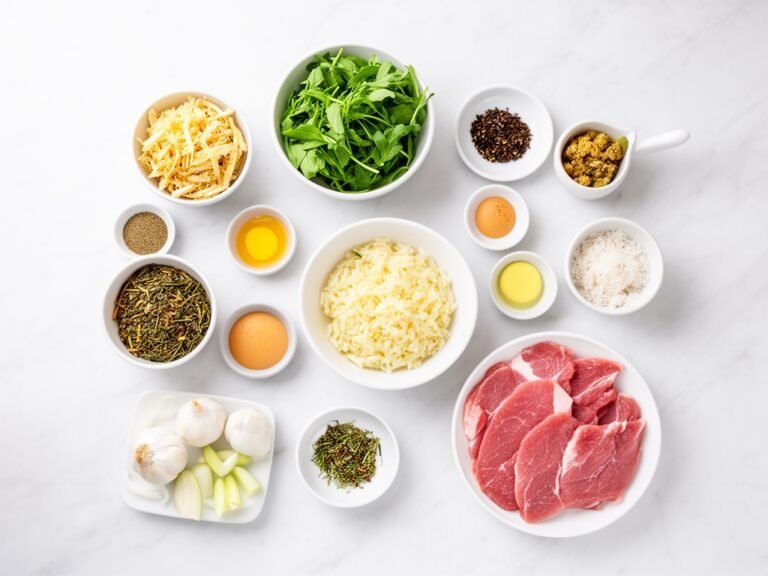
Creating perfect egg muffins starts with understanding why each ingredient matters and how they work together to create the ideal texture and flavor profile. The foundation of any successful batch relies on using fresh, high-quality eggs—they’re not just a supporting ingredient but the star of the show. When selecting your ingredients for egg muffins, focus on choosing vegetables that are fresh and finely chopped to ensure even cooking and distribution throughout each muffin. The vegetables you select should be relatively dry to prevent excess moisture that could make your finished muffins watery or soggy.
The ingredient combinations for egg muffins are wonderfully flexible, allowing you to work with whatever you have available in your kitchen while still achieving fantastic results. Dairy additions like milk or cottage cheese help create a lighter, fluffier texture, while cheese adds richness and depth of flavor. Fresh herbs and seasonings elevate the entire dish, transforming simple ingredients into something truly special. Don’t hesitate to experiment with different combinations—the beauty of this recipe is that it welcomes creativity and personal preference.
Shopping for ingredients becomes easier when you understand what works best in egg muffins. Purchase vegetables that are in season for better flavor and value, and consider buying them pre-chopped if time is limited. Eggs should be stored properly and used within a reasonable timeframe for optimal freshness. Having quality olive oil or cooking spray on hand ensures your muffins release easily from the pan and cook evenly.
Basic Egg Muffin Base:
– 10 large eggs
– 1/3 cup whole milk or half-and-half
– 1/4 teaspoon salt
– 1/4 teaspoon freshly ground black pepper
– 1/4 teaspoon onion powder
– 1/4 teaspoon garlic powder
Vegetable Additions:
– 3/4 cup finely chopped bell pepper (any color)
– 1/2 cup finely chopped tomatoes
– 1/2 cup fresh spinach, finely chopped
– 1/2 cup red onion, diced
– 3 mushrooms, thinly sliced
– 1 handful fresh spinach, sliced thinly
Cheese & Protein Options:
– 3/4 cup crumbled feta cheese
– 1/3 cup crumbled mozzarella cheese
– 1/2 cup cottage cheese (blended into base)
Optional Enhancements:
– Fresh parsley or chives for garnish
– Red pepper flakes for heat
– Grated Parmesan cheese
– Extra virgin olive oil for greasing
Substitution Notes: If you don’t have half-and-half, regular milk works perfectly fine, or you can substitute with nondairy alternatives like almond or oat milk. Cottage cheese creates a fluffier texture when blended into the egg base, while regular milk produces a denser result. Feel free to swap any vegetables based on preference—zucchini, broccoli, asparagus, and green onions all work wonderfully. For cheese lovers, try sharp cheddar, goat cheese, or Swiss cheese for different flavor profiles.
Equipment Needed
Preparing egg muffins requires minimal equipment, making this recipe accessible to anyone regardless of their kitchen setup. The most essential tool is a standard 12-cup muffin tin, which you’ll want to prepare properly to ensure easy removal of your finished muffins. A medium mixing bowl is necessary for whisking your egg mixture until well combined, and a whisk or fork works perfectly for this task. You’ll also need a measuring cup and measuring spoons for accurate ingredient proportions, which is important for consistent results batch after batch.
Additional helpful tools include a knife for chopping vegetables, a cutting board for prep work, and a measuring cup with a pour spout for distributing the egg mixture evenly into each muffin cup. Nonstick cooking spray or your preferred oil makes a significant difference in preventing sticking and ensuring your muffins release cleanly. A kitchen timer helps you keep track of baking time, and an oven thermometer ensures your oven temperature is accurate for perfectly cooked results.
Essential Equipment List:
– 12-cup muffin tin (preferably nonstick)
– Medium mixing bowl
– Whisk or fork
– Measuring cups and spoons
– Sharp knife
– Cutting board
– Nonstick cooking spray or oil
– Kitchen timer
– Oven thermometer (optional but helpful)
– Cooling rack (optional)
Prep Time & Cook Time
Preparation Time: 15 minutes
Cooking Time: 20-25 minutes
Total Time: 35-40 minutes
Servings: 12 muffins
Difficulty Level: Easy
Timing your egg muffins properly ensures you achieve the perfect texture with a fully set interior and slightly golden edges. The prep work moves quickly once you have your ingredients organized, typically taking just fifteen minutes from start to oven. Baking time varies slightly depending on your oven’s accuracy and how full you fill each cup, but twenty to twenty-five minutes is the standard range. Allow your finished muffins to cool for a few minutes in the pan before removing them, as this helps them set properly and prevents breakage. Planning ahead by prepping vegetables the night before can reduce your morning prep time significantly.
Step-by-Step Instructions for Egg Muffins
Creating delicious egg muffins follows a straightforward process that yields consistent, professional-quality results. The key to success lies in proper preparation, even distribution of ingredients, and accurate baking time. Whether you’re making your first batch or you’re a seasoned egg muffin enthusiast, following these detailed steps ensures you achieve perfect results every single time. Each step builds on the previous one, creating a logical flow that makes the entire process feel effortless and intuitive.
Step 1: Preheat Your Oven and Prepare the Muffin Pan
Begin by preheating your oven to 350°F (175°C), allowing it to reach the proper temperature before you add your muffins. While the oven heats, generously grease your 12-cup muffin tin with nonstick cooking spray or coconut oil, making sure to coat the bottom and sides of each cup thoroughly. This crucial step prevents your finished egg muffins from sticking to the pan, ensuring they release cleanly when you’re ready to remove them. Pay special attention to the corners and crevices where sticking is most likely to occur. If your muffin tin has seen better days and isn’t nonstick, consider using paper muffin liners in addition to greasing, providing extra insurance against sticking.
Step 2: Prepare and Chop Your Vegetables
While your oven preheats, prepare all your vegetables by washing and chopping them into small, uniform pieces. Finely dice your bell peppers, tomatoes, and red onion, removing any excess moisture by patting them dry with paper towels. Slice your mushrooms thinly and chop your fresh spinach into small pieces to ensure even distribution throughout your egg muffins. Uniform sizing is important because it ensures all vegetables cook at the same rate and distributes evenly throughout each muffin. Having all your vegetables prepped and ready before you begin mixing the egg mixture keeps your workflow smooth and prevents delays.
Step 3: Combine Vegetables in the Muffin Tin
Distribute your prepared vegetables evenly among the twelve muffin cups, dividing them as equally as possible to ensure each muffin has the same amount of filling. You can do this by eye or by measuring approximately two tablespoons of mixed vegetables into each cup. This step is important for consistency—each of your egg muffins should look and taste similar when finished. If you prefer vegetables concentrated in certain muffins, you can certainly do that, but even distribution creates a more professional-looking final product. Don’t pack the vegetables too tightly, as this can prevent the egg mixture from flowing around them properly.
Step 4: Whisk Your Egg Base Mixture
In a medium mixing bowl, crack all your eggs and whisk them together vigorously until the whites and yolks are completely combined. Add your milk or half-and-half, salt, pepper, onion powder, and garlic powder, whisking well to incorporate all seasonings evenly. Continue whisking until the mixture is smooth and well combined, with no visible streaks of egg white remaining. This step is crucial for creating a consistent texture throughout your egg muffins. Avoid over-mixing, as this incorporates too much air and can result in a spongy texture rather than the tender crumb you’re aiming for. Your finished egg mixture should be smooth, pale yellow, and pourable.
Step 5: Pour the Egg Mixture into Muffin Cups
Carefully pour the whisked egg mixture into each muffin cup, distributing it as evenly as possible among all twelve cups. Fill each cup approximately three-quarters full, allowing room for the muffins to rise slightly as they bake. A measuring cup with a pour spout makes this step easier and ensures more even distribution. Pour slowly and carefully to avoid splashing and to maintain control over how much mixture goes into each cup. The egg mixture should surround the vegetables and fill the majority of each cup, creating the structure that holds your egg muffins together during baking.
Step 6: Add Cheese If Desired
If you’re using cheese in your egg muffins, sprinkle approximately one tablespoon of crumbled feta, mozzarella, or your cheese of choice into each muffin cup at this point. The cheese will melt slightly during baking, adding richness and flavor to each bite. Distribute the cheese evenly among all the cups so each muffin receives an equal amount. Cheese adds wonderful flavor and helps create a more interesting texture, making your breakfast muffins feel more indulgent and satisfying. Don’t skip this step if you’re a cheese lover—it truly elevates the entire dish.
Step 7: Place in the Preheated Oven
Carefully place your filled muffin tin into the preheated 350°F oven, positioning it on the center rack for even heat distribution. Set your kitchen timer for twenty minutes, then begin checking for doneness. The muffins will puff up slightly as they bake, and you’ll notice the edges beginning to set while the centers still appear slightly wet. Your egg muffins should bake for twenty to twenty-five minutes total, depending on your oven’s accuracy and how full you filled each cup.
Step 8: Check for Doneness
At the twenty-minute mark, open your oven and gently shake the muffin tin. The edges should be set and slightly golden, while the centers should no longer look wet or jiggly. If the centers still appear quite wet, return them to the oven for another three to five minutes. You want the egg to be fully cooked through but still tender and moist—not rubbery or overcooked. The muffins will continue cooking slightly from residual heat even after you remove them from the oven, so slightly underbaking is preferable to overbaking when it comes to egg muffins.
Step 9: Remove from Oven and Cool Briefly
Once your egg muffins are cooked through and the edges are set, carefully remove the muffin tin from the oven and place it on a heat-safe surface. Allow the muffins to cool in the pan for three to five minutes before attempting to remove them. This cooling period allows the structure to set properly, making removal much easier and preventing breakage. During this time, the muffins will deflate slightly from their puffed appearance, which is completely normal and expected.
Step 10: Remove from Pan and Cool Completely
Using a small spatula or butter knife, gently loosen the edges of each muffin from the pan, then carefully lift each one out and place it on a cooling rack or clean plate. Handle them gently during this process, as they’re still warm and somewhat delicate. Allow the muffins to cool completely before storing them, as placing warm muffins directly into the refrigerator can create condensation that makes them soggy. Once cooled, your egg muffins are ready to enjoy immediately or store for later.
Nutritional Information
Spinach egg muffins and other vegetable-based variations offer outstanding nutritional benefits that make them an excellent choice for health-conscious eaters. Each muffin provides a significant amount of high-quality protein from the eggs, supporting muscle maintenance and recovery while keeping you satisfied throughout your morning. The vegetables contribute essential vitamins, minerals, and fiber, while the dairy components add calcium and additional protein. These nutrient-dense little packages deliver sustained energy without the blood sugar spikes associated with many traditional breakfast options.
The macronutrient profile of egg muffins makes them particularly valuable for anyone following a balanced nutrition plan. A typical muffin contains approximately 80-100 calories, with about 6-8 grams of protein, 3-5 grams of fat, and 2-3 grams of carbohydrates, depending on your specific ingredients. This favorable ratio supports satiety, helping you feel full and satisfied between meals. The inclusion of vegetables provides micronutrients like vitamin C, potassium, and folate, while the eggs deliver choline, which supports brain health and cognitive function.
Spinach egg muffins specifically offer additional nutritional advantages due to spinach’s exceptional nutrient density. Spinach contributes iron, calcium, magnesium, and lutein, making these variations particularly beneficial for eye health and overall wellness. The combination of eggs and spinach creates a complete nutritional package that addresses multiple dietary needs in a single serving. Whether you’re focused on weight management, athletic performance, or simply maintaining optimal health, egg muffins deliver impressive nutritional value in a convenient, delicious format.
These muffins work beautifully within various dietary approaches, from low-carb and keto plans to simple whole-food eating patterns. The absence of refined carbohydrates and added sugars means your blood sugar remains stable, supporting consistent energy levels throughout your morning. The healthy fats from eggs and cheese contribute to hormone production and nutrient absorption, while the protein supports every cell in your body. Incorporating egg muffins into your regular meal rotation is an investment in your long-term health and wellness.
Estimated Nutritional Values Per Muffin:
– Calories: 80-100
– Protein: 6-8g
– Fat: 3-5g
– Carbohydrates: 2-3g
– Fiber: 0.5-1g
– Calcium: 60-80mg
– Iron: 0.8-1.2mg
Serving Suggestions & Variations
Egg muffins shine as standalone breakfast items, but they become even more versatile when paired with complementary sides and variations. Serve them warm or at room temperature alongside fresh fruit like berries, sliced melon, or citrus segments for a balanced, colorful breakfast plate. Whole grain toast with avocado or nut butter provides additional fiber and healthy fats, creating a more substantial meal. A simple green salad with lemon vinaigrette transforms your muffins into a light lunch option, while serving them alongside roasted potatoes and sautéed greens creates a satisfying dinner.
For those who enjoy smoothie bowls, crumble your egg muffins over yogurt and granola for an unconventional but delicious combination. Pair them with fresh salsa and avocado for a Mexican-inspired breakfast, or serve alongside Greek yogurt and fresh herbs for a Mediterranean twist. The versatility of spinach egg muffins makes them particularly suitable for pairing with Mediterranean ingredients like olives, sun-dried tomatoes, and feta cheese. Create a breakfast sandwich by placing a muffin between whole grain bread with hummus and fresh vegetables for an easy grab-and-go option.
Seasonal variations keep your egg muffins exciting throughout the year. In spring, incorporate fresh asparagus, peas, and tender herbs like dill and tarragon. Summer variations might feature zucchini, corn, fresh basil, and heirloom tomatoes. Fall brings opportunities for roasted vegetables like butternut squash and caramelized onions, while winter variations can include heartier ingredients like roasted Brussels sprouts and mushrooms. These seasonal adjustments keep your meal prep interesting while taking advantage of the freshest ingredients available.
Beyond traditional oven baking, egg muffins can be prepared using alternative cooking methods for variety. Air fryer versions cook in approximately fifteen minutes at 350°F, producing similarly excellent results with a slightly different texture. Instant Pot steaming creates incredibly tender, custard-like muffins with minimal browning. Toaster oven preparation works wonderfully for smaller batches, while slow cooker methods, though unconventional, produce soft, delicate muffins perfect for those who prefer a gentler texture.
For ingredient variations, experiment with different cheese combinations like sharp cheddar, goat cheese, or Swiss cheese for distinct flavor profiles. Herb variations including fresh dill, basil, cilantro, or parsley add brightness and complexity. Spice enthusiasts can incorporate jalapeños, red pepper flakes, or smoked paprika for heat and depth. Protein additions like ground turkey or beef can be pre-cooked and incorporated for additional substance, though these remain optional for vegetarian versions.
Expert Tips & Tricks for Perfect Egg Muffins
Creating consistently perfect egg muffins becomes easier when you understand the professional techniques that experienced cooks use. These insider tips transform your results from good to exceptional, ensuring every batch turns out beautifully. Whether you’re preparing your first batch or refining your technique, these proven strategies deliver superior outcomes.
Tip 1: Prep Your Vegetables the Night Before
Preparing your vegetables in advance streamlines your morning routine and ensures your egg muffins come together quickly. Chop all vegetables, pat them dry with paper towels to remove excess moisture, and store them in airtight containers in your refrigerator. This advance preparation means you can have muffins in the oven within minutes of waking up. Dry vegetables are especially important because excess moisture can make your finished muffins watery or prevent them from setting properly. Taking this simple step makes the entire process feel effortless.
Tip 2: Use an Oven Thermometer for Accuracy
Many home ovens run hotter or cooler than their temperature settings indicate, affecting your cooking results significantly. Investing in an inexpensive oven thermometer ensures your egg muffins bake at the correct temperature, producing consistent results batch after batch. Place the thermometer in the center of your oven and check it before preheating to identify any temperature discrepancies. Adjusting your oven temperature based on actual readings rather than dial settings prevents under- or over-cooking, ensuring perfect muffins every time.
Tip 3: Don’t Overmix Your Egg Mixture
While it’s important to whisk your eggs thoroughly until combined, excessive mixing incorporates too much air, resulting in a spongy, less pleasant texture. Whisk just until the mixture is smooth and uniform, then stop. Your finished egg muffins will have a tender, custard-like crumb rather than a light, airy one—exactly what you’re aiming for. This subtle distinction makes a noticeable difference in the final product, so resist the urge to overmix.
Tip 4: Fill Muffin Cups Evenly for Uniform Cooking
Using a measuring cup or small ladle to distribute your egg mixture ensures each cup receives approximately the same amount, resulting in uniform cooking times and consistent results. Muffins filled to the same level cook evenly and finish at the same time, eliminating the need to remove some while others finish cooking. This attention to detail transforms your entire batch into professional-quality results.
Tip 5: Use Quality Nonstick Spray or Oil
The difference between muffins that release cleanly and those that stick stubbornly often comes down to how well you grease your pan. Apply nonstick spray generously, making sure to coat every surface including the bottom and sides of each cup. Quality nonstick spray creates a more reliable barrier than oil alone, though a combination of both works wonderfully. This simple step prevents frustration and ensures your beautiful muffins emerge from the pan intact.
Tip 6: Allow Muffins to Cool Before Storing
Placing warm muffins directly into storage containers creates condensation that makes them soggy and unpleasant. Always allow your egg muffins to cool completely to room temperature before refrigerating or freezing. This brief wait ensures they maintain their ideal texture and taste wonderful when you reheat them later. Patience at this step pays dividends in the quality of your finished product.
Tip 7: Double Your Batch for Maximum Efficiency
Since the preparation and baking time remain the same whether you make one batch or two, doubling your recipe makes excellent use of your time and oven space. Prepare two muffin tins simultaneously and bake them together, instantly doubling your supply of ready-to-eat breakfasts. This strategy is particularly valuable for busy weeks when you want maximum convenience.
Tip 8: Experiment with Cottage Cheese for Fluffier Muffins
Blending cottage cheese into your egg base creates a noticeably fluffier, more delicate texture compared to using milk alone. This variation works beautifully for those who prefer a lighter crumb, though it does slightly alter the flavor profile. Try this technique once to discover whether you prefer the results compared to your standard preparation.
Common Mistakes to Avoid
Understanding common pitfalls helps you avoid frustration and consistently produce excellent egg muffins. Learning from others’ experiences accelerates your mastery of this simple recipe, ensuring every batch meets your high standards.
Mistake 1: Using Wet Vegetables
Vegetables with excess moisture create soggy, watery egg muffins that fail to set properly. Always pat vegetables dry with paper towels after chopping, removing surface moisture before adding them to your muffin cups. If using particularly wet vegetables like tomatoes, consider removing some of their seeds and excess juice before chopping. This attention to moisture content ensures your muffins have the perfect texture.
Mistake 2: Overfilling the Muffin Cups
While it’s tempting to fill cups to the very top, overfilling causes the egg mixture to overflow during baking, creating a mess and resulting in poorly shaped muffins. Fill each cup only three-quarters full, leaving adequate space for the muffins to rise slightly without spilling over. This simple adjustment ensures professional-looking results and prevents oven cleanup headaches.
Mistake 3: Skipping the Cooling Period
Removing muffins from the pan while still hot causes them to break apart and fall apart. Always allow at least three to five minutes of cooling time in the pan before attempting removal. This brief wait allows the structure to set properly, ensuring your muffins maintain their shape when removed. Patience at this step prevents frustration and broken muffins.
Mistake 4: Not Greasing the Pan Adequately
Insufficient greasing causes muffins to stick stubbornly to the pan, requiring aggressive removal that damages them. Generously coat your entire muffin tin with nonstick spray, paying special attention to corners and crevices where sticking is most likely. Quality nonstick spray makes this step easier and more effective than oil alone, though combining both methods works wonderfully.
Mistake 5: Inconsistent Filling Distribution
Unevenly distributed vegetables result in some muffins being heavily vegetable-packed while others contain mostly egg. Take time to distribute vegetables as evenly as possible among all cups, ensuring each muffin contains similar amounts of filling. This attention to detail creates a more professional appearance and ensures consistent flavor in every muffin.
Mistake 6: Overcooking the Muffins
Baking egg muffins too long results in rubbery, unpleasant texture and a dry, less satisfying eating experience. Remove them from the oven as soon as the centers are set but still slightly tender. The muffins continue cooking from residual heat after removal, so slightly underbaking is preferable to overbaking. Check for doneness at the twenty-minute mark and remove promptly when ready.
Mistake 7: Using Incorrect Oven Temperature
Baking at the wrong temperature produces inconsistent results, with some muffins underbaked while others overcook. Verify your oven temperature using an oven thermometer before preheating, adjusting as needed based on actual readings. This simple step ensures your egg muffins bake evenly and consistently every single time.
Mistake 8: Storing Muffins While Still Warm
Placing warm muffins directly into storage containers creates condensation that makes them soggy and unappetizing. Always allow egg muffins to cool completely before storing in the refrigerator or freezer. This brief cooling period preserves their ideal texture and ensures they taste wonderful when reheated later.
Storage & Reheating Instructions

Proper storage extends the enjoyment of your egg muffins throughout the week, making them a practical solution for busy schedules. Cooled muffins can be stored in an airtight container in your refrigerator for up to five days, maintaining their quality and safety. Layer them carefully to prevent damage, or separate layers with parchment paper for easier access. The cold storage preserves texture and flavor while making them convenient to grab for quick breakfasts throughout your week.
For longer-term storage, freezing your egg muffins is an excellent option that extends their shelf life significantly. Place cooled muffins in a freezer-safe container or bag, separating layers with parchment paper to prevent sticking. Properly frozen muffins maintain quality for up to three months, providing an extensive supply of ready-made breakfasts. Label your container with the date to keep track of storage time and ensure freshness. Thaw frozen muffins overnight in the refrigerator before reheating, or reheat them directly from frozen using your preferred method.
Reheating methods significantly affect the final texture and eating experience of your spinach egg muffins and other variations. Microwave reheating offers the quickest method—place a muffin on a microwave-safe plate and heat for thirty to forty-five seconds until warmed through. This method is convenient but can sometimes result in slightly rubbery texture if overheated. Toaster oven reheating produces superior texture by gently warming the muffin while preserving its structure. Heat at 350°F for five to ten minutes until warmed through, checking carefully to avoid drying out.
For the best reheating results, use your conventional oven at 350°F for approximately ten minutes, allowing gentle, even heating that preserves texture beautifully. This method works wonderfully whether your muffins are thawed or frozen, though frozen muffins may require an additional five minutes. Air fryer reheating at 350°F for five to seven minutes produces excellent results with a slightly crispy exterior and tender interior. Regardless of your chosen method, avoid overheating, which dries out your muffins and diminishes their appeal. Properly stored and reheated egg muffins taste nearly as fresh as the day you made them.
Conclusion
Egg muffins represent a game-changing approach to breakfast preparation that deserves a permanent place in your cooking rotation. These versatile, nutritious little powerhouses deliver exceptional value in terms of convenience, nutrition, and flavor, making them an ideal choice for anyone serious about maintaining healthy eating habits. Whether you’re a busy professional, an athletic individual, or simply someone who appreciates delicious, wholesome food, egg muffins offer the perfect solution to breakfast challenges.
The beauty of this recipe lies in its remarkable flexibility and simplicity, allowing endless customization while maintaining consistent, excellent results. From spinach egg muffins packed with nutrient-dense greens to cheese-laden variations bursting with flavor, you’ll never grow tired of the possibilities. Your investment of minimal time and effort yields days’ worth of satisfying, nutritious breakfasts that support your health goals and simplify your mornings. Start preparing your first batch today and discover why home cooks everywhere have embraced this simple yet transformative recipe as an essential part of their meal-planning strategy.
Frequently Asked Questions
Q: Can I make egg muffins without a muffin tin?
A: While a muffin tin is ideal for creating uniform shapes, you can adapt this recipe using alternative methods. Ramekins, small oven-safe bowls, or even a loaf pan work, though cooking times may vary slightly depending on the container size and depth. Adjust your oven time accordingly, checking for doneness at the twenty-minute mark. The shape won’t be as uniform, but the flavor and nutrition of your egg-based breakfast remain excellent. For best results, choose containers of similar size to ensure even cooking.
Q: How long do egg muffins last in the refrigerator?
A: Properly stored egg muffins maintain quality for up to five days when kept in an airtight container in your refrigerator. Store them on a shelf rather than the door, where temperature fluctuations are greater. Always ensure muffins are completely cooled before storing to prevent condensation and sogginess. If you notice any off odors or unusual appearance, discard them immediately. Proper storage practices ensure food safety while maximizing the convenience of your prepared breakfast.
Q: Can I freeze egg muffins, and for how long?
A: Freezing is an excellent storage method that extends the shelf life of your egg muffins significantly. Properly frozen muffins maintain quality for up to three months, providing an extensive supply of ready-made breakfasts. Place cooled muffins in freezer-safe containers or bags, separating layers with parchment paper to prevent sticking. Label your container with the preparation date to track storage time. Thaw overnight in the refrigerator before reheating, or reheat directly from frozen using your preferred method.
Q: What vegetables work best in egg muffins?
A: Nearly any vegetable works wonderfully in egg muffins, though vegetables with lower moisture content produce the best results. Bell peppers, mushrooms, spinach, tomatoes, onions, broccoli, asparagus, and zucchini all perform excellently. Avoid vegetables with very high water content like cucumbers or watery tomatoes unless you remove excess moisture first. Pre-cooking harder vegetables like broccoli or asparagus ensures they cook completely during the baking time. Experiment with different combinations to discover your favorite flavor profiles.
Q: Can I make egg muffins ahead of time and freeze them?
A: Absolutely! Preparing large batches and freezing them is one of the greatest advantages of egg muffins as a meal-prep solution. Cool completely, then freeze in airtight containers or freezer bags for up to three months. This strategy provides weeks’ worth of ready-made breakfasts, making busy mornings significantly easier. Simply thaw overnight or reheat directly from frozen depending on your schedule.
Q: Can I add meat to egg muffins?
A: Yes, egg muffins can include cooked meat for additional protein and flavor. Finely chop or crumble cooked chicken, beef, or lamb, then distribute it evenly among the muffin cups before pouring in the egg mixture. Ensure any meat is cooked and cooled before adding to prevent food safety issues. Pre-cooking meat allows you to control seasoning and ensures it’s fully cooked throughout the baking process.
Q: How can I make egg muffins fluffier?
A: Blending cottage cheese into your egg base creates a noticeably fluffier texture compared to using milk alone. Replace some or all of the milk with cottage cheese, blending it smoothly into the egg mixture before distributing into muffin cups. This variation produces lighter, more delicate muffins that some people prefer. Experiment with different ratios to discover your ideal texture preference.
Q: Can I reheat egg muffins in the microwave?
A: Yes, microwave reheating is the quickest method for warming egg muffins. Place a muffin on a microwave-safe plate and heat for thirty to forty-five seconds until warmed through. Be careful not to overheat, as this can result in rubbery texture. For better results, use your toaster oven or conventional oven, which produce superior texture while still being relatively quick. The slightly longer cooking time produces noticeably better eating experience.
Q: Can I modify the recipe for specific dietary needs?
A: Egg muffins adapt wonderfully to various dietary preferences and restrictions. Use nondairy milk alternatives for dairy-free versions, omit cheese for those avoiding dairy, or increase vegetable content for additional fiber. The basic egg structure remains constant, allowing endless modifications based on individual needs. Experiment with different ingredient combinations to create versions that align perfectly with your dietary goals.