There’s nothing quite like waking up to the aroma of fresh waffles cooking on a hot iron, is there? If you’ve been searching for the best waffle recipes that deliver crispy exteriors with fluffy, tender interiors every single time, you’ve found your answer. Whether you’re a breakfast enthusiast or someone who wants to impress family and friends with homemade goodness, mastering the art of making waffles is one of the most rewarding kitchen skills you can develop.
Table of Contents
What makes the perfect waffle recipe so special is its simplicity combined with the incredible results it produces. Unlike complicated breakfast dishes that require advanced techniques or hard-to-find ingredients, waffle recipes rely on basic pantry staples that most home cooks already have on hand. The magic happens in understanding the right proportions, the proper mixing technique, and the ideal cooking temperature. When you nail these fundamentals, you’ll create waffles that rival any breakfast restaurant.
The beauty of waffle recipes lies in their versatility. You can serve them sweet with maple syrup, fresh berries, and whipped cream, or explore savory waffle recipes topped with fried chicken, cheese, or herb-infused sauces. This adaptability makes waffle recipes perfect for any meal—breakfast, brunch, lunch, or even a casual dinner. Once you master the basic waffle recipes technique, you’ll find yourself making them weekly, experimenting with different toppings and flavor combinations.
The journey to creating the best waffle recipes at home starts with understanding your ingredients and equipment. I’m thrilled to share my comprehensive guide to waffle recipes that will transform your kitchen into a breakfast destination. This article covers everything from ingredient selection to expert tips that professional chefs use. By the time you finish reading, you’ll have all the knowledge needed to create restaurant-quality waffles in your own kitchen.
Ingredients for Homemade Waffle Recipes
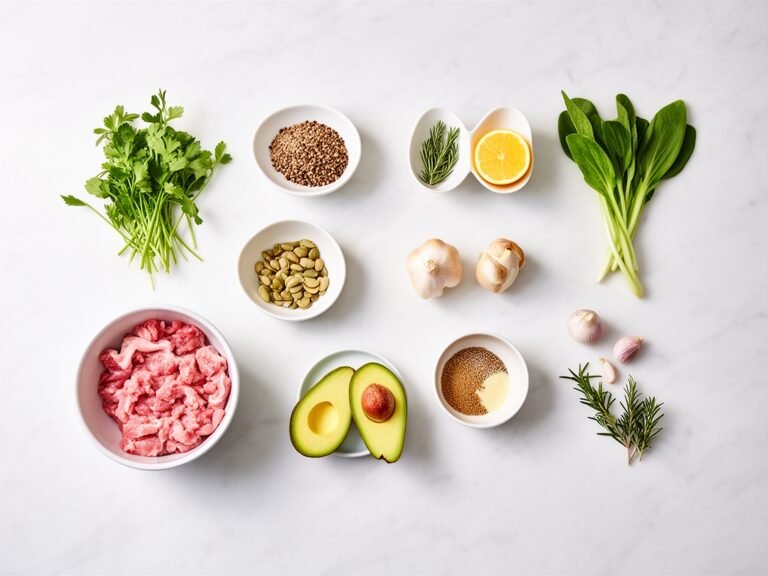
Creating exceptional waffle recipes starts with selecting the right ingredients and understanding how each component contributes to your final result. The foundation of any great waffle recipes begins with quality all-purpose flour, which provides the structure and texture you need. Unlike pancake recipes that benefit from a thinner batter, waffle recipes require ingredients that create a thicker consistency, allowing the iron to create those beautiful, crispy edges while maintaining a tender interior.
The liquid components in waffle recipes are equally important as the dry ingredients. Full-fat milk produces noticeably better results than lower-fat alternatives because it contributes richness and prevents the interior from drying out. When preparing waffle recipes, slightly warming your milk before mixing helps it combine more smoothly with other ingredients and prevents the butter from solidifying when it meets cold liquid. Room-temperature eggs also make a significant difference in waffle recipes, as they incorporate more evenly and create a lighter, fluffier texture throughout your finished waffles.
Butter is the secret ingredient that elevates simple waffle recipes into something truly special. Melted unsalted butter provides moisture, richness, and that golden-brown color that makes waffles irresistible. When making waffle recipes, always melt your butter and let it cool slightly before adding it to your batter. This prevents the heat from cooking the eggs prematurely and ensures even distribution throughout your mixture. The baking powder in waffle recipes acts as the leavening agent, creating the rise and airy texture that distinguishes excellent waffles from dense, flat ones.
Complete Ingredient List for Classic Waffle Recipes
– 2¼ cups all-purpose flour
– ¼ cup granulated sugar
– 1 tablespoon baking powder
– ¾ teaspoon salt
– 2 cups whole milk or 2% milk
– ½ cup unsalted butter, melted and slightly cooled
– 2 large eggs, preferably room temperature
– 2 teaspoons vanilla extract
– Cooking spray or additional butter for the waffle iron
Ingredient Substitutions and Shopping Tips
When you can’t find exact ingredients for your waffle recipes, several substitutions work beautifully. If you only have salted butter on hand, reduce the added salt in your waffle recipes to ½ teaspoon to prevent over-salting. For those making waffle recipes without dairy, substitute milk with almond milk, oat milk, or coconut milk, though the texture may be slightly different. Some bakers enjoy adding whole wheat flour to their waffle recipes, using a ratio of one part whole wheat to three parts all-purpose flour for added nutrition without compromising texture.
When shopping for ingredients specifically for waffle recipes, purchase the freshest eggs available and check your baking powder expiration date. Old baking powder significantly impacts the rise in waffle recipes, resulting in dense, disappointing results. Look for pure vanilla extract rather than imitation, as it provides superior flavor to waffle recipes. Quality matters when selecting butter for waffle recipes—European-style butter with higher fat content creates even richer, more indulgent waffles than standard American butter.
Equipment Needed
Making excellent waffle recipes requires specific kitchen equipment that ensures consistent, professional results every time you cook. The most essential tool is a quality waffle iron, which comes in various styles including Belgian waffle makers, classic square makers, and heart-shaped options. Your choice of waffle iron directly impacts the texture and appearance of waffle recipes you create. A good waffle iron heats evenly, has adjustable temperature settings, and produces waffles with crispy exteriors and fluffy interiors, which is the hallmark of successful waffle recipes.
Beyond the waffle iron, you’ll need standard mixing bowls, measuring cups, measuring spoons, and whisks to properly prepare waffle recipes. A hand mixer or stand mixer helps incorporate air into your eggs, creating lighter, fluffier waffle recipes. Have a spatula ready for transferring finished waffles from the iron to serving plates. A kitchen thermometer helps ensure your milk reaches the proper temperature for optimal waffle recipes. These tools work together to simplify the process of making waffle recipes and ensure consistent, delicious results.
Equipment Checklist
– Waffle iron with temperature control
– Two large mixing bowls
– Medium mixing bowl
– Wire whisk
– Hand mixer or stand mixer
– Measuring cups and spoons
– Rubber spatula
– Cooking spray or pastry brush
– Kitchen thermometer
– Cooling rack (optional but helpful)
Prep Time & Cook Time
Prep Time: 10 minutes | Cook Time: 15-20 minutes | Total Time: 25-30 minutes | Servings: 8-10 waffles | Difficulty Level: Easy
When making waffle recipes, proper timing ensures you serve them at peak freshness and texture. The preparation phase for waffle recipes involves gathering ingredients, measuring them accurately, and mixing the batter, which typically takes about ten minutes. Actual cooking time for waffle recipes depends on your specific waffle iron model and heat settings, but most individual waffles cook in about two to three minutes. Planning ahead when making waffle recipes allows you to have everything ready before guests arrive, making the cooking process smooth and stress-free.
Step-by-Step Instructions for Perfect Waffle Recipes
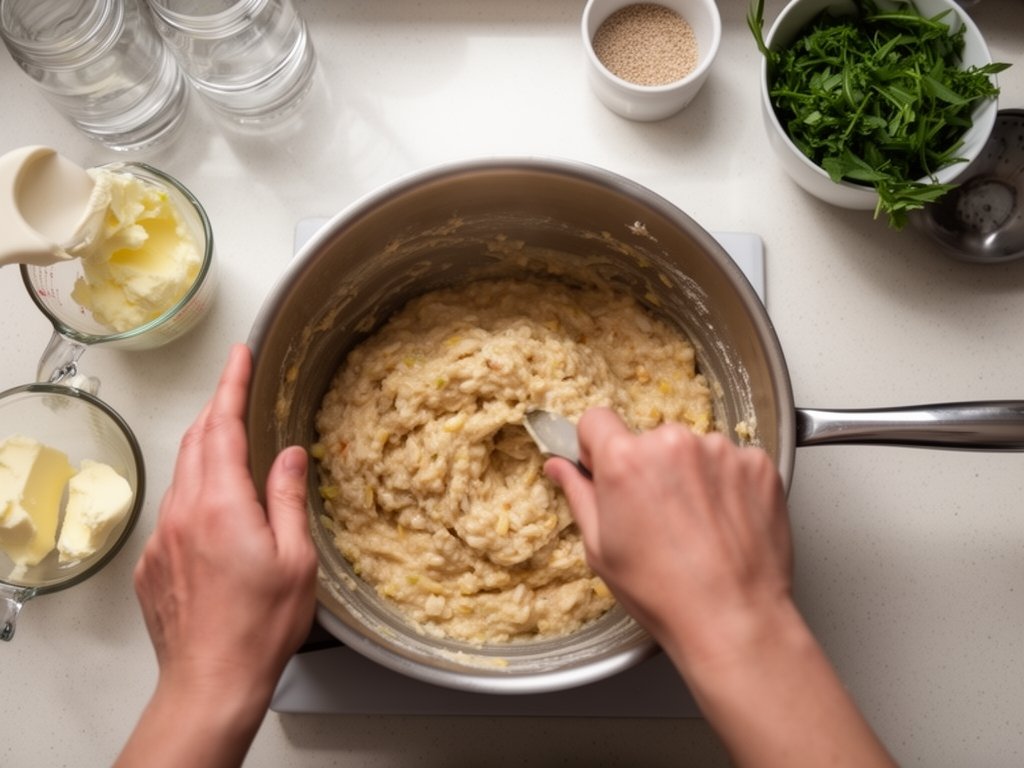
Creating exceptional waffle recipes follows a straightforward process that yields impressive results when you pay attention to each step. The key to mastering waffle recipes is understanding that the mixing method directly impacts your final texture. Unlike some recipes where thorough mixing is essential, waffle recipes benefit from a gentle touch during the final combination of wet and dry ingredients. Over-mixing develops gluten, which makes waffle recipes tough and chewy instead of tender and light. Follow these detailed steps to create waffle recipes that impress everyone at your table.
The foundation of great waffle recipes begins with proper preparation and organization. Having all your ingredients measured and ready before you start mixing is called mise en place, and it’s a professional technique that makes waffle recipes easier to execute. When you’re organized, you won’t forget ingredients, and you’ll maintain better control over the mixing process. This approach to making waffle recipes reduces stress and increases your success rate significantly. Now let’s walk through each step of creating perfect waffle recipes.
Step 1: Preheat Your Waffle Iron
Begin your waffle recipes journey by plugging in your waffle iron and setting it to the desired temperature. Most waffle recipes cook best at medium-high heat, though some irons have specific settings for waffles. Allow the iron to heat for at least five minutes, ensuring it reaches optimal temperature before you add any batter. A properly heated iron creates the signature crispy exterior that distinguishes excellent waffle recipes. If your iron has a ready indicator light, wait until it signals that the cooking surface has reached full temperature. This step is crucial for successful waffle recipes because cold or insufficiently heated irons produce soggy, undercooked waffles.
Step 2: Prepare Your Dry Ingredients
In a large mixing bowl, combine your flour, sugar, baking powder, and salt, whisking them together thoroughly. This step for waffle recipes ensures even distribution of the leavening agent, which is essential for consistent rise and texture. Whisking the dry ingredients for waffle recipes prevents lumps and incorporates air into the flour. Take your time with this step—rushing through the dry ingredient preparation compromises the quality of your waffle recipes. Make sure you haven’t missed any lumps of baking powder hiding in the flour, as these create uneven pockets in waffle recipes.
Step 3: Warm Your Milk Slightly
Heat your milk in the microwave for about thirty seconds or on the stovetop until it’s warm but not hot. This step in waffle recipes is important because cold milk straight from the refrigerator can cool down your batter and cause the melted butter to solidify into small lumps. Properly warmed milk in waffle recipes ensures smooth, lump-free batter. The ideal temperature is around one hundred ten degrees Fahrenheit, which feels warm to the touch but won’t cook the eggs when combined. This attention to detail in waffle recipes makes a noticeable difference in your final product’s texture and consistency.
Step 4: Combine Wet Ingredients
In a separate medium bowl, whisk together your warmed milk, eggs, and vanilla extract until well combined. This step for waffle recipes incorporates air into the eggs, creating a lighter batter. If you have time, beat the eggs for about one minute until they become pale and slightly foamy—this technique elevates your waffle recipes by creating extra lightness. The vanilla extract in waffle recipes adds aromatic flavor that enhances the overall taste experience. Whisking these ingredients thoroughly ensures even distribution of flavoring throughout all your waffle recipes.
Step 5: Add Melted Butter to Wet Ingredients
Pour your slightly cooled melted butter into the wet ingredient mixture and whisk until completely incorporated. This step in waffle recipes requires a gentle hand to avoid creating lumps. The butter should distribute evenly throughout the wet ingredients before you combine everything with the dry mixture. This careful approach to waffle recipes prevents pockets of unincorporated butter that would create uneven texture. Make sure your butter has cooled enough that it won’t scramble the eggs but is still warm enough to mix smoothly into waffle recipes.
Step 6: Combine Wet and Dry Ingredients
Pour the wet ingredient mixture into the bowl with your dry ingredients and whisk gently until just combined. This critical step for waffle recipes requires restraint—stop whisking as soon as you see no more flour streaks. Small lumps in waffle recipes are perfectly fine and will cook out; over-mixing creates tough, dense waffles. The batter for waffle recipes should be thicker than pancake batter but pourable, with a consistency similar to thick cake batter. This texture is what creates the perfect balance in waffle recipes between crispy exteriors and tender interiors.
Step 7: Let Batter Rest
Allow your waffle recipes batter to rest for five minutes before cooking. This resting period allows the flour to fully hydrate and helps the leavening agents begin their work, resulting in lighter waffle recipes. The resting step in waffle recipes also allows any remaining lumps to dissolve naturally. Don’t skip this step when making waffle recipes, as it significantly impacts the final texture. Use this time to set up your serving station with toppings and plates.
Step 8: Prepare the Waffle Iron
Lightly spray your preheated waffle iron with cooking spray or brush it with a small amount of melted butter. This step in waffle recipes ensures your finished waffles release easily without sticking. Even non-stick irons benefit from this preparation step in waffle recipes. Proper iron preparation makes the difference between beautiful, intact waffles and ones that tear or stick. Do this step just before adding batter to waffle recipes so the coating is fresh and effective.
Step 9: Pour Batter into the Iron
Pour enough batter to just cover the surface of your waffle iron, following your specific iron’s instructions. For most waffle recipes, this is typically about three-quarters to one cup of batter, depending on your iron’s size. Don’t overfill—excess batter in waffle recipes spills out the sides and creates a mess. Underfilling results in thin, crispy waffles rather than the fluffy waffle recipes you’re aiming for. Close the lid gently and let the iron do its work without opening it prematurely.
Step 10: Cook Until Golden Brown
Allow your waffle recipes to cook until they’re golden brown and crispy, typically three to five minutes depending on your iron. Most modern waffle irons have indicator lights that signal when waffles are done. For waffle recipes, resist the urge to open the iron before the indicator light comes on, as this releases steam and affects texture. The exterior should be deeply golden and crispy while the interior remains tender—this is the signature of excellent waffle recipes. Cooking time varies between machines, so you’ll develop a feel for your specific iron after making a few batches of waffle recipes.
Step 11: Remove and Cool Slightly
Using a heat-safe spatula, carefully remove your finished waffle recipes from the iron and place them on a cooling rack or serving plate. The exterior will be very hot, so handle carefully when removing waffle recipes. If you’re making multiple batches of waffle recipes, a cooling rack prevents steam from making them soggy. If you prefer your waffle recipes served immediately, they’re ready to top right away. For waffle recipes that will be frozen or stored, cooling them completely prevents condensation.
Step 12: Repeat the Process
Continue making waffle recipes by cooking the remaining batter in batches, maintaining your iron’s temperature between each batch. This consistency in temperature is crucial for uniform waffle recipes throughout all your batches. If you notice your later batches of waffle recipes aren’t cooking as quickly, your iron may need a moment to reheat between waffles. Keep finished waffle recipes warm by placing them in a two-hundred-degree oven while you cook the remaining batter. This ensures all your waffle recipes are served warm and fresh.
Nutritional Information
Homemade waffle recipes offer more nutritional value than many commercial frozen versions because you control every ingredient. Each serving of these waffle recipes contains approximately two hundred thirty calories, making them a reasonable breakfast option when paired with nutritious toppings. The protein content in waffle recipes comes primarily from eggs and milk, providing about six grams per serving. Carbohydrates in waffle recipes come from flour and sugar, giving you the energy you need to start your day. The healthy fats from butter and eggs in waffle recipes support nutrient absorption and provide satiety.
These waffle recipes contain important vitamins and minerals that contribute to a balanced breakfast. The eggs in waffle recipes provide choline, which supports brain health and cognitive function. Milk in waffle recipes contributes calcium and vitamin D, essential for bone health. B vitamins from the flour in waffle recipes help convert food into energy efficiently. The combination of nutrients in waffle recipes makes them more than just an indulgent treat—they’re actually a reasonably nutritious breakfast choice when you consider portion sizes and toppings.
When making waffle recipes, you can boost their nutritional profile by adding ingredients to the batter. Substituting a portion of all-purpose flour with whole wheat flour increases fiber content in waffle recipes. Adding mashed banana or applesauce to waffle recipes reduces the amount of added sugar needed while increasing natural sweetness and nutrients. Ground flaxseed stirred into waffle recipes adds omega-3 fatty acids and additional fiber. These modifications allow you to customize waffle recipes to match your nutritional goals while maintaining excellent taste and texture.
Estimated Nutritional Values Per Serving
– Calories: 230
– Protein: 6g
– Carbohydrates: 28g
– Fat: 10g
– Fiber: 1g
– Calcium: 120mg
– Iron: 1.5mg
– Sodium: 280mg
Serving Suggestions & Variations
The versatility of waffle recipes means you can create entirely different experiences simply by changing your toppings and accompaniments. Classic sweet waffle recipes taste divine topped with pure maple syrup, melting butter, and fresh whipped cream. Fresh berries—strawberries, blueberries, raspberries, or blackberries—add tartness and nutrition to waffle recipes. For chocolate-loving waffle recipes enthusiasts, drizzle warm chocolate sauce over your waffles and top with crushed nuts and whipped cream. These traditional toppings for waffle recipes never go out of style and appeal to virtually everyone.
Beyond classic presentations, waffle recipes can be served with creative fruit combinations that celebrate seasonal produce. In summer, top your waffle recipes with fresh peaches, whipped cream, and a drizzle of honey for a light, refreshing breakfast. Fall waffle recipes shine when topped with spiced apples, cinnamon whipped cream, and a sprinkle of toasted pecans. Winter waffle recipes pair beautifully with poached pears, chocolate sauce, and candied ginger. Spring waffle recipes celebrate fresh flavors with strawberries, whipped mascarpone, and fresh mint. These seasonal variations keep waffle recipes exciting throughout the year.
Savory interpretations of waffle recipes open entirely new possibilities for this versatile dish. Top your waffle recipes with crispy fried chicken, cheddar cheese sauce, and fresh chives for a breakfast that feels like dinner. Herb-infused waffle recipes topped with sautéed mushrooms, caramelized onions, and a fried egg create an elegant brunch dish. Mediterranean waffle recipes topped with hummus, roasted vegetables, feta cheese, and fresh herbs offer a healthy lunch option. These savory waffle recipes prove that waffles aren’t limited to breakfast or dessert—they’re a blank canvas for culinary creativity.
Waffle recipes can be elevated with unexpected flavor combinations that impress guests and excite your palate. Lemon-glazed waffle recipes topped with fresh blueberries and lemon curd create a bright, sophisticated breakfast. Eggnog waffle recipes made during the holiday season and topped with cinnamon whipped cream and nutmeg feel festive and special. Pumpkin spice waffle recipes with maple cream cheese frosting and candied pecans celebrate fall flavors. Chocolate chip waffle recipes with crushed candy canes and peppermint whipped cream offer a fun holiday twist. These creative variations on waffle recipes show how adaptable this basic recipe truly is.
Expert Tips & Tricks for Perfect Waffle Recipes
Mastering waffle recipes requires understanding the techniques that separate good results from exceptional ones. Professional bakers and experienced home cooks have developed strategies that elevate waffle recipes from simple to spectacular. These expert tips for waffle recipes come from years of kitchen experience and scientific understanding of how ingredients interact during cooking. Implementing these techniques will transform your waffle recipes and help you troubleshoot problems when they arise. Let’s explore the professional secrets that make waffle recipes truly outstanding.
Tip 1: Separate Your Eggs for Extra Fluffy Waffle Recipes
For the fluffiest waffle recipes possible, try separating your eggs and whisking the whites to stiff peaks. Beat the egg yolks with your wet ingredients as usual, then gently fold the beaten whites into your batter just before cooking. This technique for waffle recipes incorporates maximum air, creating incredibly light and airy results. The protein in egg whites creates structure that holds air bubbles throughout your waffle recipes, resulting in a cloud-like texture. This advanced technique takes your waffle recipes from good to restaurant-quality in terms of texture and presentation.
Tip 2: Use Buttermilk for Tangier Waffle Recipes
Substitute half of your milk with buttermilk to create waffle recipes with a subtle tang and enhanced flavor complexity. Buttermilk in waffle recipes reacts with baking soda, creating additional lift and tenderness. This substitution works beautifully in waffle recipes and requires reducing your baking powder slightly to prevent over-rising. The slight tang in buttermilk-based waffle recipes complements both sweet and savory toppings exceptionally well. This variation on traditional waffle recipes is worth trying if you enjoy more complex flavors.
Tip 3: Add a Tablespoon of Cornstarch for Crispier Waffle Recipes
Incorporate one tablespoon of cornstarch into your dry ingredients when making waffle recipes for exceptionally crispy exteriors. Cornstarch in waffle recipes creates a delicate, shatteringly crisp crust while maintaining a tender interior. This ingredient works particularly well in waffle recipes because it doesn’t develop gluten the way flour does. The result is waffle recipes with superior texture contrast that feels luxurious and satisfying. This simple addition transforms standard waffle recipes into something special.
Tip 4: Let Batter Rest Overnight for Enhanced Flavor in Waffle Recipes
Prepare your waffle recipes batter the night before and refrigerate it in an airtight container. Overnight resting develops flavor in waffle recipes as ingredients meld together and the flour fully hydrates. When you’re ready to cook your waffle recipes the next morning, let the batter come to room temperature for about thirty minutes. This make-ahead approach to waffle recipes simplifies your morning routine while delivering superior taste. The convenience factor combined with improved flavor makes this technique ideal for busy families who love waffle recipes.
Tip 5: Brush Your Iron with Clarified Butter for Superior Results in Waffle Recipes
Instead of cooking spray, brush your waffle iron with clarified butter (ghee) for waffle recipes with richer flavor and superior browning. Clarified butter doesn’t contain milk solids that can burn, making it ideal for the high heat required in waffle recipes. The butter flavor imparts a subtle richness that elevates your waffle recipes beyond basic versions. This technique requires a bit more effort than spray, but the results in your waffle recipes justify the extra step. Your waffle recipes will have a golden-brown exterior and subtle butter flavor throughout.
Tip 6: Add Vanilla Paste Instead of Extract to Waffle Recipes
Upgrade your waffle recipes by using vanilla paste instead of vanilla extract for more intense vanilla flavor. Vanilla paste contains actual vanilla bean specks, which add visual appeal and superior flavor to waffle recipes. The concentrated vanilla flavor in paste means you can use less liquid in your waffle recipes while achieving more flavor. This substitution particularly enhances waffle recipes when you’re not using other strong flavorings. Your waffle recipes will taste noticeably more refined and sophisticated with this simple upgrade.
Tip 7: Maintain Consistent Iron Temperature Throughout Your Waffle Recipes
Keep your waffle iron at a consistent temperature throughout your cooking session to ensure uniform waffle recipes. If you notice later batches of waffle recipes cooking faster or slower, your iron temperature may be fluctuating. Allow a few extra seconds between batches for your iron to reheat fully before adding more batter to your waffle recipes. This attention to temperature consistency ensures all your waffle recipes have the same beautiful golden-brown color and texture. Uniform results make your waffle recipes look intentional and professional.
Tip 8: Use Room Temperature Ingredients for Better-Textured Waffle Recipes
Taking time to bring eggs and milk to room temperature before making waffle recipes improves the final texture significantly. Room temperature ingredients combine more smoothly, creating more uniform waffle recipes without lumps or uneven cooking. Cold ingredients in waffle recipes can cause the butter to solidify into small particles, affecting texture negatively. This simple preparation step requires minimal effort but yields noticeably better waffle recipes. Plan ahead by removing ingredients from the refrigerator fifteen minutes before you start making waffle recipes.
Common Mistakes to Avoid When Making Waffle Recipes
Understanding common pitfalls helps you create consistently excellent waffle recipes while avoiding frustration. Even experienced cooks occasionally make mistakes when preparing waffle recipes, but knowing what to watch for prevents most problems. These common errors in waffle recipes are easily corrected once you understand why they occur. Learning from others’ mistakes with waffle recipes accelerates your path to mastery. Let’s examine the most frequent problems people encounter when making waffle recipes and how to solve them.
Mistake 1: Over-Mixing Your Waffle Recipes Batter
Over-mixing is the most common error that ruins waffle recipes by creating tough, dense texture instead of light and fluffy. When you over-mix waffle recipes, you develop gluten in the flour, which creates a chewy, undesirable texture. The solution for perfect waffle recipes is to whisk just until you see no more flour streaks, leaving small lumps in the batter. These lumps in waffle recipes will cook out and actually contribute to a more tender crumb. Train yourself to stop mixing waffle recipes earlier than feels natural—your results will improve dramatically.
Mistake 2: Using Cold Ingredients in Your Waffle Recipes
Cold milk and eggs straight from the refrigerator compromise the texture of waffle recipes by creating uneven mixing and temperature issues. When you add cold ingredients to waffle recipes, the melted butter can solidify into small particles that don’t distribute evenly. The solution is warming your milk slightly and using room temperature eggs for waffle recipes. This simple preparation step prevents temperature-related issues in waffle recipes and creates more uniform results. Your waffle recipes will have better texture and more consistent cooking when you use properly tempered ingredients.
Mistake 3: Overfilling Your Waffle Iron with Batter
Overfilling the waffle iron with too much batter causes messy overflow that ruins your waffle recipes and makes cleanup difficult. When you overfill waffle recipes, excess batter spills out the sides and creates burnt edges that taste unpleasant. The solution is using just enough batter to cover the surface of waffle recipes—typically about three-quarters to one cup depending on your iron’s size. Slightly underfilled waffle recipes are better than overfilled ones, as they cook more evenly and look more professional. Learn your specific iron’s capacity to ensure perfect waffle recipes every time.
Mistake 4: Opening the Waffle Iron Too Early
Peeking inside your waffle iron before your waffle recipes are fully cooked releases steam and disrupts the cooking process. Opening the iron too early in the cooking process causes incomplete waffle recipes that tear when you try to remove them. The solution is waiting for your iron’s indicator light to signal that your waffle recipes are done, or waiting until steam stops coming from the edges. This patience with waffle recipes ensures they cook completely and release easily from the iron. Resist the urge to check on your waffle recipes until they’re fully cooked.
Mistake 5: Not Preheating Your Waffle Iron Properly
Starting to cook waffle recipes in an insufficiently heated iron results in soggy, undercooked waffles that stick to the cooking surface. Proper preheating for waffle recipes takes five to ten minutes, depending on your specific iron model. The solution is allowing your iron to heat completely before adding any batter to your waffle recipes. A properly heated iron creates the signature crispy exterior that distinguishes excellent waffle recipes. Set your iron heating while you prepare your batter so everything is ready simultaneously for your waffle recipes.
Mistake 6: Using Old Baking Powder in Your Waffle Recipes
Expired baking powder loses its leavening power, resulting in flat, dense waffle recipes that disappoint. When baking powder in waffle recipes is old or improperly stored, it can’t create the rise needed for light, fluffy texture. The solution is checking your baking powder’s expiration date before making waffle recipes and replacing it if it’s expired. Store your baking powder in a cool, dry place to maintain its potency for your waffle recipes. This simple check prevents failed batches of waffle recipes and ensures consistent results.
Mistake 7: Skipping the Resting Period for Your Waffle Recipes Batter
Rushing to cook waffle recipes immediately after mixing prevents the batter from hydrating fully and developing proper texture. The five-minute resting period for waffle recipes allows flour to absorb liquid and leavening agents to begin working. Skipping this step in waffle recipes results in denser, less fluffy waffles with less developed flavor. The solution is simply waiting the recommended time before cooking your waffle recipes—this brief pause significantly improves results. This easy step requires no effort but yields noticeably better waffle recipes.
Storage & Reheating Instructions
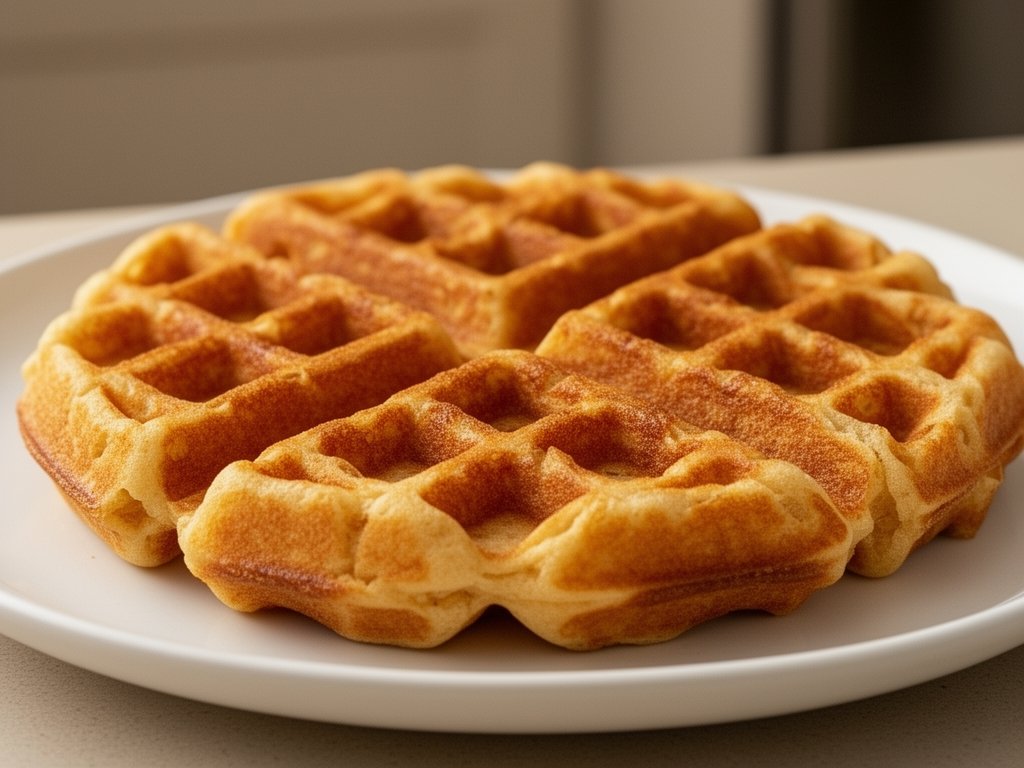
Properly storing your waffle recipes extends their life and allows you to enjoy them throughout the week without sacrificing quality. Fresh waffle recipes can be refrigerated for up to five days when stored correctly in airtight containers. Cool your waffle recipes completely before storing them to prevent condensation that makes them soggy. Layer your cooled waffle recipes with parchment paper to prevent them from sticking together during storage. This simple storage method for waffle recipes keeps them fresh and ready for quick reheating whenever you want them.
Freezing waffle recipes is an excellent strategy for meal prep, allowing you to have homemade breakfast ready in minutes. Freeze your waffle recipes by placing cooled waffles on a baking sheet and freezing them until solid, then transferring them to freezer bags. Properly frozen waffle recipes maintain quality for up to three months in the freezer. Label your containers with the date so you know how long your frozen waffle recipes have been stored. This freezer-friendly approach to waffle recipes makes them perfect for busy mornings when you don’t have time to cook from scratch.
Reheating waffle recipes properly restores their crispy exterior and warm interior without drying them out. For the best results with waffle recipes, reheat them in a toaster oven at three hundred fifty degrees for about five minutes. A regular toaster works well for reheating waffle recipes if your toaster has a waffle setting. Microwave reheating of waffle recipes is quickest but results in softer, less crispy waffles. For waffle recipes stored in the freezer, add an extra minute to the reheating time to ensure they’re heated through completely. Avoid microwaving waffle recipes if you want to maintain their crispy texture.
Conclusion
Creating perfect waffle recipes at home is easier than you might think, and the results far exceed what you can buy frozen. These waffle recipes deliver crispy exteriors, fluffy interiors, and delicious flavor that will make you a breakfast hero in your household. The beauty of mastering waffle recipes lies in their simplicity combined with impressive results that look and taste restaurant-quality. Once you’ve made a batch of these waffle recipes, you’ll understand why so many people consider them their favorite breakfast dish.
The investment in learning to make waffle recipes pays dividends every time you serve them to family and friends. Whether you’re making classic sweet waffle recipes or exploring savory variations, you now have the knowledge and techniques to succeed. The tips, tricks, and troubleshooting advice in this guide ensure you’ll create excellent waffle recipes consistently. Start making these waffle recipes this weekend and discover why homemade versions are so superior to store-bought alternatives.
Frequently Asked Questions About Waffle Recipes
Can I make waffle recipes without eggs?
Yes, you can make waffle recipes without eggs by using substitutes like applesauce, mashed banana, or commercial egg replacer. Each substitute in waffle recipes affects texture differently—applesauce creates denser waffles while banana adds sweetness. For best results in egg-free waffle recipes, use one-quarter cup of applesauce or mashed banana per egg. Egg-free waffle recipes may require slightly longer cooking time and won’t rise quite as high as traditional versions. Experiment with different substitutes to find which works best for your waffle recipes preferences.
How can I make waffle recipes more crispy?
To make crispier waffle recipes, add one tablespoon of cornstarch to your dry ingredients and use clarified butter to grease your iron. Cooking your waffle recipes at higher temperatures also creates crispier exteriors, though you must monitor carefully to prevent burning. Some bakers add a tablespoon of vodka to their waffle recipes, which evaporates during cooking and creates extra crispiness. Ensure your waffle iron is properly preheated and maintain consistent temperature throughout your cooking session for uniformly crispy waffle recipes.
Can waffle recipes be made ahead of time?
Absolutely—you can prepare waffle recipes batter up to twenty-four hours in advance by refrigerating it in an airtight container. Overnight resting actually improves the flavor and texture of your waffle recipes. When ready to cook, let your waffle recipes batter come to room temperature for about thirty minutes before using. You can also make waffle recipes in bulk and freeze them for quick reheating throughout the week. This make-ahead approach to waffle recipes is perfect for busy families and meal planning.
What’s the best topping for waffle recipes?
The best toppings for waffle recipes depend on personal preference, but maple syrup with butter is the classic choice. Fresh berries, whipped cream, and powdered sugar create elegant waffle recipes perfect for brunch. For savory waffle recipes, try fried chicken, cheddar cheese sauce, and fresh herbs. Nutella and fresh strawberries make decadent waffle recipes for chocolate lovers. Experiment with different toppings to discover your favorite way to enjoy waffle recipes.
How do I prevent waffle recipes from sticking to the iron?
Properly greasing your waffle iron before each batch prevents sticking in your waffle recipes. Use cooking spray, melted butter, or clarified butter applied just before adding batter to your waffle recipes. Ensure your iron is fully preheated before cooking your waffle recipes, as cold surfaces cause sticking. Avoid opening the iron too early when making waffle recipes, as this can cause them to tear and stick. If your iron has a non-stick coating, treat it gently and avoid using metal utensils that could damage it.
Can I substitute milk in waffle recipes?
Yes, you can substitute milk in waffle recipes with alternatives like almond milk, oat milk, or coconut milk. Non-dairy milks in waffle recipes may produce slightly different textures—oat milk creates richer waffle recipes while almond milk makes them lighter. Buttermilk in waffle recipes creates tangier flavor and enhanced tenderness. For waffle recipes using non-dairy milk, you may need to add a tablespoon of melted butter to compensate for lost richness. Experiment with different milk options to find which produces your favorite waffle recipes.
How do I know when waffle recipes are done cooking?
Most modern waffle irons have indicator lights that signal when your waffle recipes are finished cooking. If your iron lacks this feature, waffle recipes are done when steam stops coming from the edges and they’re golden brown. Resist opening the iron too early, as this disrupts cooking and can damage your waffle recipes. The cooking time for waffle recipes varies by iron model, typically ranging from three to five minutes. With practice, you’ll develop a feel for when your waffle recipes are perfectly cooked.
Can I add mix-ins to waffle recipes?
Absolutely—chocolate chips, blueberries, nuts, and cinnamon are popular mix-ins for waffle recipes. Add mix-ins to your waffle recipes batter just before cooking, folding them in gently to avoid overmixing. Be careful not to overfill your iron when using mix-ins in waffle recipes, as they take up additional space. Some mix-ins like chocolate chips may melt slightly during cooking of your waffle recipes, which is part of their charm. Experiment with different mix-ins to create unique variations of your favorite waffle recipes.
How should I store leftover waffle recipes?
Store cooled waffle recipes in an airtight container in the refrigerator for up to five days. Layer waffle recipes with parchment paper to prevent sticking during storage. For longer storage, freeze your waffle recipes in freezer bags for up to three months. Thaw frozen waffle recipes at room temperature or reheat them directly from frozen in a toaster oven. Proper storage keeps your waffle recipes fresh and ready to enjoy whenever you want them.
Are waffle recipes healthier than pancakes?
Waffle recipes and pancakes have similar nutritional profiles, though waffle recipes typically contain slightly less sugar. The main difference between waffle recipes and pancakes is texture and the ratio of crispy exterior to soft interior. Both waffle recipes and pancakes are breakfast staples that can be made healthier by using whole grain flour and nutritious toppings. The choice between waffle recipes and pancakes comes down to personal preference and texture preference. Both can be part of a balanced breakfast when made with quality ingredients.