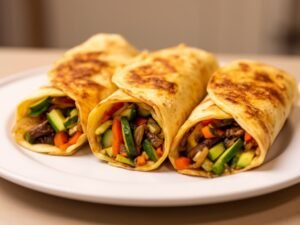
Have you ever wondered why some of the busiest home cooks swear by one-pan cooking methods? The answer is simple: sheet pan recipes transform dinner preparation from a stressful multi-step process into an effortless, streamlined experience. Whether you’re juggling work deadlines, managing family schedules, or simply exhausted after a long day, these versatile one-pan meals deliver restaurant-quality flavors with minimal effort and cleanup.
Table of Contents
Sheet pan dinners have revolutionized how modern families approach weeknight cooking. By combining proteins, vegetables, and seasonings on a single baking sheet, you create complete, balanced meals that cook simultaneously in the oven. This cooking method isn’t just about convenience—it’s about maximizing flavor through the natural juices and caramelization that occur when ingredients roast together. The beauty of sheet pan recipes lies in their incredible versatility, allowing you to customize ingredients based on what’s available in your kitchen and your family’s preferences.
What makes these one-pan meals particularly special is how they accommodate various dietary needs and cooking skill levels. From beginners hesitantly entering the kitchen to experienced home cooks seeking quick solutions, sheet pan recipes welcome everyone. You can prepare elaborate seafood combinations, hearty chicken dishes, or vegetable-forward meals without requiring advanced culinary techniques. The oven does most of the heavy lifting while you attend to other tasks.
The time-saving aspect cannot be overstated. Most sheet pan dinners come together in under forty-five minutes from start to finish, making them perfect for busy weeknights when dinner needs to appear on the table quickly. Beyond speed, these sheet pan recipes offer genuine nutritional value, featuring fresh vegetables, lean proteins, and wholesome ingredients that nourish your family. Combined with minimal dishwashing afterward, you’ve discovered the modern solution to dinner stress.
Ingredients for Sheet Pan Recipes
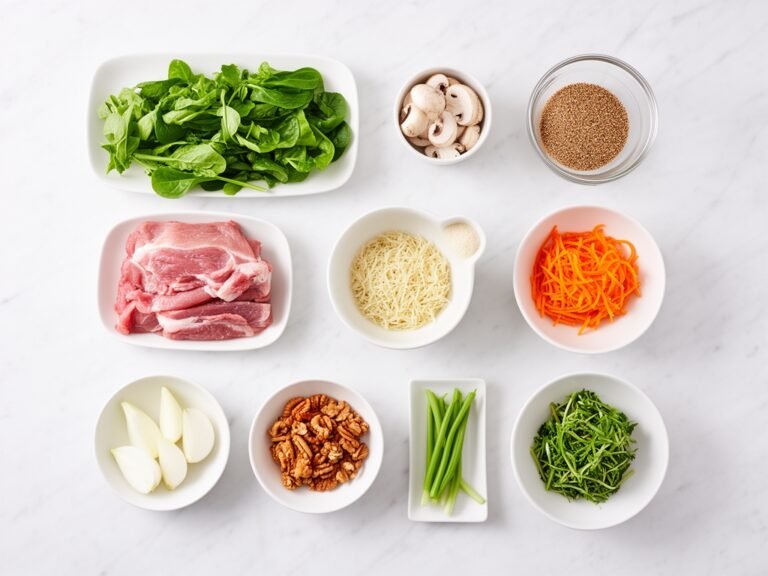
Creating exceptional sheet pan recipes begins with understanding ingredient selection and preparation. The foundation of any successful one-pan meal relies on choosing complementary flavors and ingredients that cook at similar rates. When preparing sheet pan dinners, consider how different vegetables release moisture, how proteins brown, and how seasonings distribute throughout your dish. This knowledge transforms basic ingredients into cohesive, delicious meals.
The beauty of sheet pan recipes is their flexibility with ingredient substitutions. If your grocery store lacks fresh broccoli, substitute with cauliflower or Brussels sprouts. Prefer chicken thighs over breasts? They work beautifully in sheet pan dinners and stay juicier during cooking. Don’t have fresh garlic? Garlic powder works equally well. This adaptability means you’re never stuck waiting for specific ingredients—you can create delicious meals with what’s on hand. Fresh, quality ingredients make the most noticeable difference, but frozen vegetables work wonderfully in sheet pan dinners when fresh options aren’t available.
Shopping strategically for your sheet pan recipes saves money and ensures success. Visit the butcher counter for freshly cut proteins rather than pre-packaged options when possible. Select firm vegetables without soft spots or blemishes. Buy herbs in season for maximum flavor and value. Consider buying proteins on sale and freezing them for future sheet pan dinners. This approach keeps your kitchen stocked with everything needed for quick, impressive meals.
Ingredients List
For the Protein:
– 2 pounds boneless, skinless chicken breasts, cut into bite-sized pieces
– 2 tablespoons olive oil
– 1 teaspoon kosher salt
– ½ teaspoon black pepper
– 1 teaspoon garlic powder
– 1 teaspoon onion powder
For the Vegetables:
– 1 pound baby potatoes, halved
– 2 cups fresh broccoli florets
– 1 red bell pepper, cut into 1-inch pieces
– 1 yellow bell pepper, cut into 1-inch pieces
– 1 medium red onion, cut into wedges
– 8 ounces mushrooms, halved
– 3 cloves fresh garlic, minced
For the Seasoning Mixture:
– 3 tablespoons olive oil
– 2 tablespoons balsamic vinegar
– 1 tablespoon fresh lemon juice
– 2 teaspoons Italian seasoning
– 1 teaspoon paprika
– ½ teaspoon dried thyme
– ½ teaspoon red pepper flakes
– Salt and pepper to taste
For Serving:
– Fresh parsley, chopped
– Grated Parmesan cheese
– Lemon wedges
Equipment Needed
Preparing successful sheet pan recipes requires specific kitchen equipment that ensures even cooking and easy cleanup. The right tools make the difference between an enjoyable cooking experience and a frustrating one. Investing in quality equipment means your one-pan meals cook evenly, brown properly, and require minimal effort to clean afterward.
The essential equipment for sheet pan dinners includes a sturdy rimmed baking sheet, which prevents vegetable juices from spilling into your oven. Parchment paper or silicone baking mats create non-stick surfaces, eliminating the need for excessive oil and making cleanup instantaneous. A sharp chef’s knife ensures vegetables cut uniformly, promoting even cooking throughout your dish. Measuring spoons and cups guarantee proper seasoning proportions, while a large mixing bowl allows you to combine ingredients before transferring to your baking sheet.
Essential Equipment List:
– Two large rimmed baking sheets (13×18 inches)
– Parchment paper or silicone baking mats
– Sharp chef’s knife and cutting board
– Large mixing bowl
– Measuring spoons and cups
– Wooden spoon or spatula for tossing
– Meat thermometer (for checking protein doneness)
– Oven-safe tongs
– Aluminum foil
– Small bowl for combining seasonings
Prep Time & Cook Time
Prep Time: 20 minutes
Cook Time: 25 minutes
Total Time: 45 minutes
Servings: 4-6 people
Difficulty Level: Easy
Timing is crucial when preparing sheet pan dinners, and understanding how to manage both prep and cooking time ensures dinner appears on your table exactly when you need it. Most sheet pan recipes fit perfectly into busy weeknight schedules, requiring minimal hands-on time. Begin prep work while your oven preheats to temperature, allowing everything to be ready the moment you can transfer your baking sheet into the oven. This strategic approach means dinner cooks while you attend to other tasks, maximizing your efficiency in the kitchen.
Step-by-Step Instructions for One-Pan Meals
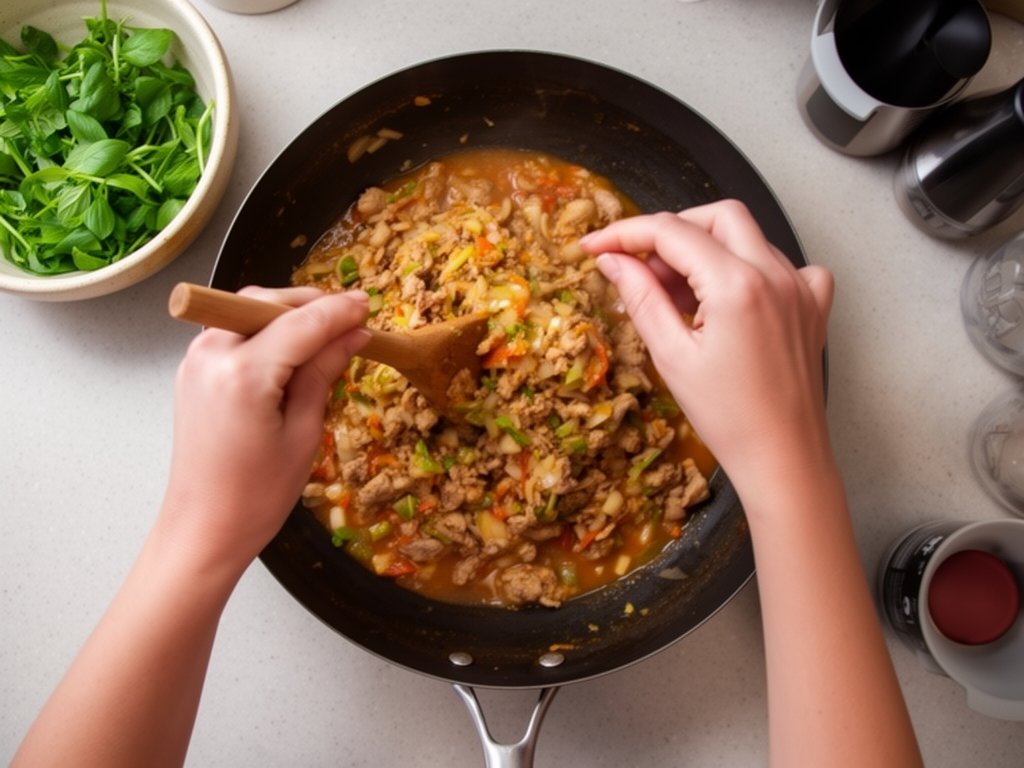
Creating impressive one-pan meals involves understanding the proper sequence of steps and timing considerations. The following instructions guide you through preparing a complete, restaurant-quality dinner that your family will request repeatedly. These detailed steps ensure success whether you’re a beginner or experienced cook seeking quick solutions for weeknight dinners.
1. Preheat Your Oven and Prepare Baking Sheets
Begin by preheating your oven to 425 degrees Fahrenheit. This high temperature creates beautiful caramelization on vegetables and helps proteins cook through while developing golden, flavorful exteriors. While the oven preheats, line your baking sheets with parchment paper or silicone baking mats. This crucial step prevents sticking and makes cleanup effortless after your sheet pan recipes finish cooking. Having your baking sheets prepared before cutting ingredients saves time and keeps your workspace organized throughout the cooking process.
2. Prepare Your Protein
Pat your chicken pieces dry with paper towels, removing excess moisture that prevents browning. In a small bowl, combine one teaspoon kosher salt, half teaspoon black pepper, one teaspoon garlic powder, and one teaspoon onion powder. Toss the chicken pieces with two tablespoons olive oil, then sprinkle the seasoning mixture evenly over all surfaces. Ensure each piece receives adequate seasoning for maximum flavor development. Properly seasoned proteins form the foundation of successful sheet pan dinners, so don’t skip this important step or underestimate the importance of thorough coating.
3. Cut Vegetables Uniformly
Uniform vegetable cuts ensure even cooking throughout your sheet pan recipes. Cut baby potatoes in half lengthwise, keeping pieces relatively consistent in size. Cut bell peppers into one-inch squares, removing seeds and white membranes completely. Slice the red onion into wedges approximately one inch thick. Halve mushrooms, keeping larger ones intact and cutting oversized ones into quarters. Separate broccoli into florets of similar size. This attention to detail might seem tedious, but it’s essential for achieving perfectly cooked vegetables where nothing burns while other pieces remain undercooked.
4. Combine Seasoning Mixture
In a medium bowl, whisk together three tablespoons olive oil, two tablespoons balsamic vinegar, one tablespoon fresh lemon juice, two teaspoons Italian seasoning, one teaspoon paprika, half teaspoon dried thyme, and half teaspoon red pepper flakes. Add salt and pepper to taste, adjusting seasonings based on your preferences. This flavorful mixture coats your vegetables and creates a savory sauce as everything roasts together. The combination of acidic vinegar and lemon juice with aromatic herbs creates depth that elevates simple sheet pan recipes into restaurant-quality meals. Whisking thoroughly ensures even distribution of seasonings throughout the liquid.
5. Combine Vegetables in Large Bowl
Transfer all prepared vegetables to a large mixing bowl. Add the minced garlic, then pour the seasoning mixture over everything. Using a large spoon or spatula, toss thoroughly, ensuring every vegetable piece receives an even coating of the flavorful mixture. Take time with this step—proper coating means every bite of your sheet pan dinners delivers consistent flavor. Some home cooks use their hands to toss, which works wonderfully and allows you to feel when everything is evenly distributed. Don’t rush this step, as it directly impacts how delicious your final dish becomes.
6. Arrange Ingredients on Prepared Baking Sheets
Spread the seasoned vegetables evenly across your prepared baking sheets in a single layer. Avoid overcrowding, as vegetables need space for air circulation and proper browning. Arrange the seasoned chicken pieces on top of the vegetables, distributing them evenly across both sheets. If using one large baking sheet, arrange ingredients in a single layer without stacking. Proper arrangement ensures nothing steams instead of roasts, and everything cooks through evenly. Remember that successful sheet pan recipes depend on proper spacing—crowded ingredients won’t brown properly and may steam instead of developing those delicious caramelized edges.
7. Transfer to Preheated Oven
Carefully place your prepared baking sheets into the preheated 425-degree oven. Set a timer for fifteen minutes. The high heat causes vegetables to begin caramelizing and proteins to start cooking through. This initial phase is crucial for developing flavors that make sheet pan dinners so delicious. Make sure your oven racks are positioned to allow baking sheets to fit without touching the top heating element. Proper oven positioning prevents uneven cooking and ensures nothing burns while other components undercook.
8. Stir and Rotate Sheets
After fifteen minutes, carefully remove both baking sheets from the oven. Using a spatula or wooden spoon, stir vegetables and reposition chicken pieces to ensure even cooking. If using two baking sheets, rotate them so the sheet that was on the lower rack moves to the upper position and vice versa. This rotation compensates for uneven oven heat distribution, a common issue in many home kitchens. Stirring prevents vegetables from sticking and ensures they brown evenly on all sides. Return the baking sheets to the oven for an additional ten minutes.
9. Check Protein Doneness
Using a meat thermometer, check the thickest chicken pieces to ensure they’ve reached 165 degrees Fahrenheit, the safe internal temperature for poultry. Insert the thermometer into the center of the largest piece without touching bone or the baking sheet. If chicken hasn’t reached the proper temperature, return the baking sheets to the oven for an additional three to five minutes, then check again. Never skip this step when preparing sheet pan recipes containing chicken—proper food safety prevents foodborne illness and protects your family’s health.
10. Remove from Oven and Rest
Once chicken reaches the proper temperature, remove both baking sheets from the oven. Allow everything to rest for five minutes before serving. This resting period allows juices to redistribute throughout the protein, ensuring moist, tender chicken in your finished sheet pan dinners. The residual heat continues cooking everything slightly while the resting period happens, so don’t overcook during the oven phase. Transfer to serving dishes or plates, garnishing with fresh parsley, grated Parmesan cheese, and lemon wedges.
11. Taste and Adjust Seasonings
Before serving, taste a small portion of your sheet pan dinners and adjust seasonings as needed. Add additional salt, pepper, or fresh lemon juice if desired. Some home cooks prefer more acidity, while others want additional herb flavors. This final tasting step ensures your dish meets your personal preferences and tastes exactly how you envisioned. Don’t skip this adjustment phase—it’s the difference between good sheet pan recipes and truly exceptional ones that your family requests repeatedly.
12. Plate and Serve Immediately
Divide the roasted chicken and vegetables among serving plates, ensuring each portion includes protein and vegetables in balanced amounts. Drizzle any accumulated pan juices over the top, as these flavorful liquids enhance every bite of your sheet pan dinners. Serve immediately while everything is hot, with fresh lemon wedges for squeezing over individual portions. The combination of tender chicken, caramelized vegetables, and flavorful pan juices creates the complete experience that makes sheet pan recipes so beloved by home cooks everywhere.
13. Save Pan Drippings for Sauce
Don’t discard the flavorful liquid remaining on your baking sheets after plating. Transfer these pan drippings to a small saucepan and warm gently over low heat. This concentrated sauce enhances every bite when drizzled over plated portions. Some home cooks thicken these drippings with a cornstarch slurry for a more substantial sauce. These flavorful pan juices represent the essence of your sheet pan dinners, extracting maximum flavor from every ingredient that roasted together.
14. Serve with Complementary Sides
While sheet pan dinners are complete meals on their own, serving them with complementary sides elevates the dining experience. Crusty bread works wonderfully for soaking up pan juices, while rice or quinoa provides additional substance if desired. A crisp green salad with vinaigrette offers refreshing contrast to the warm roasted elements. These additions transform simple sheet pan recipes into impressive meals worthy of dinner guests or special occasions.
15. Document Your Creation
Take a moment to photograph your finished sheet pan dinners before everyone digs in. Sharing these images with family and friends inspires them to try similar recipes. Food photography also helps you remember which variations and adjustments worked best, allowing you to refine your sheet pan recipes over time. This documentation becomes valuable when planning future meals and sharing your culinary creations with your community.
Nutritional Information
Sheet pan dinners represent nutritional powerhouses that deliver complete, balanced meals in a single dish. The combination of lean protein, fresh vegetables, and healthy fats creates meals that support various dietary goals while tasting absolutely delicious. Understanding the nutritional components of your sheet pan recipes helps you make informed choices and appreciate why these one-pan meals work so well for health-conscious home cooks.
The chicken in these sheet pan dinners provides high-quality protein essential for muscle maintenance, immune function, and satiety. A four-ounce serving of cooked chicken breast contains approximately thirty-five grams of protein with minimal fat, making it ideal for those seeking lean protein sources. The roasted vegetables contribute fiber, vitamins, and minerals that support overall health. Bell peppers provide vitamin C and antioxidants, broccoli delivers sulforaphane and additional vitamins, while potatoes offer potassium and B vitamins. Together, these ingredients create nutritionally complete meals that fuel your body efficiently.
The healthy fats in sheet pan recipes come primarily from olive oil, which contains heart-healthy monounsaturated fats and polyphenols with anti-inflammatory properties. These fats enhance nutrient absorption, allowing your body to utilize vitamins from vegetables more effectively. The combination of protein, fiber, and healthy fats creates meals that keep you satisfied for hours, preventing energy crashes and overeating later. This nutritional balance explains why sheet pan dinners work wonderfully for weight management and overall wellness goals.
Estimated Nutritional Values Per Serving (serves 4):
– Calories: 385
– Protein: 42 grams
– Carbohydrates: 28 grams
– Dietary Fiber: 5 grams
– Fat: 12 grams
– Saturated Fat: 2 grams
– Sodium: 520 milligrams
– Cholesterol: 95 milligrams
Serving Suggestions & Variations
The versatility of sheet pan recipes allows endless variations that keep meals interesting throughout the year. Whether you’re adapting to seasonal ingredients, accommodating dietary preferences, or simply experimenting with new flavors, these one-pan meals adjust beautifully to your needs. Understanding how to modify sheet pan dinners empowers you to create new dishes regularly without requiring entirely different recipes.
Seasonal Variations for Different Times of Year
Spring sheet pan dinners benefit from fresh asparagus, snap peas, and tender new potatoes. Replace broccoli with asparagus spears, add snap peas for crunch, and use smaller potatoes that cook quickly. Fresh herbs like dill and tarragon complement spring vegetables beautifully. Summer variations incorporate zucchini, yellow squash, and cherry tomatoes, which caramelize wonderfully at high temperatures. Late summer corn works beautifully in sheet pan recipes, adding sweetness that balances savory elements. Fall and winter versions embrace heartier vegetables like Brussels sprouts, root vegetables, and winter squash. These seasonal adaptations mean your sheet pan dinners always feature peak-season ingredients at their most flavorful and affordable.
Protein Alternatives for Dietary Preferences
While chicken works beautifully in sheet pan recipes, numerous protein alternatives deliver equally impressive results. Salmon fillets roast perfectly on sheet pans, cooking in approximately fifteen minutes at 425 degrees. The omega-three fatty acids in fish provide additional health benefits beyond those in poultry. Beef tenderloin or sirloin tips create elegant sheet pan dinners suitable for entertaining. Ground turkey or beef work wonderfully in seasoned crumble form, creating more casual variations. Shrimp cooks incredibly quickly on sheet pans—just five to seven minutes at high temperature—making it perfect for busy weeknights when time is especially tight.
Vegetable Combinations and Substitutions
The beauty of sheet pan recipes lies in their flexibility with vegetable selections. If you dislike mushrooms, substitute with additional bell peppers or zucchini. Prefer Brussels sprouts to broccoli? They roast beautifully at high temperatures, developing crispy, caramelized exteriors. Cauliflower, green beans, carrots, and onions all work wonderfully in sheet pan dinners. Root vegetables like parsnips and turnips add interesting flavors and textures. Don’t feel restricted by specific recipes—adapt sheet pan dinners based on what’s available in your kitchen and your personal preferences.
Flavor Profile Variations
Asian-inspired sheet pan recipes incorporate soy sauce, ginger, garlic, and sesame oil instead of balsamic vinegar and Italian herbs. Mediterranean versions feature olives, capers, fresh lemon, and oregano. Mexican-influenced sheet pan dinners use cumin, chili powder, lime juice, and cilantro. Indian-spiced versions incorporate curry powder, turmeric, and coconut milk. These flavor variations prove that sheet pan recipes aren’t limited to Italian profiles—they adapt beautifully to any cuisine you love. Experimenting with different spice combinations keeps your cooking exciting and prevents boredom with one-pan meals.
Side Dish Pairings
Serve sheet pan dinners with crusty bread for soaking up flavorful pan juices. Rice pilaf, quinoa, or couscous provide additional substance and absorb pan drippings beautifully. A crisp green salad with vinaigrette offers refreshing contrast to warm roasted elements. Roasted grains like farro or barley add interesting textures and nutty flavors. Some home cooks serve sheet pan recipes over creamy polenta or mashed potatoes for comfort-food versions. The key is selecting sides that complement rather than overshadow your carefully prepared sheet pan dinners.
Expert Tips & Tricks for Perfect Sheet Pan Dinners
Mastering sheet pan recipes involves understanding techniques that experienced cooks use to achieve consistently excellent results. These professional tips elevate your cooking from basic to impressive, ensuring every meal delights your family and guests.
Tip 1: Pat Proteins Completely Dry
Before seasoning, pat your chicken, fish, or other proteins completely dry with paper towels. Excess moisture prevents browning and creates steam instead of the desirable caramelization that makes sheet pan dinners so delicious. This simple step takes thirty seconds but dramatically improves your final results. Professional cooks prioritize this step because they understand how moisture impacts cooking outcomes.
Tip 2: Cut Vegetables Uniformly for Even Cooking
Uniform vegetable cuts ensure everything finishes cooking simultaneously in your sheet pan recipes. Smaller pieces cook faster than larger ones, so inconsistent sizing results in some vegetables burning while others remain undercooked. Invest time in cutting vegetables to similar sizes—this attention to detail distinguishes good sheet pan dinners from truly exceptional ones. Your knife skills improve with practice, making this step faster over time.
Tip 3: Don’t Overcrowd Your Baking Sheets
Overcrowding prevents proper air circulation, causing vegetables to steam instead of roast. Arrange ingredients in a single layer with slight spacing between pieces. If you’re doubling a recipe, use two baking sheets rather than cramming everything onto one. Proper spacing ensures the beautiful caramelization that makes sheet pan recipes so visually appealing and flavorful.
Tip 4: Use High Heat for Maximum Flavor
Most sheet pan recipes benefit from oven temperatures of 425 degrees Fahrenheit or higher. This high heat creates the Maillard reaction, the chemical process that produces the complex, savory flavors home cooks love. Lower temperatures produce pale, less flavorful results. Don’t be afraid of high heat—it’s your secret weapon for sheet pan dinners that taste restaurant-quality.
Tip 5: Stir Vegetables Halfway Through Cooking
Stirring vegetables approximately halfway through cooking ensures even browning on all sides. This simple action prevents sticking and allows vegetables that were on the bottom to rotate to the top where they brown more effectively. Set a timer as a reminder to perform this crucial step in your sheet pan recipes.
Tip 6: Invest in Quality Baking Sheets
Heavy-duty, rimmed baking sheets distribute heat evenly and prevent warping at high temperatures. Cheap, thin baking sheets often cause uneven cooking and burn spots. Quality baking sheets represent a worthwhile investment that improves every sheet pan dinner you prepare. Look for sheets made from commercial-grade aluminum with rolled edges for durability.
Tip 7: Line Sheets with Parchment Paper
Parchment paper prevents sticking, makes cleanup instantaneous, and allows you to use less oil in your sheet pan recipes. The small cost of parchment paper saves time and frustration. Some cooks prefer silicone baking mats, which are reusable and equally effective. Either option beats scrubbing baked-on food from your baking sheets.
Tip 8: Use a Meat Thermometer for Perfect Protein
Guessing whether chicken is cooked through leads to either undercooked, unsafe meals or dry, overcooked protein. A meat thermometer removes guesswork, ensuring chicken reaches 165 degrees Fahrenheit for food safety while remaining juicy. This inexpensive tool transforms your sheet pan dinners from hit-or-miss to consistently perfect.
Tip 9: Allow Resting Time After Cooking
Resting for five minutes after removing sheet pan recipes from the oven allows juices to redistribute throughout proteins. This simple step ensures tender, moist chicken instead of dry, stringy texture. Patience during this final phase pays dividends in your finished dish quality.
Tip 10: Taste and Adjust Before Serving
Never skip the final tasting step in your sheet pan recipes. Adjust salt, pepper, acid, and herbs based on your preferences. This professional habit ensures your dishes taste exactly how you envisioned them.
Common Mistakes to Avoid
Understanding common pitfalls in sheet pan dinners helps you sidestep frustration and achieve excellent results consistently.
Mistake 1: Wet Proteins and Vegetables
Excess moisture prevents browning and creates steam in your sheet pan recipes. Pat everything dry before cooking. This simple step dramatically improves browning and flavor development. Never skip this crucial preparation step regardless of time constraints.
Mistake 2: Uneven Vegetable Sizing
Inconsistent vegetable cuts result in some pieces burning while others remain undercooked. Take time to cut vegetables uniformly. This attention to detail distinguishes mediocre sheet pan dinners from impressive ones. Your knife skills improve with practice, making this step progressively faster.
Mistake 3: Overcrowding the Baking Sheet
Crowded ingredients steam instead of roast, producing pale, flavorless results. Use two baking sheets if necessary rather than cramming everything onto one. Proper spacing ensures the caramelization that makes sheet pan recipes delicious and visually appealing.
Mistake 4: Using Low Oven Temperature
Low temperatures prevent proper browning and flavor development in sheet pan recipes. Use 425 degrees Fahrenheit or higher. Don’t fear high heat—it’s essential for achieving restaurant-quality results in your one-pan meals.
Mistake 5: Skipping the Halfway Stir
Vegetables need stirring approximately halfway through cooking to ensure even browning. This simple action prevents burning and allows all sides to caramelize properly. Set a timer as a reminder to perform this important step in your sheet pan dinners.
Mistake 6: Not Checking Protein Doneness
Guessing whether chicken is cooked through risks serving unsafe, undercooked meals or dry, overcooked protein. Use a meat thermometer to ensure chicken reaches 165 degrees Fahrenheit. This inexpensive tool eliminates guesswork from your sheet pan recipes.
Mistake 7: Skipping the Resting Period
Resting for five minutes after removing sheet pan recipes from the oven allows juices to redistribute. This simple step ensures tender, moist protein instead of dry texture. Patience during this final phase improves your results noticeably.
Mistake 8: Inadequate Seasoning
Under-seasoned sheet pan recipes taste bland and disappointing. Season generously, then taste and adjust before serving. Remember that salt enhances flavors—don’t be timid with seasoning your one-pan meals.
Storage & Reheating Instructions
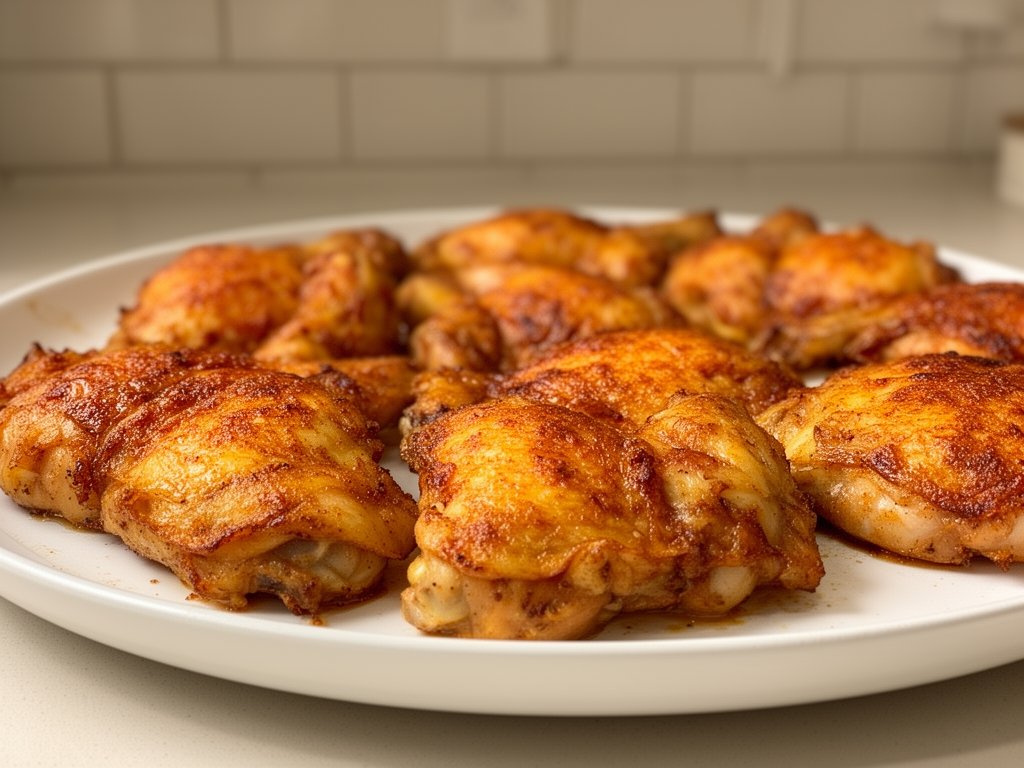
Properly storing and reheating sheet pan recipes extends their usefulness beyond the initial meal, providing convenient lunches and quick dinners throughout the week. Understanding storage methods and reheating techniques ensures leftovers taste nearly as delicious as freshly prepared meals.
Refrigerator Storage
Transfer leftover sheet pan dinners to airtight containers within two hours of cooking. Properly stored, these meals keep safely in your refrigerator for three to four days. The combination of protein and vegetables in sheet pan recipes makes them ideal for meal prep. Store vegetables and proteins together or separately, depending on your preference. Before consuming, check that everything smells fresh and shows no signs of spoilage. When in doubt, discard questionable leftovers rather than risk foodborne illness.
Freezer Storage for Extended Shelf Life
Sheet pan dinners freeze beautifully, making them perfect for advance meal preparation. Cool completely before transferring to freezer-safe containers or heavy-duty freezer bags. Remove as much air as possible from freezer bags to prevent freezer burn. Properly frozen sheet pan recipes keep safely for two to three months. Label containers with the contents and date for easy identification. Thaw overnight in your refrigerator before reheating for best results, though you can reheat directly from frozen if time is limited.
Reheating Methods for Different Appliances
The oven provides the best reheating method for sheet pan dinners, restoring the original texture and flavor. Preheat your oven to 350 degrees Fahrenheit, spread leftovers on a baking sheet, and heat for ten to fifteen minutes until warmed through. Cover with aluminum foil to prevent excessive browning. Stovetop reheating works well for smaller portions—simply transfer to a skillet over medium heat, stirring occasionally until heated through. Microwave reheating offers convenience for quick lunches, though it may soften vegetables slightly. Place portions in a microwave-safe container, cover loosely, and heat in one-minute intervals, stirring between intervals until warmed through. Add a splash of water or broth if your sheet pan dinners seem dry during reheating.
Food Safety Considerations
Never leave cooked sheet pan dinners at room temperature for more than two hours. Bacteria multiply rapidly in the temperature danger zone between 40 and 140 degrees Fahrenheit. Refrigerate or freeze leftovers promptly after meals finish. When reheating, ensure food reaches 165 degrees Fahrenheit throughout. Use a food thermometer to verify temperature, especially for chicken. Discard any sheet pan dinners that have been refrigerated for more than four days or show signs of spoilage like discoloration or off odors.
Conclusion
Sheet pan recipes represent the modern solution to weeknight dinner stress, delivering restaurant-quality meals with minimal effort and cleanup. These versatile one-pan dinners accommodate various dietary preferences, ingredient availability, and cooking skill levels, making them perfect for every home cook. Whether you’re preparing meals for your family or entertaining guests, sheet pan dinners impress consistently while fitting seamlessly into busy schedules.
The combination of convenience, nutrition, and flavor makes these high protein sheet pan dinners an essential addition to your regular cooking rotation. Once you experience how simple it is to create complete, balanced meals on a single baking sheet, you’ll wonder how you ever managed without this cooking method. Start with the recipe provided here, then experiment with seasonal variations and flavor profiles that match your preferences.
Transform your weeknight cooking experience today by embracing the simplicity and deliciousness of sheet pan recipes. Your family will request these one-pan meals repeatedly, and you’ll appreciate the minimal time and effort required to deliver nutritious, satisfying dinners. Welcome to the world of effortless, impressive home cooking that makes every meal feel special.
FAQs
Can I prepare sheet pan dinners ahead of time?
Yes, you can assemble sheet pan recipes several hours before cooking. Prepare all ingredients, arrange them on your baking sheet, cover with plastic wrap, and refrigerate. When ready to cook, simply remove from the refrigerator and place directly into your preheated oven. This advance preparation works wonderfully for busy weeknights when you want dinner ready immediately after arriving home. Some home cooks prepare sheet pan dinners the night before, making weeknight cooking even more convenient.
What should I do if my vegetables aren’t browning properly?
Insufficient browning typically results from overcrowding, low oven temperature, or wet ingredients. Ensure your oven temperature is at least 425 degrees Fahrenheit, pat vegetables completely dry before cooking, and arrange them in a single layer with spacing between pieces. If you’re still experiencing issues, increase oven temperature to 450 degrees and reduce cooking time slightly. Professional cooks know that proper browning requires high heat and adequate space for air circulation.
Can I use frozen vegetables in sheet pan dinners?
Absolutely, frozen vegetables work wonderfully in sheet pan recipes. Thaw them completely and pat dry before cooking to remove excess moisture that prevents browning. Frozen vegetables may cook slightly faster than fresh ones, so monitor your meal carefully. The convenience of frozen vegetables makes them perfect for quick sheet pan dinners when fresh options aren’t available.
How do I prevent my sheet pan dinners from drying out?
Dryness typically results from overcooking, especially with chicken breast. Use a meat thermometer to ensure chicken reaches exactly 165 degrees Fahrenheit—no higher. Chicken thighs stay moister than breasts, making them excellent choices for sheet pan recipes. Allow resting time after cooking, which allows juices to redistribute throughout proteins. Don’t skip this crucial step if you want tender, juicy results.
Can I make sheet pan dinners without oil?
While oil aids browning and prevents sticking, you can use cooking spray or parchment paper instead. Cooking spray provides a thin oil coating with minimal fat, while parchment paper allows cooking with virtually no oil. However, some oil enhances browning and flavor development, so I recommend using at least a small amount. If avoiding oil entirely, expect slightly less browning and more steaming during cooking.
What proteins work best in sheet pan recipes?
Chicken breasts and thighs, salmon fillets, shrimp, beef tenderloin, and ground turkey all work beautifully in sheet pan dinners. Choose proteins that cook at similar rates to your vegetables. Delicate fish fillets cook quickly, while beef and chicken require longer cooking times. Match protein selection to your available time and cooking preferences.
How can I make sheet pan dinners more flavorful?
Proper seasoning is essential for flavorful sheet pan recipes. Season proteins before cooking, toss vegetables in a seasoning mixture, and taste before serving, adjusting as needed. Don’t be timid with salt—it enhances all flavors. Fresh herbs, citrus juice, and quality vinegars add brightness. Experiment with different spice combinations to create varied flavor profiles in your one-pan meals.
Can I double sheet pan dinner recipes?
Yes, simply double all ingredients and use two baking sheets instead of one. Never overcrowd a single sheet, as this prevents proper browning and even cooking. Doubling recipes works perfectly for meal prep or feeding larger groups. Adjust cooking time slightly if needed, checking for doneness earlier than the original recipe suggests.
What’s the best way to reheat sheet pan dinners without drying them out?
Oven reheating produces the best results, restoring original texture and flavor. Preheat your oven to 350 degrees Fahrenheit, spread leftovers on a baking sheet, cover with foil, and heat for ten to fifteen minutes. Add a splash of broth or water if your sheet pan dinners seem dry. Avoid microwave reheating when possible, as it can make vegetables mushy and proteins tough.
Can I customize sheet pan dinners for dietary restrictions?
Absolutely, sheet pan recipes adapt beautifully to various dietary needs. Use gluten-free seasonings for gluten-free diets, substitute proteins for vegetarian versions, and adjust vegetables based on preferences. The flexibility of sheet pan dinners makes them perfect for accommodating multiple dietary restrictions in a single meal that satisfies everyone at your table.