Imagine coming home after a long day, craving something warm, flavorful, and utterly satisfying without spending hours in the kitchen. That’s where these roasted vegetables shine—they transform simple veggies into caramelized gems with crispy edges and tender centers. I’ve made roasted vegetables a staple in my weekly routine because they’re endlessly versatile, bursting with natural sweetness, and pair beautifully with everything from grilled chicken to fluffy grains.
Table of Contents
What makes these roasted vegetables so special? It’s the high-heat magic that draws out their earthy flavors, creating a side dish that’s healthy yet indulgent. Perfect for busy weeknights, holiday tables, or meal prep Sundays, they require minimal chopping and cleanup. Tossed with olive oil, herbs, and a touch of spice, every bite offers a mix of textures—from crunchy Brussels sprouts to silky sweet potatoes. I’ve perfected this recipe over countless batches, ensuring foolproof results that even novice cooks can nail.
As a fan of sheet pan dinners, I love how this fits right into that effortless style. One pan, one oven rack, and dinner’s drama-free. Whether you’re feeding a family or just yourself, these roasted vegetables elevate any meal with their vibrant colors and robust taste. They’re not just a side; they’re the star that makes healthy eating feel like a treat.
Roasted vegetables like these are ideal for all seasons—swap in summer zucchini or winter roots for freshness. Their simplicity lets the produce speak, enhanced by garlic’s savoriness and herbs’ brightness. Ready to roast up some magic?
Ingredients for Roasted Vegetables
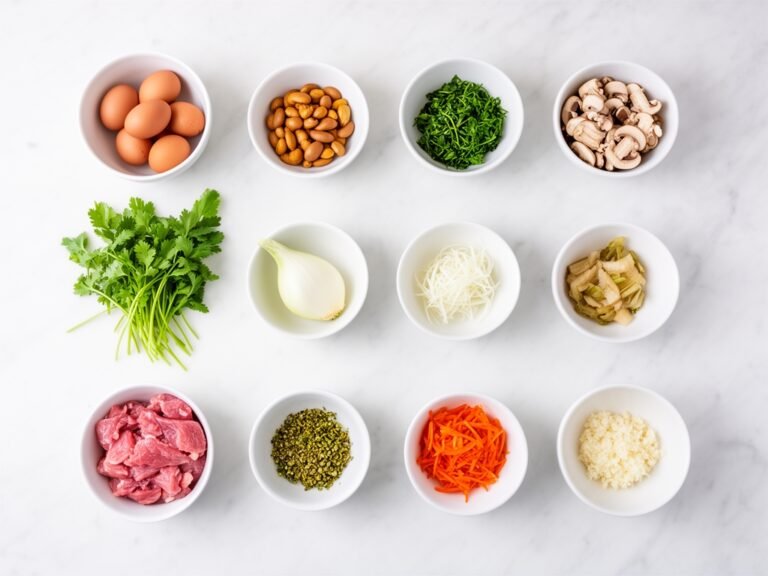
Choosing the right ingredients is key to perfect roasted vegetables. I select sturdy veggies like sweet potatoes, broccoli, and carrots that hold their shape under high heat, while adding quicker-cooking ones like asparagus later for even doneness. This mix ensures crispy edges without mushiness, and olive oil helps them caramelize beautifully.
These specific picks work because denser roots like potatoes build a flavorful base, while florets and spears add lightness. Fresh herbs and garlic infuse aroma without overpowering. For roasted vegetables, quality matters—opt for firm, colorful produce at peak ripeness to maximize taste and nutrition.
For the Hardy Vegetables (First Roast):
– 2 medium sweet potatoes, peeled and cut into 1-inch cubes (about 1 lb)
– 2 cups broccoli florets
– 3 large carrots, peeled and sliced into ½-inch rounds
– 1 lb Brussels sprouts, trimmed and halved
– ¼ cup extra-virgin olive oil
– 1 tsp smoked paprika
– 1 tsp garlic powder
– 1 tsp kosher salt
– ½ tsp black pepper
For the Tender Vegetables (Second Roast):
– 1 bunch asparagus, trimmed (about 1 lb)
– 1 pint cherry tomatoes, halved
– 1 red bell pepper, sliced into 1-inch strips
– 1 medium red onion, cut into wedges
– 2 Tbsp extra-virgin olive oil
– ½ tsp kosher salt
– ¼ tsp black pepper
Seasonings and Finishers:
– 3 garlic cloves, minced
– 2 tsp dried Italian seasoning
– Optional: ¼ cup grated Parmesan cheese for topping
– Fresh parsley, chopped, for garnish
Substitution notes: Swap sweet potatoes for Yukon gold potatoes if you prefer a milder flavor; use cauliflower florets instead of broccoli for variety. If asparagus is unavailable, zucchini slices work well—just pat them dry to avoid excess moisture. Shopping tip: Buy pre-trimmed Brussels sprouts and bagged broccoli to save time, and choose multi-colored carrots for visual appeal in your roasted vegetables.
Equipment Needed
A rimmed baking sheet is essential for roasted vegetables—it catches juices and prevents spills, promoting even airflow for crispiness. Preheat it in the oven for that seared exterior. A large mixing bowl helps toss everything evenly, while a sharp knife and cutting board ensure uniform pieces that cook consistently.
You’ll also need a spatula for stirring midway, parchment paper or foil for easy cleanup, and an oven mitt for safe handling. These tools keep the process smooth and hands-off.
– Large rimmed baking sheet (half-sheet size, 18×13 inches)
– Large mixing bowl
– Sharp chef’s knife
– Cutting board
– Spatula or tongs
– Measuring cups and spoons
– Parchment paper or aluminum foil (optional)
Prep Time & Cook Time
Prep Time: 15 minutes
Cook Time: 30 minutes
Total Time: 45 minutes
Servings: 6
Difficulty: Easy
Timing is everything for stellar roasted vegetables. Start prepping veggies while the oven preheats to 425°F—this keeps things efficient. Chop hardy ones first since they roast longer, then tend to softer additions. The staggered approach prevents overcooking, yielding perfectly tender results in under an hour.
Step-by-Step Sheet Pan Dinners Instructions
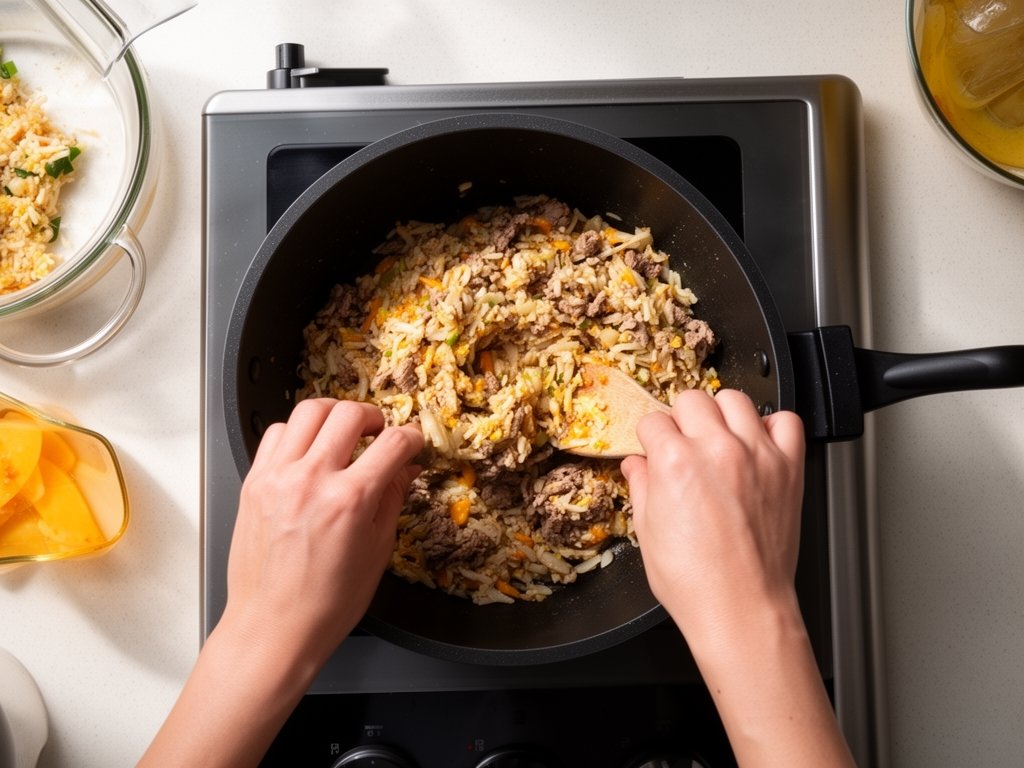
Mastering sheet pan dinners like these roasted vegetables means embracing high heat and smart sequencing. We’ll roast heartier veggies first for caramelization, then add delicate ones to finish together. This method, drawn from tested techniques, ensures every piece has crispy edges and vibrant flavor without sogginess.
Preheat your oven fully for best results, and cut everything uniformly. Let’s dive into the steps for foolproof roasted vegetables.
1. Preheat your oven to 425°F and place the rimmed baking sheet inside to heat up—this creates an instant sear for superior crispiness on your roasted vegetables. While it warms, prep the hardy vegetables by washing, peeling where needed, and cutting into even 1-inch pieces. Uniform size is crucial for even cooking[1][3].
2. In a large mixing bowl, combine sweet potatoes, broccoli florets, carrots, and Brussels sprouts. Drizzle with ¼ cup olive oil, then sprinkle smoked paprika, garlic powder, 1 tsp salt, and ½ tsp pepper. Toss thoroughly with your hands or a spatula until every piece glistens and seasonings cling well—this builds flavor layers for outstanding roasted vegetables[1].
3. Carefully remove the hot baking sheet from the oven (use mitts!). Line with parchment if desired, then spread the seasoned hardy vegetables in a single, even layer. Avoid crowding to promote airflow and browning; if needed, use two sheets for perfect sheet pan dinners[3].
4. Roast for 20 minutes, stirring halfway through with a spatula to flip pieces for all-over golden edges. Watch for sweet potatoes to soften slightly while Brussels sprouts crisp—the aroma will fill your kitchen, signaling great roasted vegetables ahead[1][2].
5. Meanwhile, prep tender vegetables: trim asparagus ends, halve tomatoes, slice bell pepper and onion. In the same bowl, toss with 2 Tbsp oil, ½ tsp salt, ¼ tsp pepper, minced garlic, and Italian seasoning. This marinade keeps them bright and prevents drying out[4].
6. After 20 minutes, pull the sheet from the oven. Scatter asparagus, tomatoes, pepper, and onion over the hot veggies, gently stirring to integrate without breaking tender pieces. Return to the oven for even distribution in your roasted vegetables[1][2].
7. Continue roasting 8-10 more minutes, until asparagus is fork-tender and tomatoes burst with juices. Edges should be caramelized—check carrots and sprouts for crispiness. Total time yields perfectly balanced sheet pan dinners[5].
8. Remove from oven and let rest 2-3 minutes on the pan; residual heat finishes cooking. Taste and adjust salt if needed. For extra flair, sprinkle Parmesan while hot—it melts into cheesy bliss over roasted vegetables[5].
9. Garnish with chopped parsley for freshness. Transfer to a platter, scraping up any flavorful pan bits. These roasted vegetables are now ready to steal the show alongside your favorite mains.
10. Serve immediately for peak crispness, or cool for meal prep. This method scales easily—double for crowds while keeping that signature char[2].
11. Pro tip within steps: If veggies release too much liquid, blot with paper towels before adding tenders to maintain crunch in your roasted vegetables[4].
12. For convection ovens, reduce to 400°F and shave 5 minutes—monitors doneness by texture, not just time[5].
Nutritional Information
These roasted vegetables pack a nutrient punch, loaded with fiber from broccoli and Brussels sprouts that aids digestion, plus beta-carotene from carrots and sweet potatoes for eye health. Roasting concentrates flavors and preserves vitamins better than boiling, making each serving a powerhouse.
Olive oil adds heart-healthy monounsaturated fats, while garlic and herbs provide antioxidants. Low in calories yet filling, they’re ideal for balanced plates—about 150 calories per serving with ample potassium and vitamin C for immunity.
Per serving (1/6 recipe):
– Calories: 180
– Total Fat: 10g (Saturated: 1.5g)
– Carbohydrates: 22g (Fiber: 6g, Sugars: 8g)
– Protein: 5g
– Sodium: 450mg
– Vitamin A: 120% DV, Vitamin C: 90% DV, Vitamin K: 150% DV
This profile supports steady energy without spikes, thanks to complex carbs and veggies’ natural sweetness in roasted vegetables.
Serving Suggestions & Variations
Pair roasted vegetables with grilled chicken breasts rubbed with the same seasonings for a complete, juicy meal—the veggies’ char complements lean protein perfectly. Add quinoa or farro on the side for a hearty grain bowl, drizzling tahini sauce over top.
For seasonal twists, summer calls for eggplant and zucchini swaps; winter loves parsnips and beets. Try honey-glazed variations: whisk 1 Tbsp honey into the oil for subtle sweetness that caramelizes beautifully on roasted vegetables.
Elevate as a main with chickpeas tossed in midway—they crisp up like roasted nuts. For sheet pan dinners, nestle salmon fillets among veggies in the final 10 minutes for one-pan wonder.
Experiment with curry powder instead of Italian seasoning for an exotic spin, or balsamic glaze post-roast for tangy depth. These ideas keep roasted vegetables fresh and exciting year-round.
Expert Tips & Tricks for Perfect Roasted Vegetables
Elevate your game with these pro strategies for roasted vegetables that rival restaurant quality—focus on heat, cut, and timing for unmatched results.
1. Cut Uniformly: Aim for 1-inch pieces across all veggies; this ensures even cooking without some burning while others stay raw. Pros preheat pans to jumpstart browning, avoiding the steamed effect[3].
2. High Heat is Key: 425°F crisps exteriors via Maillard reaction, concentrating sugars. Don’t go below 400°F, or you’ll get soft, sad results instead of craveable roasted vegetables[1][5].
3. Don’t Skimp on Oil: Use enough to coat—about 1-2 tsp per cup of veggies. It conducts heat for crispiness and prevents drying; avocado oil works for higher smoke points[2].
4. Season Generously: Salt draws out moisture for better caramelization—use kosher for texture. Layer flavors: oil first, then spices, for roasted vegetables that taste alive[4].
5. Stir Strategically: Flip halfway to expose all sides to heat, promoting even char. Tongs preserve floret integrity better than spatulas in busy sheet pan dinners[1].
6. Add Acids Last: Lemon juice or vinegar post-roast brightens without toughening skins during cooking. A squeeze unifies flavors in roasted vegetables beautifully[5].
7. Preheat the Pan: Hot metal sizzles veggies on contact, mimicking a skillet. This trick, from chef playbooks, yields pro-level roasted vegetables every time[3].
8. Crowd Control: Single layer only—overlapping steams. Split batches if needed for air circulation and peak crispness[2].
9. Quality Matters: Fresh, in-season produce roasts best; farmers’ market finds intensify natural sugars for superior roasted vegetables.
Common Mistakes to Avoid
Overcrowding the pan traps steam, leading to soggy roasted vegetables instead of crisp ones. Solution: Use two sheets or halve the batch, spreading in a single layer for airflow and proper browning.
Cutting uneven sizes causes some pieces to burn while others stay crunchy raw. Fix by measuring 1-inch uniformity with a guide—spend the extra minute for even roasted vegetables.
Skipping the preheat results in pale, under-browned veggies. Always heat the sheet; the sizzle seals in flavor and texture from the start.
Using wet veggies dilutes seasonings and steams everything. Pat dry thoroughly after washing to ensure oil adheres and crisps up your roasted vegetables.
Low oven temps (under 400°F) boil rather than roast. Crank to 425°F for caramelization—test your oven’s accuracy with an thermometer.
Forgetting to stir midway leaves one side burnt. Set a timer for 10-15 minutes in, flipping gently for balanced sheet pan dinners.
Over-oiling makes greasy puddles. Measure precisely—veggies should glisten, not swim, for clean-tasting roasted vegetables.
Ignoring doneness cues like fork-tenderness leads to under or overcooking. Rely on texture over clock for perfect results.
Storage & Reheating Instructions
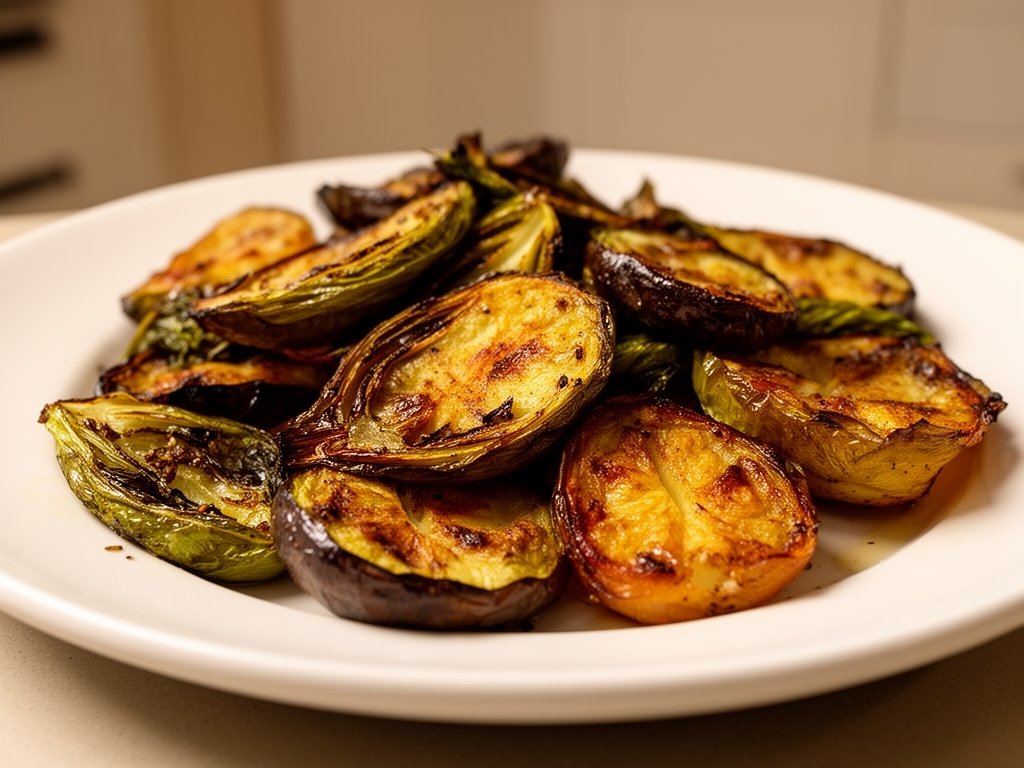
Store cooled roasted vegetables in an airtight glass container in the fridge for up to 5 days—they retain crispness better chilled promptly. Layer with parchment to prevent sticking, preserving that fresh-roast vibe.
For freezing, portion into freezer bags, squeezing out air; they keep 2-3 months. Thaw overnight in fridge before reheating to avoid mush—roasted vegetables freeze well due to low water content post-cooking.
Reheat in a 400°F oven for 10-15 minutes on a fresh sheet pan to recrisp edges; stir halfway. Avoid microwave sogginess—oven revives sheet pan dinners texture best.
Food safety: Cool within 2 hours of cooking, refrigerate below 40°F. Reheat to 165°F internally; discard if off-smelling. These tips keep roasted vegetables safe and delicious.
Conclusion
These roasted vegetables are a game-changer—simple, flavorful, and versatile enough for any night. With crispy bites and natural sweetness, they make healthy eating irresistible.
Try them tonight; your taste buds will thank you. Pin this recipe, share your twists, and tag me in your crispy creations!
FAQs
Can I make roasted vegetables ahead for meal prep?
Absolutely—these hold up great for 4-5 days in the fridge. Portion into containers with proteins like chicken for grab-and-go lunches. Reheat in the oven to maintain crispness, turning them into effortless sheet pan dinners all week.
What if I don’t have smoked paprika for roasted vegetables?
No worry—regular paprika or a pinch of chili powder works fine. For smokiness, add a dash of liquid smoke to the oil. This keeps the earthy depth without altering the recipe’s balance.
How do I get extra crispy roasted vegetables?
Pat veggies bone-dry before oiling, use a hot preheated pan, and avoid overcrowding. Cornstarch sprinkle (1 tsp per lb) absorbs moisture for ultra-crunchy results in your next batch.
Are roasted vegetables freezer-friendly?
Yes, freeze in single layers on a sheet first, then bag for 2-3 months. Thaw in fridge and oven-reheat at 425°F for 12 minutes—perfect for stocking up on healthy sides.
Can I add protein to make this a full sheet pan dinners meal?
Definitely—toss in chickpeas midway or flank steak slices in the last 10 minutes. Chicken thighs work too; season similarly for cohesive flavors with roasted vegetables.
What substitutions for asparagus in roasted vegetables?
Zucchini, green beans, or cauliflower shine—add in the second roast phase. Pat zucchini dry to match tenderness without excess water.
Why are my roasted vegetables soggy?
Likely overcrowding or low heat. Spread thinly, roast at 425°F, and stir. Dry veggies pre-toss prevents steaming for crisp perfection.
How to scale roasted vegetables for a crowd?
Double ingredients on two sheets; rotate midway. Keep cuts uniform—feeds 12 easily without sacrificing that signature char.
Are roasted vegetables good cold?
Yes, chilled they add crunch to salads or wraps. Mix with grains and feta for a vibrant lunch bowl straight from the fridge.
Can I use frozen veggies for roasted vegetables?
Possible but not ideal—no need to thaw, just add 5 extra minutes and toss well. Fresh yields better texture, but frozen works in pinches for quick sheet pan dinners.