Imagine waking up to the aroma of a fluffy, golden breakfast casserole straight from the oven, loaded with colorful veggies, creamy cheese, and tender eggs that melt in your mouth. It’s the kind of dish that turns chaotic mornings into something special, whether you’re feeding a hungry family or prepping for a busy week ahead. This breakfast casserole has become my go-to because it’s incredibly versatile—you can bake it as a big dish or transform it into grab-and-go egg muffins, making it perfect for brunch, holidays, or meal prep.
Table of Contents
What sets this breakfast casserole apart is its simplicity paired with bold flavors. Eggs form the custardy base, while diced bell peppers, spinach, onions, and mushrooms add a fresh, earthy crunch. Shredded cheddar brings that irresistible meltiness, and a touch of seasoning elevates everything without overpowering. It’s ready in under 30 minutes, freezer-friendly, and endlessly adaptable to what’s in your fridge. No more boring breakfasts—this casserole delivers satisfaction every time.
I’ve made this breakfast casserole for weekend gatherings, and it always disappears fast. Guests love how it combines the comfort of a hearty bake with the lightness of veggie-packed bites. Whether you’re a novice cook or a kitchen pro, its foolproof method ensures perfect results. Pair it with fresh fruit for balance, and you’ve got a meal that fuels your day deliciously.
The beauty of this recipe lies in its flexibility. Craving more protein? Add diced chicken. Love spice? A dash of chili flakes does the trick. This breakfast casserole isn’t just food—it’s a canvas for your cravings, proving that easy recipes can taste gourmet.
Ingredients for Breakfast Casserole
Choosing the right ingredients is key to a standout breakfast casserole. Fresh eggs provide structure and richness, while colorful veggies like bell peppers and spinach infuse natural sweetness and nutrients without sogginess. Cottage cheese blends in for creaminess, mimicking the texture of fancier egg dishes but keeping it budget-friendly. These picks ensure every bite bursts with flavor and stays light yet filling.
I opt for sharp cheddar for its bold melt and feta for tangy pops that cut through the eggs. Pre-chopped frozen veggies work in a pinch for speed, but fresh ones yield the best texture in your breakfast casserole. Seasonings like garlic powder and salt tie it all together, creating harmony without complexity.
For the Egg Base (makes 12 servings or 12 muffins):
– 10 large eggs
– ½ cup full-fat cottage cheese
– ½ teaspoon salt
– ¼ teaspoon black pepper
– ½ teaspoon garlic powder
– ½ teaspoon onion powder
Veggie and Cheese Mix-Ins (about 1½ cups total, divided evenly):
– ½ cup diced red bell pepper
– ½ cup diced green bell pepper
– ½ cup diced yellow onion
– 1 cup packed baby spinach, roughly chopped
– ½ cup diced mushrooms
– 1 cup shredded sharp cheddar cheese, divided
– ¼ cup crumbled feta cheese (optional for extra tang)
Shopping Tips: Look for pasture-raised eggs for richer yolks. Buy block cheese and shred it yourself to avoid anti-caking agents. Sub spinach with kale (stems removed) or zucchini for moisture control. If mushrooms are unavailable, try diced tomatoes—drain well to prevent watery casserole. For chicken lovers, add 1 cup cooked diced chicken breast as a mix-in swap.
Equipment Needed
A few essential tools make assembling this breakfast casserole a breeze, ensuring even baking and easy release. A non-stick muffin tin shines for muffin versions, preventing sticking without excess oil. A blender or food processor creates a silky egg base by pureeing cottage cheese smoothly, avoiding lumps that could ruin texture.
Preheat your oven reliably with an oven thermometer if needed. These pieces keep the process efficient for busy mornings.
– Non-stick 12-cup muffin tin or 8×8-inch baking dish (for casserole style)
– Blender or food processor
– Large mixing bowl
– Whisk or spatula
– Cutting board and sharp knife
– Measuring cups and spoons
– Cooking spray or silicone muffin liners
– Wire cooling rack
Prep Time & Cook Time
Prep Time: 10 minutes
Cook Time: 18 minutes
Total Time: 28 minutes
Servings: 12 muffins or squares
Difficulty Level: Easy
Timing is everything for a perfect breakfast casserole—quick prep means you can whip it up fresh or ahead. Chop veggies finely for even cooking, and don’t skip blending the eggs for that custardy texture. Bake just until set to avoid dryness; they’ll puff then settle beautifully.
Step-by-Step Instructions for Egg Muffins or Casserole
This breakfast casserole shines in both formats: muffin tins for portability or a baking dish for family-style. Start by prepping mix-ins to infuse flavors deeply. Blending ensures a smooth base, while layering prevents sinking. These steps guarantee fluffy results every time, with tips for customization.
1. Preheat your oven to 375°F (190°C). Generously spray a 12-cup non-stick muffin tin or 8×8-inch baking dish with cooking spray. This prevents sticking, especially important for muffin-style breakfast casserole. If using silicone liners, place them in the tin for effortless removal. Gather all veggies and cheeses nearby for smooth workflow—about 5 minutes total prep here keeps things speedy.
2. Dice the red bell pepper, green bell pepper, yellow onion, and mushrooms into small ¼-inch pieces. This size ensures they cook evenly without overpowering the eggs in your breakfast casserole. Roughly chop the baby spinach. Sauté veggies in a skillet with 1 teaspoon olive oil over medium heat for 4-5 minutes until softened but still vibrant—no mushiness wanted. Season lightly with a pinch of salt. Let cool slightly.
3. In a blender or food processor, add 10 large eggs, ½ cup cottage cheese, ½ teaspoon salt, ¼ teaspoon black pepper, ½ teaspoon garlic powder, and ½ teaspoon onion powder. Blend on high for 30 seconds until frothy and smooth. This step incorporates air for fluffiness and melts cottage cheese seamlessly, elevating your egg muffins or casserole texture.
4. Stir ¾ cup shredded cheddar into the cooled veggie mix. Divide this mixture evenly among the muffin cups (about 2 tablespoons per cup) or spread into the baking dish. Pour the egg mixture over, filling muffin cups ¾ full or covering veggies completely. The eggs will puff during baking—don’t overfill to avoid spills.
5. Sprinkle remaining ¼ cup cheddar and ¼ cup feta (if using) on top. This creates a golden, crispy top for your breakfast casserole. Gently tap the tin to release air bubbles, ensuring even rising. Slide into the preheated oven on the middle rack.
6. Bake for 15-18 minutes for muffins or 20-25 minutes for casserole form. Check doneness: centers should be set but slightly jiggly, with golden edges. Overbaking leads to rubbery texture—pull them out promptly. They’ll firm up as they cool, mimicking perfect egg muffins.
7. Remove from oven and let rest 5 minutes in the tin. This allows structure to set, making release easy. For muffins, run a knife around edges if needed. Transfer to a wire rack to cool fully—prevents sogginess. Your breakfast casserole is now ready to devour warm.
8. Customize mid-way: After 10 minutes baking, add extra cheese if desired for ultra-gooey results. For spicier egg muffins, sprinkle chili flakes pre-bake. These tweaks keep the dish exciting without altering core timing.
9. Slice the casserole into squares if baked dish-style. Each portion mirrors muffin convenience. Taste-test one warm bite—the blend of creamy eggs, crisp veggies, and melty cheese is pure magic.
10. Cool completely before storing. This breakfast casserole reheats like a dream, staying moist thanks to cottage cheese. You’ve just mastered a versatile recipe!
11. Pro variation: For sous-vide style egg muffins, blend extra cottage cheese into the base and bake in a water bath at 300°F for 25 minutes—ultra-silky results.
12. Serve immediately or portion for grabs. This method ensures your breakfast casserole stays fresh-tasting for days.
Nutritional Information
This breakfast casserole packs a nutrient punch, starting with high-quality protein from eggs and cottage cheese—about 12g per serving keeps you full till lunch. Veggies contribute fiber for digestion, while low carbs make it energizing without crashes.
Vitamins abound: Bell peppers deliver vitamin C for immunity, spinach offers iron and folate, mushrooms provide B vitamins. Cheese adds calcium for bones. At around 120 calories per muffin, it’s balanced and wholesome.
Macronutrients shine: Roughly 10g protein, 8g fat, 4g carbs per serving. Antioxidants from colorful produce fight inflammation, making this casserole a smart daily choice.
Estimated Values Per Serving (1 muffin or square):
Calories: 120
Protein: 10g
Fat: 8g
Carbs: 4g
Fiber: 1g
Sugar: 2g
Sodium: 250mg
Serving Suggestions & Variations
Elevate your breakfast casserole with fresh sides like sliced avocado and cherry tomatoes for creamy contrast and brightness. A side of Greek yogurt parfait adds protein layers, turning it into a complete brunch spread.
Seasonal twists keep it exciting—summer? Swap peppers for zucchini and corn. Winter calls for broccoli and cauliflower. These changes maintain the casserole’s structure while highlighting fresh produce.
Try air fryer variations: Bake egg muffins at 350°F for 12 minutes, crispier edges without oven preheat. Slow cooker method: Layer in a 4-quart cooker on low 2 hours for hands-off holidays.
Ingredient swaps abound: Use mozzarella for milder cheese, or diced turkey for meaty boost. Serve over quinoa for grain lovers, pairing perfectly with herbal tea.
Expert Tips & Tricks for Perfect Breakfast Casserole
Mastering this breakfast casserole comes down to technique—here’s how pros nail it every time. Focus on fresh ingredients and precise timing for restaurant-quality results at home.
1. Finely chop veggies to ¼-inch for even cooking in your breakfast casserole. Larger pieces release excess moisture, leading to watery eggs. Sauté first to caramelize onions subtly, boosting flavor depth without raw bite.
2. Blend eggs vigorously—30 seconds minimum—for airy texture in egg muffins or casserole. This incorporates air bubbles that expand beautifully, mimicking soufflé lightness. Skip if whisking by hand, but expect slight lumps from cottage cheese.
3. Use room-temperature eggs and cheese. Cold ingredients slow setting, risking uneven bake in breakfast casserole. Let sit 10 minutes post-fridge for fluffier rise and smoother blend.
4. Don’t skip the rest period—5 minutes post-bake firms structure. Rushing removal causes deflation or sticking in your breakfast casserole muffins. Wire rack cooling prevents bottom sogginess.
5. Amp up cheese ratios for gooeyness: 1.5 cups total transforms ordinary into indulgent breakfast casserole. Mix sharp cheddar with gouda for nutty notes—melts dreamily.
6. Freeze unbaked portions: Assemble muffin tin, cover tightly, freeze up to a month. Bake from frozen at 375°F, adding 5 minutes. Ideal for breakfast casserole meal prep.
7. Season mix-ins separately before combining. A pinch of smoked paprika on veggies adds smoky depth to egg muffins without overpowering the base.
8. Test oven hot spots with a spare muffin. Rotate halfway for uniform golden tops on your breakfast casserole—prevents pale or overdone edges.
9. Silicone muffin cups are game-changers—no spray needed, pop out perfectly. For metal tins, butter plus flour dusting ensures flawless release every time.
Common Mistakes to Avoid
Overfilling muffin cups leads to overflow in breakfast casserole—fill only ¾ full as eggs expand. Solution: Measure evenly with a scoop, tap to settle.
Skipping veggie sauté results in crunchy bits. Raw onions overpower eggs. Always cook 4-5 minutes first for tender, flavorful integration.
Blending too briefly leaves cottage cheese curds, ruining smoothness in egg muffins. Pulse 30-45 seconds until velvety—taste for seasoning.
Baking too long dries out the breakfast casserole. Pull at slight jiggle; residual heat finishes it. Overdone equals rubbery texture.
Using wet veggies straight from wash dilutes eggs. Pat dry thoroughly or spin in a towel—prevents steamed, soggy results.
Ignoring non-stick prep sticks muffins fast. Spray generously or line; older tins need oil brush for foolproof release.
Over-seasoning base masks veggie freshness. Salt lightly—veggies add natural savoriness to balanced breakfast casserole.
Rushing cool-down causes breakage. Let rest 5 minutes minimum; handle gently when transferring.
Storage & Reheating Instructions
Store cooled breakfast casserole in an airtight container in the fridge up to 5 days. Layer parchment between layers to prevent sticking, keeping egg muffins fresh and moist.
Freezer storage shines: Place muffins or squares on a tray to freeze individually first, then bag up to 3 months. Thaw overnight in fridge for best texture—no mush from microwave defrost.
Reheat gently—microwave one muffin 30-60 seconds on medium power, covered with a damp towel for steam. Oven at 325°F for 10 minutes revives crisp tops on full casserole.
Food safety first: Cool fully before storing to avoid condensation. Reheat to 165°F internal temp. Discard if off-smells develop.
Conclusion
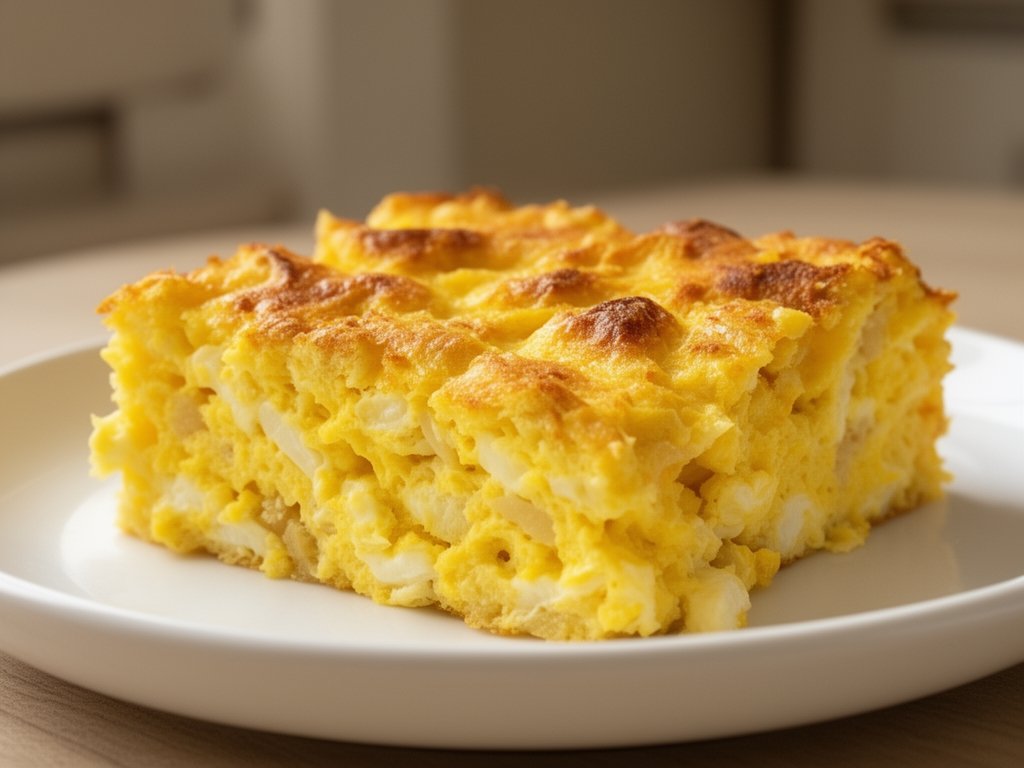
This breakfast casserole is a game-changer for effortless, delicious mornings. Its veggie-packed, cheesy goodness satisfies without fuss, whether as fluffy muffins or a bubbly bake.
Versatile for any occasion, it preps fast and freezes flawlessly. Try it tomorrow—you’ll wonder how you lived without such a reliable recipe.
Make a batch today and share your twists. Your family will thank you!
FAQs
Can I make this breakfast casserole ahead of time?
Absolutely—assemble, bake, and store up to 5 days in the fridge or freeze 3 months. Reheat in microwave or oven for fresh-tasting egg muffins. Perfect for weekly meal prep without flavor loss.
What if I don’t have a muffin tin for egg muffins?
No problem—use an 8×8 baking dish for classic casserole style. Bake 20-25 minutes until set. Cut into squares mimicking muffin portions for easy serving.
How do I add meat to this breakfast casserole?
Incorporate 1 cup cooked diced chicken or turkey into sautéed veggies. Pre-cook fully to avoid excess moisture. Boosts protein while keeping the light veggie vibe intact.
Are there gluten-free options for this recipe?
Yes, it’s naturally gluten-free with eggs, cheese, and veggies. Double-check labels on seasonings. Silicone liners ensure worry-free baking for egg muffins.
Can I use different cheeses in the breakfast casserole?
Swap cheddar for mozzarella, goat cheese, or pepper jack. Aim for 1-1.5 cups total for meltiness. Feta adds tang—experiment for personalized flavor profiles.
How do I prevent watery egg muffins?
Sauté and drain veggies well before mixing. Pat spinach dry. Bake promptly—excess moisture evaporates during cooking for firm, flavorful results.
Is this breakfast casserole suitable for freezing unbaked?
Yes—fill tin, freeze solid, then transfer to bags. Bake from frozen at 375°F, adding 5-7 minutes. Convenient for surprise guests or rushed mornings.
What sides pair best with egg muffins from this casserole recipe?
Fresh fruit salad, avocado toast, or yogurt bowls balance richness. Whole-grain toast adds heartiness—creates a complete, colorful breakfast plate.
Can I scale up for a crowd?
Double ingredients for 24 servings in two tins or a 9×13 dish. Bake times similar; watch closely. Ideal for brunches—prep night before.
How long does breakfast casserole last in the freezer?
Up to 3 months for peak quality. Label bags with dates. Thaw in fridge, reheat thoroughly—maintains texture like day-one freshness.