Have you ever woken up craving something warm, golden, and utterly indulgent that feels like a hug from your favorite brunch spot? That’s exactly what these french toast recipes deliver every single time. Picture thick slices of bread soaked in a creamy custard, crisped to perfection on the griddle, and bursting with that irresistible sweet-spicy aroma. I’ve been making french toast recipes like this for years, tweaking them for family weekends and lazy mornings, and this version—our ultimate cinnamon french toast twist—has become my go-to.
Table of Contents
What sets these french toast recipes apart is their foolproof simplicity paired with restaurant-quality results. No fancy equipment or hours in the kitchen required; just everyday ingredients transformed into fluffy, custardy bliss. The secret lies in the custard blend of eggs, milk, and cream, enriched with vanilla and a generous hit of cinnamon for that cozy depth. It’s perfect for holidays, sleepovers, or just elevating a Tuesday breakfast. Whether you’re a beginner or a seasoned home cook, these french toast recipes promise crispy edges, soft centers, and flavors that linger.
I remember the first time I nailed this cinnamon french toast for a crowd—everyone raved, asking for seconds before the syrup even hit the table. It’s versatile too, adapting to seasonal fruits or pantry staples without losing its magic. Dive into these french toast recipes, and you’ll see why they’ve earned a permanent spot in my rotation. Ready to make mornings magical?
Ingredients for French Toast Recipes
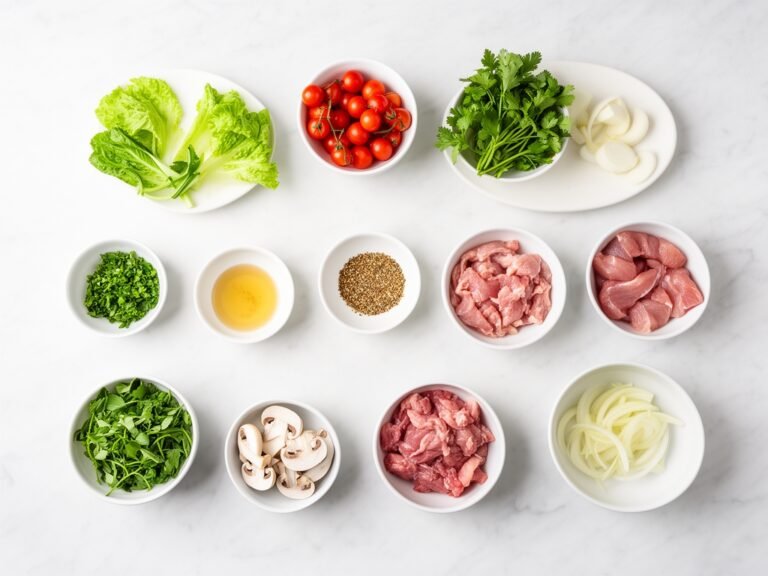
Choosing the right ingredients is key to french toast recipes that wow. Opt for sturdy bread like thick-sliced whole wheat or brioche—it holds up to the custard without turning mushy, creating that perfect contrast of crisp outside and pillowy inside. Fresh eggs provide structure and richness, while milk and cream ensure a velvety soak. Cinnamon adds warmth, tying everything into classic cinnamon french toast territory.
These selections shine because they’re balanced: honey for natural sweetness, vanilla for aroma, and a touch of salt to enhance flavors. No need for specialty items; they’re all easy to find and work in harmony for foolproof french toast recipes. I’ve tested variations, and this combo yields the most consistent, crowd-pleasing results every time.
For the Custard (makes enough for 8 slices):
– 4 large eggs
– 3/4 cup whole milk
– 1/2 cup heavy cream (or half-and-half for a lighter option)
– 2 tablespoons honey
– 1 teaspoon vanilla extract
– 1 teaspoon ground cinnamon
– 1/2 teaspoon salt
For the Bread and Cooking:
– 8 slices thick-cut whole wheat or brioche bread (1/2-inch thick; day-old is ideal)
– 4 tablespoons unsalted butter, melted (divided)
– Optional toppings: Fresh berries, maple syrup, powdered sugar
Substitution Notes: Swap honey with maple syrup if you prefer a deeper flavor. Use almond milk for dairy-free, but note it may alter creaminess. If brioche isn’t available, Challah works beautifully. For gluten-free, choose sturdy gluten-free bread and test a slice first.
Shopping Tips: Pick bread from the bakery section for freshness—avoid super-soft sandwich loaves. Buy eggs in the largest size for best custard volume. Ground cinnamon should smell potent; if it’s old, grind fresh sticks for vibrancy.
Equipment Needed
A few reliable tools make french toast recipes a breeze, ensuring even cooking and easy cleanup. A wide skillet or griddle distributes heat perfectly for golden edges without overcrowding. A mixing bowl and whisk create a smooth custard quickly, while a shallow dish lets bread soak efficiently without sogginess.
Tongs or a spatula flip slices effortlessly, preventing breakage. These basics elevate your french toast recipes from good to gourmet.
– Large mixing bowl
– Whisk or immersion blender
– Shallow casserole dish or pie plate (for dipping)
– 12-inch non-stick skillet or electric griddle
– Tongs or wide spatula
– Measuring cups and spoons
– Baking sheet (for keeping batches warm)
Prep Time & Cook Time
Prep Time: 10 minutes
Cook Time: 20 minutes
Total Time: 30 minutes
Servings: 4 (2 slices per person)
Difficulty: Easy
Timing is everything in french toast recipes—prep flies by with quick whisking and slicing, while cooking low and slow builds flavor without rushing. Prep ahead by mixing custard the night before for even faster mornings. These short times mean fresh, hot stacks ready before coffee brews.
Step-by-Step Instructions for Cinnamon French Toast
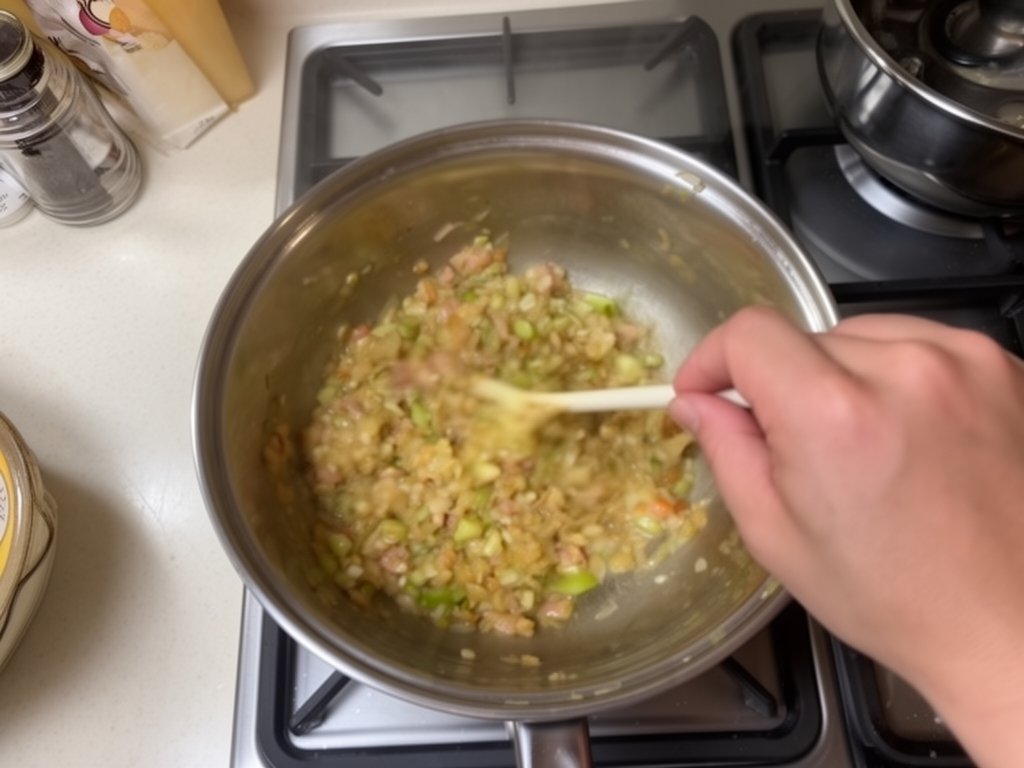
Mastering cinnamon french toast starts with patience: dry bread absorbs custard best, and gentle heat yields crisp results. These steps build layers of flavor, from spiced soak to buttery sear. Follow closely for french toast recipes that rival any diner.
1. If your bread is fresh, slice it into 1/2-inch thick pieces and let it air-dry on a rack for 1-2 hours, or toast lightly in a 200°F oven for 15 minutes. This prevents sogginess in your french toast recipes, creating the ideal texture contrast—crispy outside, custardy inside. Pro tip: Stale bread works best here.
2. In a large bowl, crack 4 eggs and whisk vigorously for 30 seconds until frothy. This incorporates air for lighter cinnamon french toast. Add milk, cream, honey, vanilla, cinnamon, and salt next.
3. Continue whisking until smooth, about 1 minute—no lumps! Taste the custard; it should be sweetly spiced. For extra silkiness in french toast recipes, use an immersion blender. Let it rest 5 minutes for flavors to meld.
4. Pour custard into a shallow dish. Dip one bread slice for 15 seconds per side, pressing gently to absorb without breaking. Transfer to a plate. Repeat for 2-4 slices max—don’t overcrowd, or they’ll steam instead of crisp in your french toast recipes.
5. Heat skillet over medium-low (about 325°F if using a griddle). Add 1 tablespoon melted butter, swirling to coat. Place soaked slices in pan, nestling them flat.
6. Cook undisturbed for 2-3 minutes until golden-brown edges form and bottom is crisp. Peek with spatula—low heat ensures even browning for perfect cinnamon french toast. Flip carefully with tongs.
7. Cook second side 2-3 minutes more, adding a tiny butter pat on top for extra richness. Press lightly for even contact. Remove when both sides are deep gold—total 4-6 minutes per batch.
8. Transfer finished slices to a baking sheet in a 200°F oven to stay warm and crisp while repeating steps 4-7 for remaining bread. Refresh custard with a stir between batches in french toast recipes.
9. Dust with powdered sugar if desired, or stack immediately. The oven step keeps every piece hot, mimicking restaurant-style cinnamon french toast service.
10. Serve right away with warm maple syrup and berries. Squeeze test: Press gently; if custard oozes slightly, it’s perfectly done. Total cook time flies with practice.
11. For thicker stacks in french toast recipes, cut bread diagonally post-cook for visual appeal and better syrup pooling.
12. Clean pan between batches with a paper towel—no soap needed to preserve non-stick.
Nutritional Information
French toast recipes like this pack balanced nutrition, blending protein from eggs with carbs from whole wheat bread for sustained energy. Each serving delivers about 12g protein, keeping you full longer than sugary cereals. Cinnamon aids blood sugar control, adding subtle health perks.
Vitamins shine too: Eggs provide B12 and choline for brain health, while milk and cream offer calcium for bones. Berries boost antioxidants, making cinnamon french toast a smart indulgence. Whole grains contribute fiber for digestion.
Opt for real maple syrup in moderation—it’s lower glycemic than fake versions. This setup fuels active mornings without crashes, proving french toast recipes can nourish and delight.
Per serving (2 slices, plain):
Calories: 380
Protein: 12g
Carbs: 35g (Fiber: 4g)
Fat: 20g (Saturated: 10g)
Vitamins: Vitamin A 20%, Calcium 15%, Iron 10%
Serving Suggestions & Variations
Elevate french toast recipes with fresh strawberry slices and a whipped cream dollop—summer vibes in every bite. Pair with scrambled eggs and turkey bacon for a hearty brunch spread. The cinnamon french toast shines here, its spice complementing tart fruits.
For fall, top with sautéed apples and pecans, drizzled in maple. Winter calls for poached pears and yogurt. These pairings keep french toast recipes exciting year-round.
Try baked variation: Soak and layer in a dish overnight, bake at 350°F for 30 minutes—hands-off for crowds. Grill outdoors for smoky twists.
Swap bread for croissants in french toast recipes, or add nutmeg to custard for depth. Fruit purees like blueberry work as syrup alternatives, keeping it fresh.
Expert Tips & Tricks for French Toast Recipes
Unlock pro-level french toast recipes with these insider secrets. Focus on bread prep and heat control for flawless results every time.
1. Always dry bread first—overnight on a rack or low oven. This absorbs 30% more custard without falling apart, yielding superior texture in french toast recipes. Skip for chewy fails.
2. Whisk custard aggressively; bubbles mean lightness. Rest 10 minutes post-mix so cinnamon blooms fully, elevating cinnamon french toast flavor depth.
3. Medium-low heat is non-negotiable—high burns sugar fast. Test with water drop; sizzle without smoke means ready for french toast recipes.
4. Butter generously but sparingly; melted edges crisp better. Tilt pan to baste tops midway for even gold in every batch.
5. Don’t oversoak—15 seconds max per side. Excess liquid steams bread, ruining crunch in french toast recipes. Plate extras immediately.
6. Warm oven at 200°F keeps stacks perfect. Add a rack over sheet for air flow, preventing sogginess while finishing cinnamon french toast.
7. Freshly grate nutmeg into custard for floral notes complementing cinnamon. Enhances aroma without overpowering french toast recipes.
8. For stuffed versions, spread cream cheese pre-soak. Seals fillings inside for gourmet surprises.
9. Use clarified butter for higher smoke point if needed, keeping french toast recipes dairy-forward and crisp.
Common Mistakes to Avoid
Overcrowding the pan steams slices instead of searing them—cook in small batches for crisp french toast recipes. Solution: Limit to 2-3 per skillet, heat fully between.
Using fresh soft bread leads to mush—always dry or stale it first. This absorbs custard evenly; fix by toasting lightly next time.
Whisking insufficiently leaves eggy lumps—beat 1 full minute until frothy. Smooth custard ensures uniform cinnamon french toast.
Too-high heat blackens edges fast—stick to medium-low, 4-6 minutes total. Monitor with spatula lifts.
Skipping salt dulls flavors—1/2 tsp balances sweetness in french toast recipes. Always include.
Overdipping soaks too much, causing breakage—15 seconds max. Pat excess before pan.
Not preheating fully means uneven cook—wait until butter shimmers. Test readiness.
Cold toppings kill heat—warm syrup and fruit separately for hot stacks.
Storage & Reheating Instructions
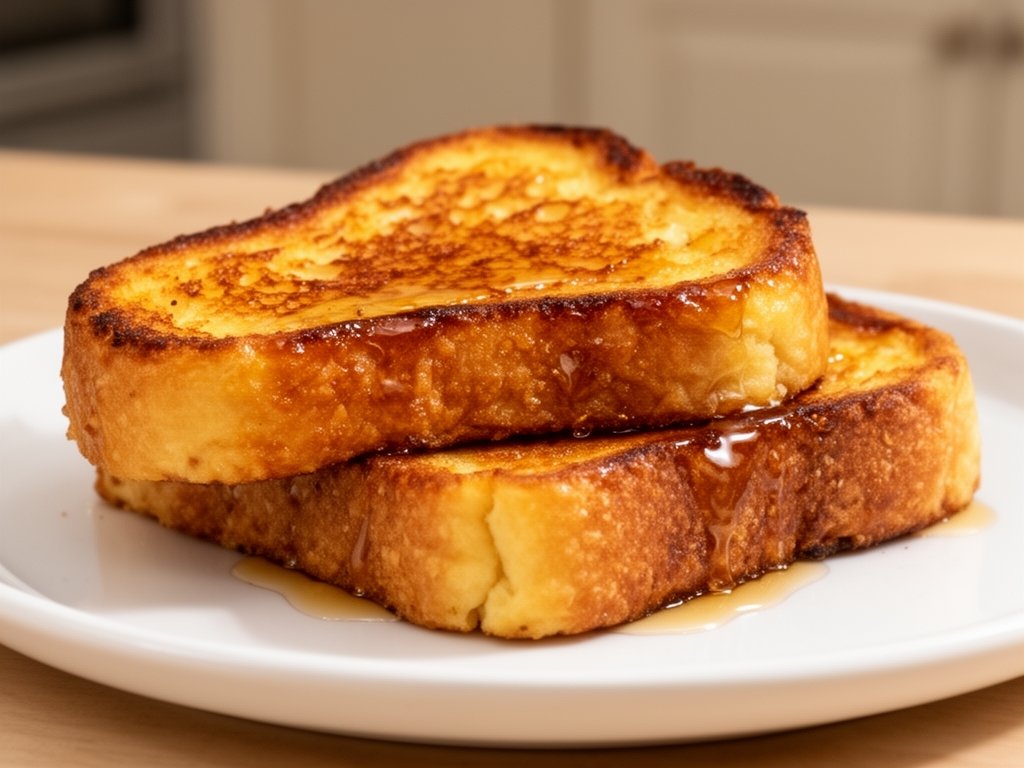
Store leftover french toast recipes in an airtight container in the fridge up to 3 days. Layer with parchment to prevent sticking; they reheat beautifully without losing crispness.
Freezer bags work for up to 2 months—cool fully first, then flatten stacks. Label with date for easy grabs, keeping french toast recipes handy for quick meals.
Reheat in toaster or 350°F oven for 5 minutes, flipping halfway—restores crunch better than microwave, which softens. Air fryer at 360°F shines for cinnamon french toast.
Food safety first: Thaw frozen overnight in fridge, reheat to 165°F internal. Avoid room temp over 2 hours.
Conclusion
These french toast recipes are a game-changer—simple, delicious, and endlessly adaptable for any occasion. The cinnamon french toast magic lies in that perfect custard soak and buttery sear, turning breakfast into a treat.
Whip them up this weekend and watch smiles spread. You’ve got this—share your twists and tag us!
FAQs
Can I make french toast recipes ahead for a crowd?
Yes! Prep custard night before and refrigerate. Soak bread morning-of, or assemble stacks, cover, and bake later at 350°F for 25 minutes. Keeps flavor fresh for brunch without last-minute rush.
What’s the best bread for cinnamon french toast?
Thick whole wheat, brioche, or Challah—sturdy types hold custard best. Avoid thin slices; they disintegrate. Day-old ensures perfect absorption for fluffy results.
How do I fix soggy french toast recipes?
Dry bread longer or cook hotter initially to evaporate excess. Low-and-slow after. Next batch, dip briefly—quality over quantity in soak time.
Are there vegan options for these french toast recipes?
Swap eggs with flax “eggs” (3 tbsp flax + 9 tbsp water), use plant milk and coconut cream. Cinnamon stays key for flavor—tastes indulgent still.
How long do french toast recipes last in the freezer?
Up to 2 months tightly wrapped. Thaw in fridge, reheat oven-style for crispness. Great for meal prep without quality drop.
Can I add fruit inside cinnamon french toast?
Absolutely—slice pockets, fill with bananas or berries pre-soak. Cook sealed; they burst juicy. Dust sugar post-cook.
Why is my custard clumpy in french toast recipes?
Spices weren’t blended well—use blender or sift first. Whisk longer next time for silkiness enhancing every bite.
Scaling up french toast recipes for 8 people?
Double everything; use larger bowl and griddle. Cook in shifts, oven-warm. Custard scales perfectly—no adjustments needed.
Best syrup for cinnamon french toast?
Pure maple—warm it gently. Homemade berry reduction adds zing without overpowering spice profile.