Have you ever fired up the grill on a warm evening and wondered how to make your cookout truly unforgettable? Imagine the sizzle of fresh produce hitting those hot grates, releasing smoky aromas that draw everyone outside. That’s the magic of grilled recipes—they transform simple ingredients into bursts of flavor with minimal effort. These dishes shine with caramelized edges and tender insides, perfect for summer barbecues, weeknight dinners, or casual gatherings.
Table of Contents
What sets these grilled recipes apart is their versatility and ease. You don’t need fancy skills; just a hot grill and quality veggies. The heat brings out natural sugars, creating that irresistible char without extra fats. Pair them with chicken or fish for a complete meal that’s light yet satisfying. I’ve made these countless times, and they never fail to impress friends who beg for the recipe.
Exploring grilled vegetables opens a world of nutrition too. They retain more vitamins like C, E, and K compared to boiling, while the smoky taste encourages bigger portions. Whether you’re aiming for healthy sides or standalone stars, these recipes fit any occasion. Summer picnics call for vibrant skewers, while fall dinners pair them with roasted chicken.
The best part? These grilled recipes are beginner-friendly, ready in under 30 minutes. No marinating overnight—just chop, season, and grill. They celebrate seasonal produce, making every bite fresh and exciting. Dive in, and you’ll see why grilling veggies is my go-to for effortless, crowd-pleasing meals that feel indulgent without the guilt.
Ingredients for Grilled Recipes
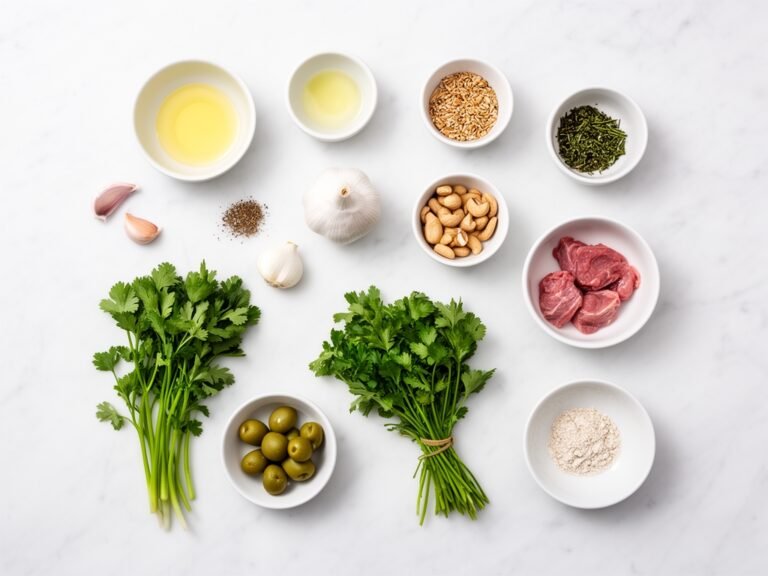
Choosing ingredients for these grilled recipes is all about fresh, firm produce that holds up to high heat. Zucchini, bell peppers, and asparagus are stars because they caramelize beautifully, developing sweet, smoky notes. These veggies release moisture slowly, preventing sogginess while locking in nutrients like vitamins and fiber.
Opt for colorful varieties—red onions, yellow squash, eggplant—for visual appeal and diverse antioxidants. Firm textures ensure even cooking in your grilled recipes. A simple olive oil toss enhances flavors without overpowering. Herbs like rosemary and garlic add depth, complementing the grill’s char.
For the Vegetables (serves 6 as a side):
– 2 medium zucchini, sliced into 1/2-inch rounds (about 1 lb)
– 2 red bell peppers, seeded and cut into 1-inch strips
– 2 yellow bell peppers, seeded and cut into 1-inch strips
– 1 large eggplant, sliced into 1/2-inch rounds (about 1 lb)
– 1 bunch asparagus, trimmed (about 1 lb)
– 1 large red onion, cut into wedges
– 2 cups cherry tomatoes, halved
For the Marinade:
– 1/4 cup extra-virgin olive oil
– 3 garlic cloves, minced
– 2 tbsp fresh lemon juice
– 2 tsp dried oregano
– 1 tsp smoked paprika
– Salt and black pepper, to taste
– Fresh rosemary sprigs (optional, for grilling)
Substitution notes: Swap zucchini for yellow squash if unavailable; it grills similarly. Use portobello mushrooms instead of eggplant for meatier texture. For milder flavor, replace smoked paprika with regular. Shopping tips: Pick shiny, heavy veggies at farmers’ markets for peak freshness. Buy organic if possible to minimize pesticides.
Equipment Needed
For standout grilled recipes, the right tools make all the difference. A sturdy grill—gas or charcoal—provides even heat for perfect char. Tongs prevent piercing veggies, keeping juices inside, while a grill basket catches small pieces like tomatoes.
Essential Tools:
– Grill (gas or charcoal)
– Long metal tongs
– Grill basket or skewers (metal preferred)
– Pastry brush (for marinade)
– Sharp chef’s knife
– Cutting board
– Large mixing bowl
– Measuring cups and spoons
– Aluminum foil (optional for cleanup)
These items ensure safe, efficient grilling without frustration.
Prep Time & Cook Time
Prep Time: 15 minutes
Cook Time: 12-15 minutes
Total Time: 30 minutes
Servings: 6
Difficulty: Easy
Timing is key in these grilled recipes. Prep ahead by slicing veggies uniformly for even cooking—aim for 1/2-inch thickness. Preheat the grill fully to medium-high (about 400°F) to sear without steaming. Watch closely during the last minutes to avoid over-charring, which can make edges bitter.
Step-by-Step Instructions for Grilled Vegetables
Mastering grilled vegetables starts with preparation and heat control. These steps turn everyday produce into smoky delights for your favorite grilled recipes. Uniform cuts ensure quick, even cooking, while a light marinade boosts flavor without sogginess.
1. Preheat your grill to medium-high heat (400-450°F). Clean and oil the grates well to prevent sticking—this takes about 10 minutes and is crucial for flawless grilled recipes. Test readiness by holding your hand 5 inches above; it should feel hot after 3-4 seconds.
2. Wash all vegetables thoroughly under cool water, then pat dry with paper towels. Dry surfaces promote better charring in these grilled recipes, enhancing smoky flavors.
3. Slice zucchini, eggplant, and onion into 1/2-inch thick pieces. Cut bell peppers into 1-inch strips and trim asparagus ends. Halve cherry tomatoes. Consistency here prevents uneven cooking times.
4. In a large bowl, whisk together olive oil, minced garlic, lemon juice, oregano, smoked paprika, salt, and pepper. This marinade infuses bright, herby notes perfect for grilled vegetables.
5. Add all prepped veggies to the bowl. Toss gently to coat evenly, letting them marinate for 10 minutes at room temperature. Avoid over-tossing to keep pieces intact.
6. Thread smaller items like tomatoes and onions onto skewers or use a grill basket. This setup simplifies flipping and ensures nothing falls through the grates in your grilled recipes.
7. Place larger slices like zucchini and eggplant directly on the oiled grates. Grill for 4-5 minutes per side, using tongs to flip once golden char marks appear.
8. Add bell peppers and asparagus to the grill. Cook peppers 3-4 minutes per side until tender-crisp; asparagus needs just 2-3 minutes total, rotating for even char. Keep an eye on thinner pieces to avoid burning.
9. Grill skewered veggies or basket contents for 5-6 minutes, turning every 2 minutes. The key to great grilled vegetables is slight tenderness with bite—don’t overcook.
10. Remove everything to a platter as done. Toss lightly with any remaining marinade and fresh herbs. Let rest 2 minutes to redistribute juices before serving your stunning grilled recipes.
11. Check for doneness: Veggies should have vibrant color, grill marks, and fork-tender texture. If needed, return to grill for 1 more minute.
12. Serve immediately for peak flavor, garnished with lemon wedges.
Nutritional Information
These grilled recipes pack a nutrient punch. Grilling retains more vitamins like E and K than boiling, supporting bone health and immunity. Antioxidants from colorful peppers fight inflammation, while fiber aids digestion.
Asparagus and zucchini provide potassium for blood pressure control, and eggplant adds magnesium for energy. Low-calorie yet filling, they promote better blood sugar management when eaten first in meals.
Per Serving (1/6 recipe):
Calories: 120
Fat: 9g (saturated 1g)
Carbs: 10g (fiber 3g, sugars 5g)
Protein: 2g
Vitamin C: 80% DV
Vitamin K: 50% DV
Potassium: 15% DV
This profile makes grilled recipes ideal for balanced eating, with minimal added fats.
Serving Suggestions & Variations
Elevate your grilled recipes by pairing with grilled chicken breasts rubbed in the same marinade. The smoky veggies complement juicy protein, creating a complete plate. Add quinoa salad for grains.
For summer twists, incorporate corn on the cob alongside grilled vegetables. Seasonal peaches grilled briefly add sweet contrast—perfect for picnics.
Try oven-roasting as an alternative: Broil at 450°F for 15 minutes, mimicking grill char. Swap eggplant for mushrooms in fall for earthier notes.
Layer into wraps with feta and hummus for portable lunches. These variations keep your grilled recipes exciting year-round.
Expert Tips & Tricks for Grilled Recipes
Unlock pro-level results with these tips for your grilled recipes. Focus on heat zones and timing to achieve perfect texture every time.
1. Oil grates generously right before adding food. This prevents sticking and promotes clean grill marks, essential for impressive grilled recipes. Use a paper towel dipped in oil and tongs for safety.
2. Cut veggies uniformly—1/2-inch for most—to ensure even cooking. Thicker slices char outside while staying crisp inside, elevating your grilled vegetables.
3. Marinate briefly (10-15 minutes) to infuse flavor without softening. Acid from lemon tenderizes gently, perfect for quick grilled recipes.
4. Use a two-zone grill setup: Hot side for searing, cooler for finishing denser veggies like eggplant. This controls doneness precisely.
5. Don’t overcrowd the grates—work in batches. Space allows steam to escape, yielding crispier results in your grilled recipes.
6. Rotate skewers every 90 degrees for diamond patterns. Visual appeal makes everyday grilled vegetables restaurant-worthy.
7. Add hardy herbs like rosemary under veggies for infused smoke. Remove before serving to avoid chewiness.
8. Test doneness with a fork—slight resistance means perfect tenderness. Overcooking leads to mush.
9. Finish with a drizzle of balsamic glaze post-grill for glossy shine and tangy pop.
Common Mistakes to Avoid
Overcrowding the grill steams grilled recipes instead of searing. Solution: Grill in batches, leaving space for air flow. This ensures caramelization and texture.
Skipping grate oiling causes sticking and torn pieces. Always preheat and oil—use high-smoke-point oil. Rescues limp veggies by quick toss in fresh marinade.
Uneven cuts lead to burnt thin pieces and raw thick ones. Measure slices consistently at 1/2-inch. Prep ahead for uniformity.
Over-marinating (over 30 minutes) makes veggies mushy from acid breakdown. Stick to 10-15 minutes max, then drain excess.
Ignoring heat levels chars everything black. Use medium-high and check with hand test. Move to indirect heat if needed.
Not preheating fully results in pale, under-seasoned food. Give 10-15 minutes—patience pays off in flavor.
Flipping too often prevents marks. Wait for natural release and 4 minutes per side.
Forgetting to trim asparagus ends yields tough bites. Snap or cut 1-2 inches off fibrous parts.
Storage & Reheating Instructions
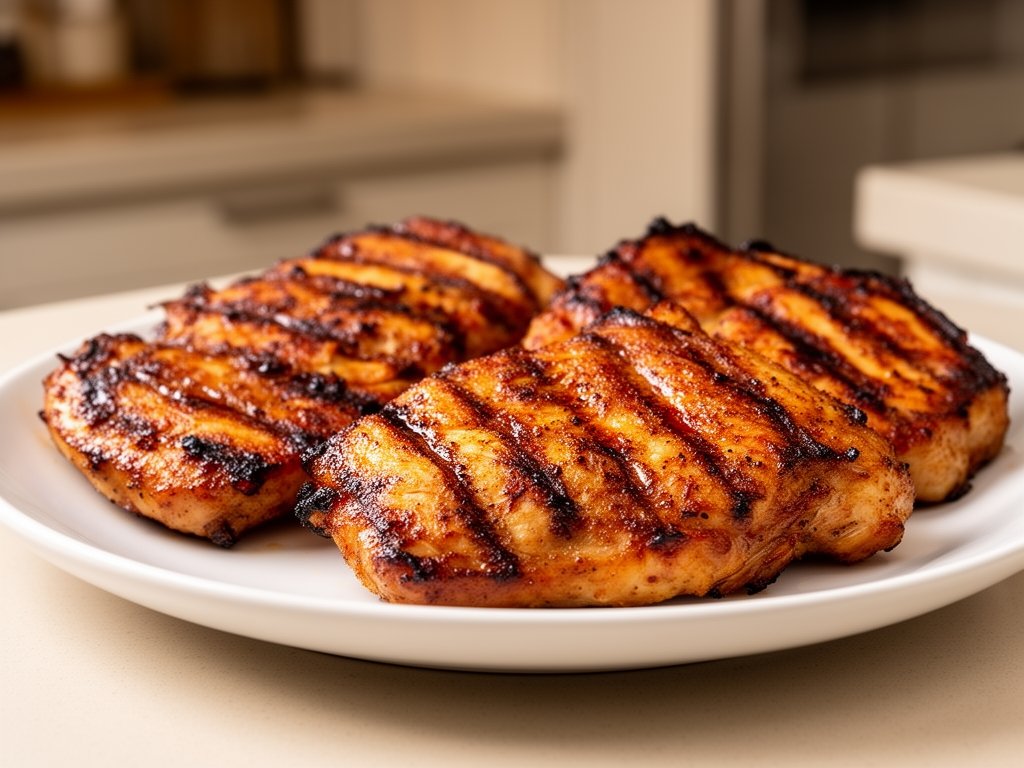
Store leftover grilled recipes in an airtight container in the fridge for up to 4 days. Cool completely first to prevent condensation sogginess. Layer with parchment to retain crispness.
For freezing, portion into freezer bags, squeezing out air. They keep up to 2 months. Thaw overnight in fridge before reheating to preserve texture.
Reheat on a hot grill or skillet for 2-3 minutes to revive char. Oven at 350°F for 5-7 minutes works too, on a sheet pan. Avoid microwave—it steams them soft.
Food safety: Discard if smelling off or slimy. Reheat to 165°F internally. These tips keep your grilled recipes tasting fresh.
Conclusion
These grilled recipes are a game-changer for effortless, flavorful meals. Smoky grilled vegetables deliver nutrition and taste that wows every time. Simple steps yield pro results you’ll crave.
Fire up the grill this weekend and try them yourself. Tag your creations online—happy grilling!
FAQs
Can I make these grilled recipes without a grill?
Yes! Use a grill pan on stovetop over medium-high heat or broil in oven at 450°F. Toss halfway for char. It mimics grill marks perfectly, ideal for apartments. Timing stays similar—12-15 minutes total.
What if I want spicier grilled vegetables?
Add chili flakes or diced jalapeños to the marinade. For heat lovers, brush with harissa during last flip. Start mild to suit guests; these tweaks amp up grilled recipes without overpowering veggies.
How do I prevent grilled recipes from getting soggy?
Pat veggies very dry before marinating and avoid excess oil. Grill hot and fast for sear. Store separately from moist items. This keeps grilled vegetables crisp even as leftovers.
Are these grilled recipes suitable for meal prep?
Absolutely—prep a big batch Sunday. Portion for lunches with proteins. They reheat well, holding flavor up to 4 days. Add fresh herbs before eating to refresh.
Can I add protein to these grilled vegetables?
Grill chicken thighs or shrimp alongside using the same marinade. Time proteins first since they take longer. It turns simple grilled recipes into full meals.
What’s the best way to scale grilled recipes for a crowd?
Double ingredients but grill in batches to avoid steaming. Prep marinade ahead. Use multiple baskets. Feeds 12 easily with uniform timing.
How long do grilled vegetables last in the freezer?
Up to 2 months in airtight bags. Thaw in fridge, then reheat on grill for best texture. Avoid refreezing post-thaw for safety.
Any substitutions for eggplant in grilled recipes?
Portobello mushrooms or extra zucchini work great. Both grill similarly with meaty bite. Adjust timing slightly—mushrooms need 1 minute less.
Why do my grilled vegetables stick to the grill?
Likely unclean or cold grates. Scrub hot, oil well, and preheat fully. Don’t move too soon—let sear release naturally for perfect grilled vegetables.
Can kids enjoy these grilled recipes?
Yes—cut smaller, milder pieces like just peppers and zucchini. Skip spice, add cheese post-grill. Fun skewers make them kid-approved.