Have you ever wondered why some pasta salad recipes taste absolutely incredible while others fall flat? The secret lies in understanding how to balance fresh ingredients with a perfectly crafted dressing that brings everything together. A healthy italian pasta salad isn’t just about tossing noodles with vegetables and calling it a day—it’s about creating a dish that’s bursting with flavor, nutrition, and the kind of comfort that keeps people coming back for seconds.
Table of Contents
This classic dish has been a staple at picnics, potlucks, and summer gatherings for decades, and for good reason. Whether you’re preparing dinner for your family or bringing a contribution to a neighborhood barbecue, a pasta salad offers versatility that few other dishes can match. The beauty of this recipe is that it comes together quickly, tastes even better the next day, and can be customized to suit virtually any preference or dietary need.
What makes a healthy italian pasta salad truly special is the combination of al dente pasta, crisp vegetables, tangy dressing, and quality ingredients that work in harmony. Unlike heavier pasta dishes that leave you feeling sluggish, this version celebrates freshness and balance. The Italian-inspired flavors—with their emphasis on olive oil, vinegar, herbs, and fresh produce—create a dish that’s both satisfying and energizing.
Creating the perfect pasta salad at home is easier than you might think, and I’m thrilled to share my comprehensive guide with you. From selecting the right ingredients to mastering the technique, you’ll discover everything you need to make this dish a regular feature in your kitchen. Let’s dive in and explore how to create a healthy italian pasta salad that will impress everyone at your table.
Ingredients for Pasta Salad
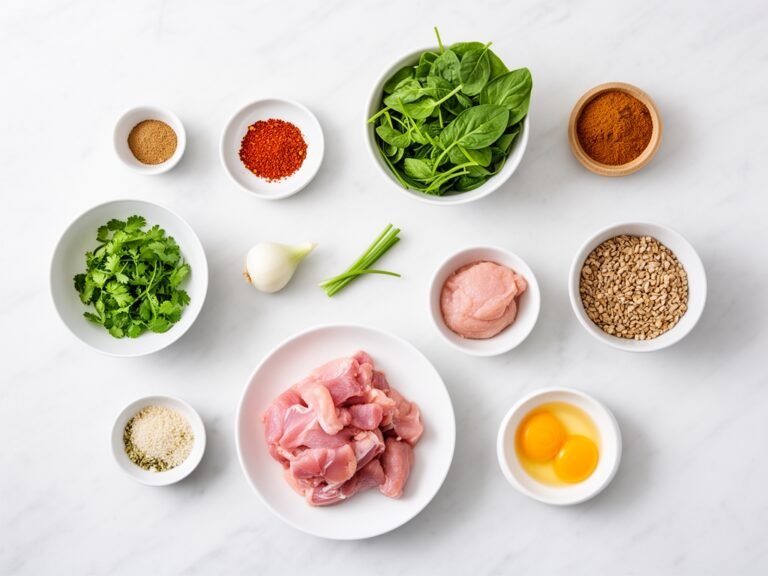
Selecting the right ingredients is absolutely crucial when you’re making a healthy italian pasta salad. The foundation of any exceptional pasta salad starts with quality components that complement each other beautifully. When shopping, look for vegetables that are firm and vibrant in color, which indicates they’re fresh and packed with nutrients. The pasta you choose should be sturdy enough to hold the dressing without becoming mushy, and the dressing ingredients should be of good quality to ensure authentic Italian flavor.
Each ingredient in this pasta salad recipe serves a specific purpose. The vegetables provide crunch, color, and nutritional value. The pasta offers substance and heartiness. The cheese adds richness and depth. The dressing ties everything together with bright, tangy flavors that make your taste buds sing. When you understand why each component matters, you’ll make better choices when shopping and create a more delicious final dish.
Don’t underestimate the importance of fresh herbs and quality oils in your healthy italian pasta salad. Extra virgin olive oil, fresh basil, and aromatic garlic transform a simple combination into something truly memorable. Take time to select these items carefully, and you’ll notice an immediate difference in your finished dish.
Main Ingredients
– 16 ounces fusilli or rotini pasta (whole wheat or regular)
– 2 cups cherry tomatoes, halved
– 1 large red bell pepper, diced
– 1 large green bell pepper, diced
– 1 medium yellow bell pepper, diced
– 2 medium Persian cucumbers, diced
– 1 cup kalamata olives, pitted and halved
– 1 can (15 ounces) chickpeas, drained and rinsed
– 1 jar (12 ounces) marinated artichoke hearts, chopped
– 4 ounces fresh mozzarella pearls
– 2 ounces freshly grated Parmesan cheese
– 3 tablespoons fresh basil, finely chopped
– 2 tablespoons fresh parsley, finely chopped
Dressing Ingredients
– 1/3 cup extra virgin olive oil
– 1/3 cup red wine vinegar
– 3 cloves fresh garlic, minced
– 1 tablespoon Dijon mustard
– 1 tablespoon honey
– 2 teaspoons Italian seasoning
– 1 teaspoon dried oregano
– 1 teaspoon sea salt
– 1/2 teaspoon black pepper
– 1/4 teaspoon red pepper flakes (optional)
Ingredient Notes and Substitutions
When choosing pasta for your pasta salad, consider whole wheat varieties for added fiber and nutrients. If you prefer a lighter option, try chickpea pasta or lentil pasta, which provide extra protein. For those avoiding gluten, gluten-free fusilli works beautifully and maintains the same texture and taste you expect.
Bell peppers can be swapped based on availability and preference. If you can’t find all three colors, use whatever varieties you have on hand. Roasted red peppers from a jar are an excellent substitute for fresh ones and add wonderful depth of flavor. For the olives, Kalamata olives offer authentic Italian flavor, but you can use green olives, black olives, or a combination of your favorites.
The cheese selection is flexible too. If you don’t enjoy fresh mozzarella, try provolone, feta, or even goat cheese for different flavor profiles. Vegetarians should note that some Parmesan contains animal rennet, so check labels if this matters to you. For those avoiding dairy entirely, nutritional yeast provides a savory, cheesy flavor without animal products.
Equipment Needed
Creating a delicious healthy italian pasta salad requires minimal equipment, but having the right tools makes the process smooth and enjoyable. A large mixing bowl is essential for combining all your ingredients with the dressing, allowing you to toss everything thoroughly until evenly coated. A colander ensures your pasta drains properly without losing any of those precious starches that help the dressing cling to each piece. Having a small bowl or mason jar for whisking the dressing together keeps your workspace organized and makes measuring easier.
A sharp knife is indispensable when preparing vegetables for your pasta salad. You’ll want clean, uniform cuts that look attractive and cook evenly. A cutting board provides a safe surface for all your vegetable prep work. A whisk helps you combine dressing ingredients smoothly without lumps. A slotted spoon is useful for removing pasta from boiling water, and a large pot is necessary for cooking your pasta to perfect al dente texture.
Essential Equipment List:
– One large mixing bowl (at least 6-quart capacity)
– One medium mixing bowl
– One small bowl or mason jar for dressing
– One large stainless steel pot for pasta
– One colander or pasta strainer
– One sharp chef’s knife
– One wooden cutting board
– One whisk
– One wooden spoon
– One slotted spoon
– Measuring cups and spoons
– Vegetable peeler (optional but helpful)
Prep Time & Cook Time
Preparation Details:
– Prep Time: 20 minutes
– Cook Time: 12 minutes
– Total Time: 32 minutes
– Servings: 8 people
– Difficulty Level: Easy
Making a healthy italian pasta salad is one of the quickest and easiest ways to prepare a satisfying meal for a crowd. The actual hands-on time is minimal, and most of the work involves simple chopping and mixing. You can prepare all your vegetables while the pasta water comes to a boil, which means you’re never waiting around. The dressing comes together in just a minute or two with a simple whisk. Once everything is combined, you can serve your pasta salad immediately, or refrigerate it to let the flavors meld beautifully over a few hours or overnight.
Step-by-Step Instructions for Making Pasta Salad
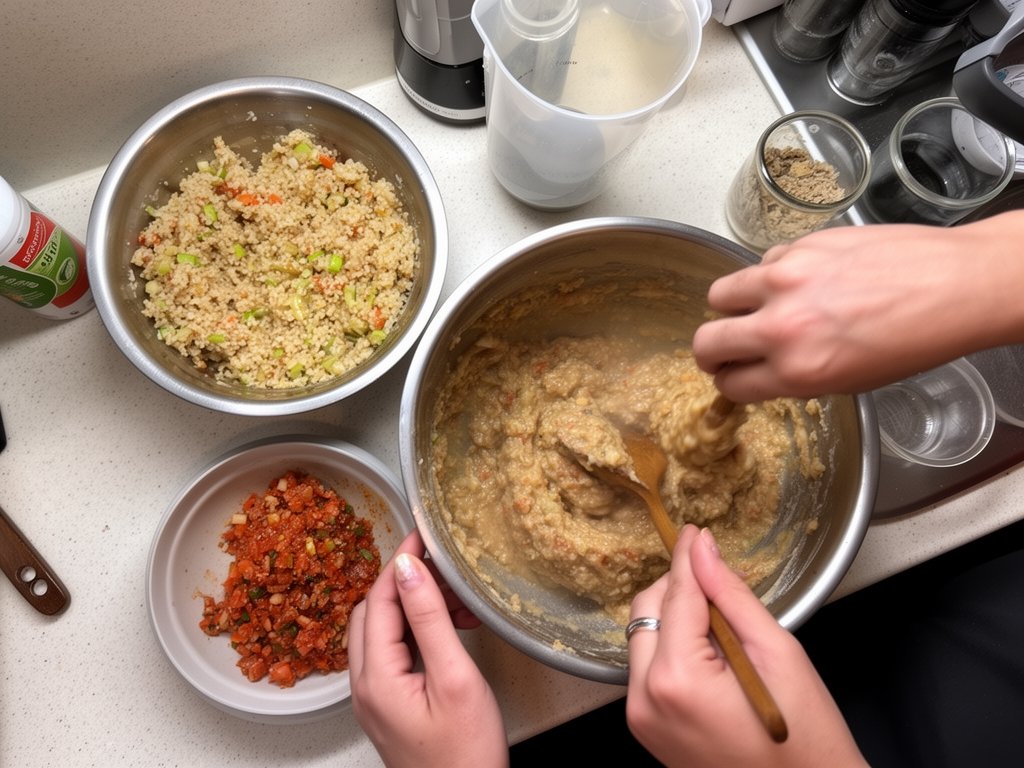
Creating a memorable healthy italian pasta salad involves careful attention to timing and technique. The key to success is understanding that each step builds on the previous one, creating layers of flavor that develop and intensify as the dish sits. When you follow these detailed instructions, you’ll produce a pasta salad that tastes restaurant-quality and impresses everyone who tries it. The beauty of this recipe is that while it requires attention to detail, none of the individual steps are difficult or time-consuming.
1. Prepare Your Ingredients
Start by gathering all your ingredients and arranging them on your workspace, a technique chefs call mise en place. Wash your vegetables thoroughly under cool running water and pat them dry with paper towels. Dry vegetables are crucial because excess moisture can dilute your dressing and make your pasta salad watery. Cut your bell peppers in half, remove the seeds and white membrane, then dice them into uniform bite-sized pieces. Halve your cherry tomatoes lengthwise to prevent them from rolling around on your plate. Dice your cucumbers into similar-sized pieces, and chop your artichoke hearts into bite-sized chunks. Having everything prepped and ready before you start cooking ensures a smooth, stress-free process.
2. Bring Water to a Rolling Boil
Fill your large pot with six to eight quarts of cold water and add a generous pinch of salt—about one tablespoon. The salt seasons the pasta as it cooks and also raises the boiling point slightly, which helps cook the pasta more evenly. Place the pot over high heat and bring the water to a vigorous rolling boil. You’ll know it’s ready when you see large, continuous bubbles breaking the surface. This usually takes about ten to twelve minutes depending on your stove. Don’t skip this step or try to add pasta to water that’s not fully boiling, as this will result in mushy, overcooked pasta instead of the al dente texture you want for your healthy italian pasta salad.
3. Cook the Pasta to Al Dente
Once your water is boiling, add your pasta all at once and stir immediately to prevent sticking. Stir occasionally throughout cooking to ensure even cooking. Fusilli pasta typically takes ten to twelve minutes to reach al dente texture, which means it should be tender but still have a slight firmness when you bite it. Start checking the pasta a minute or two before the package directions suggest, as cooking times vary based on altitude, water temperature, and pasta thickness. Remove a single piece and cool it briefly under cold water before tasting. The pasta should bend easily but still have a tiny bit of resistance in the center. This is crucial for your pasta salad because overcooked pasta will become mushy and break apart when you toss it with the other ingredients.
4. Drain and Cool the Pasta
When your pasta reaches perfect al dente texture, place your colander in your sink and carefully pour the pasta into it, allowing the hot water to drain away. Shake the colander gently several times to remove excess water, but don’t rinse the pasta with cold water. The starch coating on the pasta helps the dressing cling to each piece, creating better flavor distribution throughout your pasta salad. Let the pasta sit in the colander for a few minutes to cool slightly. You want it warm but not hot when you combine it with the dressing, as warm pasta absorbs flavors more readily than cold pasta does.
5. Whisk Together the Dressing
While your pasta cooks, prepare the dressing by combining all dressing ingredients in a small bowl or mason jar. Add the minced garlic, Dijon mustard, honey, Italian seasoning, oregano, salt, pepper, and red pepper flakes. Pour in the extra virgin olive oil and red wine vinegar last. Using a whisk, blend everything together thoroughly, breaking up any mustard clumps and ensuring the honey dissolves completely. The dressing should be well emulsified and uniform in color. Taste a small spoonful and adjust seasonings as needed. Remember that the flavors will intensify as your pasta salad sits, so err on the side of slightly underseasoning at this point.
6. Combine Warm Pasta with Dressing
Transfer your warm pasta to a large mixing bowl and immediately pour the dressing over it. Using a wooden spoon or salad tongs, toss the pasta thoroughly, ensuring every piece gets coated with the dressing. The warm pasta will absorb the flavors beautifully, creating a flavorful base for your healthy italian pasta salad. Continue tossing for about a minute, making sure the dressing coats all the pasta evenly. This step is important because it allows the pasta to absorb the vinegar and oil flavors while it’s still warm and porous. Let the dressed pasta cool to room temperature, tossing occasionally to ensure even flavor distribution.
7. Prepare Fresh Vegetables
While your pasta cools, finish preparing your vegetables if you haven’t already done so. Dice your bell peppers into uniform pieces about half an inch in size. Halve your cherry tomatoes lengthwise. Dice your cucumbers into similar-sized pieces. Pit and halve your kalamata olives. Drain and rinse your canned chickpeas, removing any excess liquid. Chop your artichoke hearts into bite-sized pieces. Tear your fresh basil leaves by hand rather than cutting them with a knife, which can bruise them and cause browning. Finely chop your fresh parsley. Having all your vegetables prepared and ready ensures that your pasta salad comes together quickly and efficiently.
8. Add Vegetables to Cooled Pasta
Once your pasta has cooled to room temperature, add all your prepared vegetables to the bowl. This includes the bell peppers, tomatoes, cucumbers, olives, chickpeas, and artichoke hearts. Add the fresh basil and parsley. Gently toss everything together, using a wooden spoon or salad tongs to combine the vegetables with the dressed pasta. Be gentle during this step to avoid breaking up the vegetables or the pasta. Make sure the vegetables are evenly distributed throughout your pasta salad, creating a colorful, visually appealing dish.
9. Add Cheese
Gently fold in your fresh mozzarella pearls and grated Parmesan cheese. The mozzarella pearls are delicate, so handle them carefully to prevent them from breaking apart. The cheese adds richness and depth to your healthy italian pasta salad, complementing the bright flavors of the vinegar and herbs. Toss everything together one final time until the cheese is evenly distributed throughout the dish.
10. Taste and Adjust Seasonings
Take a spoonful of your pasta salad and taste it carefully. Does it need more salt? More vinegar for tang? More herbs for flavor? This is your opportunity to fine-tune the seasoning to your personal preferences. Remember that flavors will continue to develop as the salad sits, so make adjustments conservatively. You can always add more seasoning, but you can’t take it out.
11. Chill Before Serving
Transfer your healthy italian pasta salad to a serving bowl and refrigerate for at least one hour before serving, though overnight is even better. Chilling allows the flavors to meld and develop, creating a more cohesive, delicious dish. The cold temperature also makes the salad more refreshing, especially on warm days. Before serving, give your pasta salad a gentle toss and taste again, adjusting seasonings if needed.
Nutritional Information
A healthy italian pasta salad offers impressive nutritional benefits that make it an excellent choice for health-conscious eaters. This dish provides a wonderful balance of carbohydrates from the pasta, protein from the chickpeas and cheese, and healthy fats from the olive oil and olives. The vegetables contribute fiber, vitamins, and minerals, while the fresh herbs add antioxidants and flavor without adding calories. Each serving delivers sustained energy from complex carbohydrates, making it an ideal choice for active individuals or anyone looking for a satisfying meal that won’t leave them feeling sluggish.
The chickpeas in this pasta salad deserve special mention because they’re nutritional powerhouses. Rich in fiber and plant-based protein, chickpeas support digestive health and help maintain stable blood sugar levels. They also contain essential minerals like iron, magnesium, and zinc. Combined with the whole grain pasta option, the chickpeas create a complete protein profile that satisfies vegetarians and anyone looking to reduce their meat consumption without sacrificing nutrition.
The olive oil in the dressing provides monounsaturated fats, which support heart health and help your body absorb fat-soluble vitamins like vitamins A, D, E, and K. The fresh vegetables—especially the colorful bell peppers—are loaded with vitamin C, which boosts immune function and supports collagen production for healthy skin. The artichoke hearts provide inulin, a prebiotic fiber that feeds beneficial gut bacteria and supports digestive health. This healthy italian pasta salad truly is a nutritional all-star that tastes delicious while nourishing your body.
Estimated Nutritional Values Per Serving (1/8 of recipe):
– Calories: 385
– Total Fat: 18g
– Saturated Fat: 4g
– Cholesterol: 15mg
– Sodium: 520mg
– Total Carbohydrates: 48g
– Dietary Fiber: 7g
– Sugars: 4g
– Protein: 12g
– Calcium: 180mg
– Iron: 3.2mg
– Potassium: 520mg
Serving Suggestions & Variations
Your pasta salad is incredibly versatile and works beautifully in numerous contexts. As a side dish at summer barbecues, it pairs wonderfully with grilled chicken, fish, or lean beef. The bright, tangy flavors cut through rich grilled foods and provide a refreshing contrast. You can serve it alongside grilled vegetables, corn on the cob, or fresh fruit for a complete meal. For picnics and potlucks, your healthy italian pasta salad travels well and actually improves during transport as flavors continue to meld. Pack it in a covered container and keep it cool in an insulated bag with ice packs.
As a light lunch, your pasta salad is completely satisfying on its own. The combination of pasta, vegetables, chickpeas, and cheese creates a balanced meal with protein, carbohydrates, and healthy fats. You can add grilled chicken breast or canned tuna for extra protein if desired. Serve it at room temperature or chilled, depending on your preference and the weather. For dinner, pair your pasta salad with a simple green salad and crusty bread for a complete Italian-inspired meal.
Consider seasonal variations to keep your healthy italian pasta salad fresh and exciting throughout the year. In summer, add fresh corn kernels, heirloom tomatoes, and fresh mint for a lighter, more vibrant version. In fall, incorporate roasted butternut squash, dried cranberries, and toasted pumpkin seeds for warmth and richness. In spring, add fresh peas, asparagus, and spring onions for a bright, tender variation. In winter, use roasted root vegetables, dried figs, and toasted walnuts for a heartier, more substantial version.
You can also create different flavor profiles by varying your dressing. Try a lemon vinaigrette instead of red wine vinegar for a brighter, lighter taste. Use balsamic vinegar for deeper, sweeter notes. Create a creamy version by whisking in some Greek yogurt or mayonnaise to the dressing. Add fresh lemon juice and minced fresh dill for a Mediterranean twist. These variations keep your pasta salad interesting and allow you to customize it to your personal preferences.
For protein variations, you can add grilled chicken breast, canned chickpeas (which I already include), white beans, or lentils. If you enjoy seafood, canned tuna or fresh shrimp work beautifully. For vegetarians, the chickpeas provide excellent protein, but you could also add white beans or lentils. These additions transform your healthy italian pasta salad into a more substantial main course.
Expert Tips & Tricks for Perfect Pasta Salad
Creating a truly exceptional healthy italian pasta salad involves understanding some professional techniques that elevate the dish from good to extraordinary. Professional chefs have developed methods over years of cooking that make a real difference in flavor, texture, and overall quality. By implementing these expert strategies, you’ll notice an immediate improvement in your pasta salad and impress everyone who tries it.
Tip 1: Salt Your Pasta Water Generously
This is perhaps the most important tip for creating delicious pasta. Your pasta water should taste like the sea—this seasons the pasta from the inside out, creating better flavor throughout your entire pasta salad. Use about one tablespoon of salt per six quarts of water. Don’t be afraid of this amount; most of the salt stays in the water and doesn’t make the pasta overly salty. This technique ensures that your pasta has inherent flavor rather than relying entirely on the dressing for seasoning.
Tip 2: Cook Pasta to Al Dente, Not Soft
Undercooked pasta is hard and unpleasant, but overcooked pasta is mushy and falls apart when tossed with other ingredients. Aim for al dente—tender but still with a slight firmness in the center. This texture holds up beautifully when combined with the dressing and other ingredients in your healthy italian pasta salad. Start testing a minute or two before the package directions suggest, as cooking times vary. Remove a piece, cool it briefly, and bite it to check doneness.
Tip 3: Don’t Rinse the Pasta
Rinsing pasta with cold water removes the starch that helps dressing cling to each piece. This starch is your friend—it creates a better texture and helps flavors adhere to the pasta. Simply drain your pasta in a colander and let it sit for a few minutes to cool slightly. This technique ensures your pasta salad has excellent flavor distribution and a pleasant, cohesive texture.
Tip 4: Dress the Pasta While Still Warm
Warm pasta absorbs flavors much more readily than cold pasta. By dressing your pasta while it’s still warm from cooking, you allow it to absorb the vinegar, oil, and seasonings, creating a more flavorful base for your pasta salad. This is a crucial step that many home cooks overlook, but it makes a tremendous difference in the final result.
Tip 5: Make the Dressing First
Prepare your dressing while your pasta water comes to a boil. This way, the dressing is ready when your pasta finishes cooking, and you can combine them immediately while the pasta is warm. It also allows the flavors in the dressing to meld slightly, creating a more cohesive taste. A well-made dressing is the heart of any exceptional healthy italian pasta salad.
Tip 6: Use Quality Ingredients
The quality of your ingredients directly affects the quality of your finished pasta salad. Invest in extra virgin olive oil with a fresh, fruity taste. Choose fresh garlic over garlic powder. Use fresh herbs whenever possible. Select vegetables that are firm and vibrant in color. These quality ingredients create a more delicious, memorable dish that’s worth the extra effort and expense.
Tip 7: Let It Sit Before Serving
Refrigerate your healthy italian pasta salad for at least one hour before serving, though overnight is ideal. This resting period allows the flavors to meld and develop, creating a more complex, delicious taste. The cold temperature also makes the salad more refreshing. You’ll notice a significant difference between a freshly made salad and one that’s had time to rest.
Tip 8: Taste and Adjust Seasonings
Before serving, always taste your pasta salad and adjust seasonings as needed. Flavors can change during storage, and personal preferences vary. Does it need more salt? More vinegar for tang? More herbs for freshness? Make adjustments conservatively, remembering that you can always add more but can’t take it out.
Tip 9: Keep Vegetables Uniform in Size
Cut all your vegetables into similar-sized pieces so they cook and absorb dressing evenly. Uniform pieces also look more professional and appealing in your pasta salad. This attention to detail makes a real difference in both appearance and eating experience.
Tip 10: Add Delicate Ingredients Last
Add fresh herbs, mozzarella pearls, and other delicate ingredients just before serving or shortly before. These ingredients can become bruised or discolored if mixed in too early. This ensures your healthy italian pasta salad looks fresh and vibrant when served to guests.
Common Mistakes to Avoid
Understanding common pitfalls helps you create a superior pasta salad on your first attempt. Many home cooks make the same mistakes repeatedly without realizing how these errors affect the final result. By being aware of these issues, you can sidestep them entirely and create an exceptional dish that everyone will love.
Mistake 1: Overcooking the Pasta
This is the most common error when making healthy italian pasta salad. Overcooked pasta becomes mushy, breaks apart easily, and creates an unpleasant texture in the finished dish. The pasta should be tender but still have a slight firmness in the center. Start checking doneness a minute or two before the package directions suggest. Remove a piece, cool it briefly under cold water, and bite it to test. If it bends easily but still has a tiny bit of resistance, it’s perfect for your pasta salad.
Mistake 2: Not Seasoning the Pasta Water
Many cooks skip salting their pasta water or use too little salt, resulting in bland pasta that relies entirely on the dressing for flavor. Your pasta water should taste like the sea. Use about one tablespoon of salt per six quarts of water. This seasons the pasta from the inside out, creating better overall flavor in your pasta salad. Don’t worry about the salt content—most of it stays in the water.
Mistake 3: Rinsing the Pasta
Rinsing pasta with cold water removes the starch that helps dressing cling to each piece. This starch is crucial for creating good flavor distribution and texture in your healthy italian pasta salad. Simply drain your pasta and let it cool slightly without rinsing. The starch coating helps the dressing adhere beautifully.
Mistake 4: Using Too Much or Too Little Dressing
The amount of dressing is crucial for a well-balanced pasta salad. Too much dressing makes the salad soggy and overly oily. Too little leaves it dry and flavorless. Start with the amount suggested in the recipe and adjust based on how the pasta absorbs the dressing. You want every piece of pasta coated but not swimming in dressing. Remember that the pasta continues absorbing dressing as it sits, so you might need to add a bit more liquid before serving.
Mistake 5: Not Allowing Time for Flavors to Develop
Serving your pasta salad immediately after making it means the flavors haven’t had time to meld and develop. Refrigerate it for at least one hour, though overnight is ideal. This resting period creates a more complex, delicious taste that’s significantly better than a freshly made version. The cold temperature also makes the salad more refreshing.
Mistake 6: Using Low-Quality Ingredients
The quality of your ingredients directly affects the quality of your healthy italian pasta salad. Cheap olive oil, stale herbs, and mediocre vegetables create a mediocre dish. Invest in quality extra virgin olive oil, fresh garlic and herbs, and vibrant vegetables. These superior ingredients create a noticeably better pasta salad that’s worth the extra cost.
Mistake 7: Cutting Vegetables Inconsistently
Vegetables cut to different sizes cook and absorb dressing unevenly. Some pieces become too soft while others remain firm. Uniform pieces ensure consistent texture and appearance throughout your pasta salad. Take time to cut all vegetables into similar-sized pieces, which also looks more professional and appealing.
Mistake 8: Not Tasting and Adjusting Seasonings
Every palate is different, and seasonings can change during storage. Always taste your healthy italian pasta salad before serving and adjust as needed. Does it need more salt? More vinegar? More herbs? Making these adjustments ensures your dish is perfectly seasoned for your personal preferences and your guests’ tastes.
Storage & Reheating Instructions
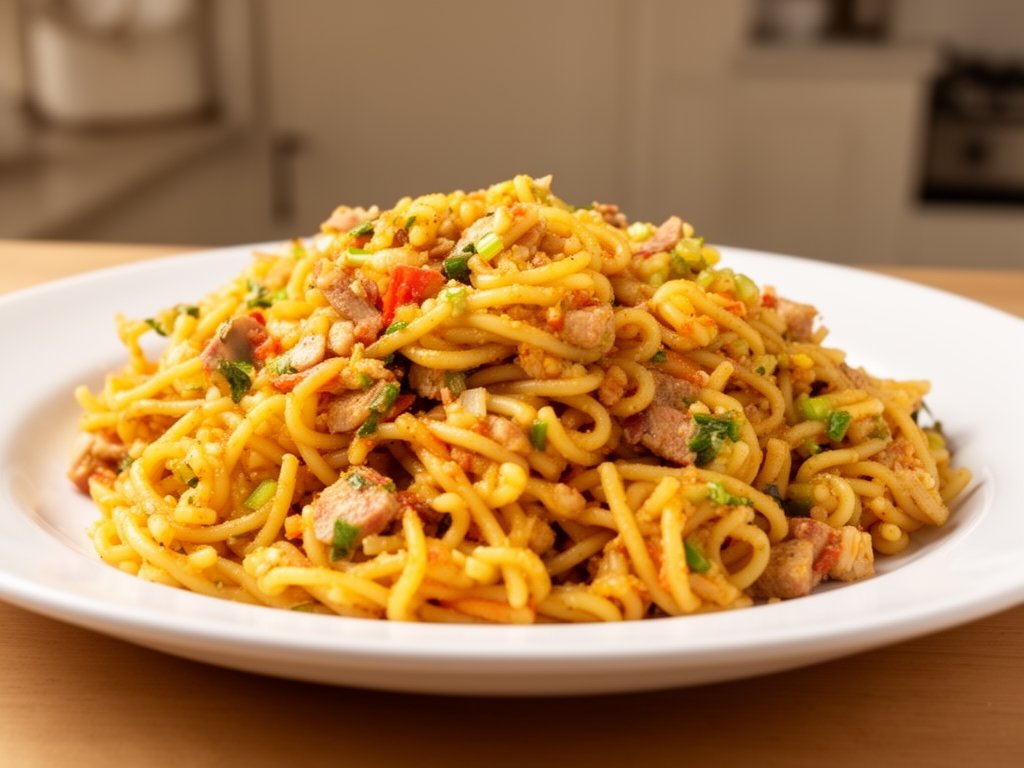
Proper storage ensures your pasta salad stays fresh and delicious for several days. Refrigerate your healthy italian pasta salad in an airtight container immediately after making it. The container should have a tight-fitting lid to prevent the salad from absorbing odors from other foods in your refrigerator and to prevent moisture loss. Store it on a shelf in the main part of your refrigerator, not in the door where temperature fluctuates. Your pasta salad will keep for three to five days when stored properly, though it tastes best within the first three days.
The flavor and texture of your healthy italian pasta salad actually improve during the first day of storage as the flavors meld and develop. By the second day, the pasta continues absorbing the dressing, creating an even more flavorful dish. However, after about three days, the texture begins to deteriorate slightly as the vegetables release moisture. The pasta may also become softer than ideal. For best results, consume your pasta salad within three days of making it.
Freezing is not recommended for pasta salad because the texture of the pasta and vegetables changes significantly when frozen and thawed. The vegetables become mushy, and the pasta loses its pleasant texture. Additionally, the dressing separates and doesn’t recombine well after thawing. For best quality, enjoy your healthy italian pasta salad fresh from the refrigerator within three to five days of making it.
Before serving leftover pasta salad, remove it from the refrigerator about fifteen minutes before serving to allow it to come closer to room temperature. Cold salad is refreshing on warm days, but room temperature salad allows you to taste the flavors more fully. Give it a gentle toss and taste it before serving. You may need to add a bit more dressing, as the pasta continues absorbing it during storage. A tablespoon or two of additional vinaigrette refreshes the flavors beautifully.
Conclusion
Making a delicious healthy italian pasta salad at home is one of the most rewarding cooking projects you can undertake. This versatile dish comes together quickly, tastes wonderful, and improves as it sits. Whether you’re preparing it for a summer gathering, a light lunch, or a simple dinner, your pasta salad will impress everyone who tries it. The combination of quality ingredients, proper technique, and a bit of patience creates something truly special.
By following the detailed instructions in this guide and implementing the expert tips, you’ll create a healthy italian pasta salad that rivals anything you’d find at a restaurant. The fresh vegetables, quality pasta, tangy dressing, and creamy cheese work together in perfect harmony, creating a dish that’s both satisfying and refreshing. This pasta salad is the kind of dish that people request by name and ask for the recipe.
I encourage you to make this healthy italian pasta salad soon and experience the joy of creating something delicious from simple ingredients. Share it with people you love, and watch their faces light up as they taste the fresh, bright flavors. This recipe is sure to become a regular feature in your kitchen, a go-to dish for gatherings, and a simple way to nourish yourself and your family with wholesome, delicious food.
FAQs
Can I make this pasta salad ahead of time?
Absolutely! In fact, making your healthy italian pasta salad the day before you plan to serve it is ideal. The flavors develop and meld beautifully overnight, creating a more complex, delicious taste than a freshly made version. Store it in an airtight container in the refrigerator for up to five days. Before serving, give it a gentle toss and taste it, adding a bit more dressing if needed since the pasta continues absorbing it during storage.
What can I substitute for the red wine vinegar?
You have several excellent options for your pasta salad. Balsamic vinegar creates deeper, sweeter notes. White wine vinegar provides a lighter, more delicate flavor. Fresh lemon juice or lime juice creates a bright, citrusy version. Apple cider vinegar adds a subtle sweetness. Rice vinegar provides a milder flavor. Each substitution creates a slightly different flavor profile, so choose based on your personal preferences and what flavors appeal to you.
How can I make this pasta salad more protein-rich?
The chickpeas in this healthy italian pasta salad already provide excellent plant-based protein, but you can add more. Grilled chicken breast, canned tuna, white beans, lentils, or shrimp all work beautifully. You could also use whole grain pasta or chickpea pasta for additional protein and fiber. These additions transform your pasta salad into a more substantial main course.
Can I make this pasta salad without cheese?
Yes, your pasta salad works beautifully without cheese. Simply omit the mozzarella pearls and Parmesan cheese. The fresh vegetables, chickpeas, and flavorful dressing create a delicious, satisfying dish on their own. This version is also vegan-friendly and works well for those avoiding dairy.
How do I prevent my pasta salad from becoming watery?
Watery pasta salad typically results from vegetables releasing moisture. Pat all vegetables dry after washing before adding them to your salad. Use the right amount of dressing—too much creates a watery dish. Store your healthy italian pasta salad in an airtight container to prevent moisture loss. If your salad becomes watery during storage, drain off excess liquid before serving and add fresh dressing to refresh it.
Can I use fresh spinach or arugula in my pasta salad?
Absolutely! Fresh greens like spinach and arugula add wonderful nutrition and flavor to your pasta salad. Add them just before serving to prevent wilting. These tender greens add a peppery flavor and vibrant color to your healthy italian pasta salad, making it even more nutritious and visually appealing.
What’s the best way to serve cold pasta salad?
Remove your pasta salad from the refrigerator about fifteen minutes before serving to allow it to come closer to room temperature, which allows you to taste the flavors more fully. Serve it in a large bowl with a serving spoon, or portion it into individual bowls. Garnish with fresh basil and a drizzle of olive oil for an elegant presentation. Your healthy italian pasta salad can also be served chilled on warm days for maximum refreshment.
How can I transport pasta salad to a picnic or potluck?
Pack your pasta salad in an airtight container and keep it cool in an insulated bag with ice packs during transport. Don’t add delicate ingredients like fresh herbs or mozzarella until just before serving to prevent them from becoming bruised. Your healthy italian pasta salad actually travels well and improves during transport as flavors continue to meld.
Can I use gluten-free pasta for this recipe?
Yes! Gluten-free fusilli or rotini works beautifully in your pasta salad. Follow the package directions for cooking time, as gluten-free pasta sometimes cooks slightly differently than regular pasta. The flavor and texture of your healthy italian pasta salad will be virtually identical when made with quality gluten-free pasta.
How long does this pasta salad stay fresh?
Your pasta salad stays fresh in the refrigerator for three to five days when stored in an airtight container. The flavor and texture are best within the first three days. After that, the vegetables begin releasing moisture and the texture deteriorates slightly. For best quality and food safety, consume your healthy italian pasta salad within three to five days of making it.