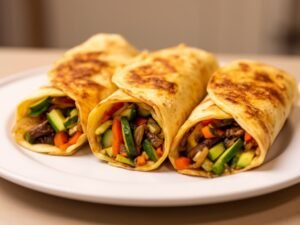
Have you ever stood in front of your kitchen wondering how to create a delicious, nutritious dinner without spending hours cooking and cleaning? Sheet pan chicken and vegetables might just be your answer. There’s something magical about throwing everything onto one pan, sliding it into the oven, and walking away while dinner practically cooks itself. This approach to sheet pan recipes has transformed how busy families approach mealtime, turning what could be a stressful evening into an effortless cooking experience.
Table of Contents
The beauty of sheet pan recipes lies in their simplicity combined with impressive flavor. When you roast chicken and vegetables together on a single pan, something wonderful happens. The vegetables release their natural juices, the chicken stays incredibly moist, and everything develops beautiful caramelized edges that taste absolutely incredible. This is not complicated restaurant-style cooking—it’s straightforward, honest food that nourishes your body and satisfies your taste buds.
What makes this particular approach to sheet pan recipes so special is the minimal cleanup involved. Unlike traditional cooking methods that require multiple pots and pans, you’re working with just one vessel. This means less time scrubbing dishes and more time enjoying your meal with family and friends. For weeknight dinners when time is precious, this efficiency cannot be overstated.
These sheet pan recipes are also incredibly adaptable. Whether you prefer Mediterranean flavors, Asian-inspired seasonings, or classic herb combinations, the basic technique remains the same. You can customize everything based on what’s in your pantry, what’s on sale at your local market, or what your family enjoys eating most.
Ingredients for Sheet Pan Chicken and Vegetables
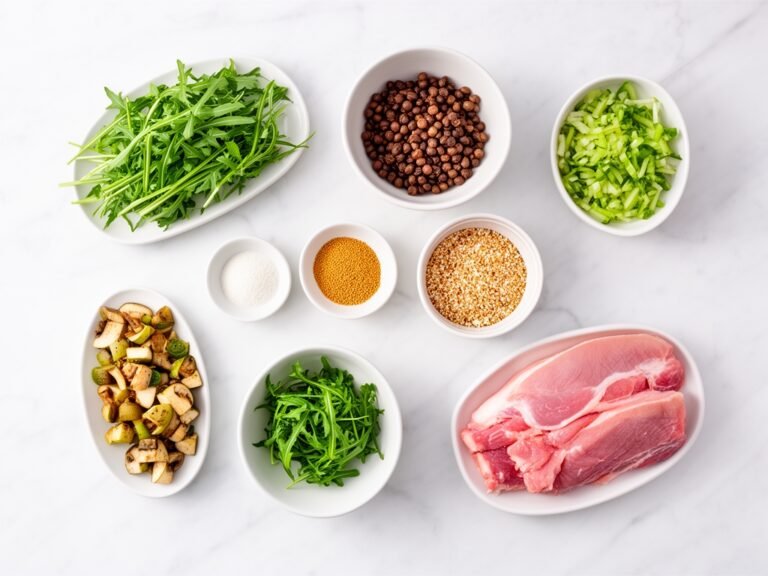
Creating excellent sheet pan recipes starts with selecting quality ingredients that will shine when roasted together. The key to success isn’t using exotic or expensive components—it’s choosing fresh, flavorful items that complement each other beautifully. When you’re preparing sheet pan recipes, each ingredient matters because they’re all cooking together in one space, their flavors mingling and intensifying.
The foundation of any great sheet pan chicken and vegetables dish is, naturally, quality chicken. Bone-in, skin-on chicken thighs work wonderfully because they stay incredibly moist during roasting, but boneless chicken breasts work beautifully too if you prefer leaner meat. The vegetables you choose should be ones that roast well at the same temperature and in the same timeframe. Root vegetables like potatoes and carrots, cruciferous vegetables like broccoli and Brussels sprouts, and bell peppers all become wonderfully caramelized and tender.
When assembling ingredients for these sheet pan recipes, consider the cooking times of each component. You want everything to finish at approximately the same moment, creating a harmonious dish where nothing is overcooked or underdone. This timing consideration is what separates mediocre sheet pan dinners from truly exceptional ones.
For the Main Dish:
– 2 pounds boneless, skinless chicken breasts or 2.5 pounds bone-in, skin-on chicken thighs
– 4 tablespoons extra virgin olive oil
– 3 cloves fresh garlic, minced
– 2 teaspoons dried Italian seasoning
– 1 teaspoon smoked paprika
– 1 teaspoon kosher salt
– ½ teaspoon freshly ground black pepper
– ½ teaspoon garlic powder
– ¼ teaspoon red pepper flakes (optional, for heat)
– 2 tablespoons fresh lemon juice
– 1 tablespoon balsamic vinegar
For the Vegetables:
– 1 pound baby potatoes, halved
– 1 pound fresh broccoli florets
– 2 medium red bell peppers, cut into 1-inch chunks
– 1 medium yellow onion, cut into wedges
– 8 ounces baby carrots or regular carrots cut into 2-inch pieces
– 2 cups cherry tomatoes
– 8 ounces fresh mushrooms, quartered
– 2 tablespoons fresh rosemary sprigs
– 2 tablespoons fresh thyme sprigs
For Garnish and Serving:
– Fresh parsley, chopped
– Grated Parmesan cheese (optional)
– Additional fresh lemon wedges
– Crushed red pepper flakes for serving
When shopping for ingredients to make sheet pan recipes, look for chicken that’s fresh or recently thawed, with no off odors. For vegetables, choose ones that are firm and vibrant in color. Avoid any that show signs of softness or discoloration. Buying vegetables in season ensures better flavor and often saves money too.
Substitution Notes and Shopping Tips:
If you cannot find baby potatoes, regular russet potatoes work fine—just cut them into smaller pieces so they cook through in the same timeframe. Frozen broccoli can substitute for fresh, though fresh provides better texture. You can replace any vegetables with your family’s favorites: zucchini, asparagus, green beans, Brussels sprouts, cauliflower, or fennel all work wonderfully in sheet pan recipes. For the herbs, dried versions work if fresh aren’t available—use one-third the amount since dried herbs are more concentrated. If you prefer high protein sheet pan dinners, consider adding chickpeas or white beans to boost protein content alongside the chicken.
Equipment Needed
Creating successful sheet pan recipes requires minimal equipment, but having the right tools makes the process smoother and more enjoyable. The most important piece is a quality sheet pan—this is where everything happens. A sturdy, heavy-duty sheet pan conducts heat evenly and prevents warping, which ensures your chicken and vegetables cook uniformly. Rimmed sheet pans are essential because they prevent juices and oil from dripping onto your oven floor.
Beyond the sheet pan itself, you’ll need basic preparation equipment and serving tools. A sharp chef’s knife makes quick work of chopping vegetables, and a cutting board provides a safe, clean surface for prep work. Measuring spoons and cups ensure your seasonings are balanced perfectly. A small mixing bowl allows you to combine your oil and spices before coating the chicken and vegetables. When it comes to sheet pan recipes, having parchment paper on hand makes cleanup even easier—simply line your pan before cooking, and washing becomes a breeze.
Essential Kitchen Tools and Equipment:
– One large rimmed sheet pan (13×18 inches recommended)
– Parchment paper or silicone baking mat
– Sharp chef’s knife and cutting board
– Measuring spoons and measuring cups
– Small mixing bowl for combining seasonings
– Whisk or fork for mixing oil and spices
– Tongs or a large spoon for tossing ingredients
– Meat thermometer for checking chicken doneness
– Oven mitts or kitchen towels
– Serving platter or individual plates
– Optional: second sheet pan for cooking larger batches
Prep Time & Cook Time
Prep Time: 20 minutes
Cook Time: 30-35 minutes
Total Time: 50-55 minutes
Servings: 4
Difficulty Level: Easy
Timing is everything when preparing sheet pan recipes, and this particular recipe moves quickly from start to table. The twenty-minute prep time includes washing and chopping vegetables, preparing the chicken, and mixing your seasonings. Most of this time involves simple knife work—nothing requiring special culinary skills. Once everything is prepped and arranged on the pan, the oven does the heavy lifting for thirty to thirty-five minutes. The beauty of these sheet pan recipes is that you’re completely hands-off during cooking, giving you time to set the table, prepare a simple salad, or simply relax before dinner. For busier evenings, prep your vegetables the night before and store them in containers in the refrigerator—this reduces your cooking day time commitment to just fifteen minutes.
Step-by-Step Instructions for Cooking Sheet Pan Recipes
Mastering the technique for preparing these sheet pan recipes is straightforward once you understand the basic process. The key is organizing your ingredients properly and understanding how to layer them on the pan for even cooking. These instructions will guide you through creating a restaurant-quality dinner that tastes like you spent hours in the kitchen when you actually invested less than an hour total. The beauty of sheet pan cooking is that it’s forgiving—minor variations in timing or ingredient sizes won’t ruin your meal.
1. Preheat Your Oven and Prepare the Pan
Start by preheating your oven to 425 degrees Fahrenheit. This temperature is hot enough to create beautiful caramelization on the chicken skin and vegetables while cooking everything through completely. While the oven heats, line your sheet pan with parchment paper. This step is optional but highly recommended—it makes cleanup effortless and prevents sticking. If you prefer not to use parchment, lightly oil your pan with cooking spray or a thin coat of olive oil. Ensure your oven rack is positioned in the upper-middle section of the oven, as this allows the chicken to cook evenly without the bottom burning before the top is done.
2. Pat the Chicken Dry
Pat your chicken pieces completely dry using paper towels. This step is crucial for achieving crispy, golden skin and proper browning. Moisture on the surface prevents browning and can make the skin steam rather than roast. If using boneless chicken breasts, pat them dry as well. Dry chicken also seasons more effectively because the seasonings stick to the dry surface rather than sliding off wet chicken. Take your time with this step—it makes a significant difference in your final result.
3. Prepare Your Seasoning Mixture
In a small bowl, combine four tablespoons of olive oil with three minced garlic cloves, two teaspoons dried Italian seasoning, one teaspoon smoked paprika, one teaspoon kosher salt, half teaspoon garlic powder, half teaspoon black pepper, and quarter teaspoon red pepper flakes if you enjoy heat. Whisk these ingredients together until well combined. The oil will help distribute the seasonings evenly across your chicken and vegetables. This mixture is the flavor foundation for your entire sheet pan recipes dish, so take a moment to ensure everything is well incorporated.
4. Season and Arrange the Chicken
Place your prepared chicken pieces in the center of your parchment-lined sheet pan. Brush the seasoning mixture generously over all sides of the chicken, ensuring each piece is well coated. If using bone-in, skin-on thighs, pay special attention to coating the skin side—this is what will become beautifully golden and crispy. Don’t be shy with the seasonings; they’re what transform simple ingredients into delicious sheet pan recipes. Arrange the chicken pieces skin-side up with space between each piece, allowing air to circulate and heat to reach all sides.
5. Prepare and Arrange the Vegetables
In a large bowl, combine all your prepared vegetables: halved baby potatoes, broccoli florets, bell pepper chunks, onion wedges, carrots, cherry tomatoes, and mushrooms. Pour any remaining seasoning mixture over the vegetables and toss everything together using a large spoon or tongs until every piece is well coated. This ensures even seasoning distribution throughout your sheet pan recipes. Arrange the vegetables around the chicken pieces on the sheet pan, spreading them in a single layer. Vegetables that take longer to cook, like potatoes and carrots, should be positioned closer to the heat source.
6. Add Fresh Herbs
Scatter fresh rosemary sprigs and thyme sprigs over the chicken and vegetables. These herbs will infuse the entire dish with aromatic flavor as everything roasts together. Fresh herbs are preferable to dried in this application because they add a bright, fresh element that dried herbs cannot replicate. If you only have dried herbs available, sprinkle them over the pan before roasting—use about one teaspoon of dried rosemary and one teaspoon of dried thyme.
7. Initial Roasting Phase
Place the sheet pan in your preheated 425-degree oven. Set a timer for fifteen minutes. During this initial phase, the chicken will begin developing its golden exterior and the vegetables will start softening. Don’t open the oven door during this time—every time you open it, heat escapes and cooking time extends. This is when the magic begins happening in your sheet pan recipes, so resist the urge to peek.
8. Stir the Vegetables
After fifteen minutes, carefully remove the sheet pan from the oven using oven mitts. Using tongs or a large spoon, stir and turn all the vegetables, ensuring they cook evenly. The vegetables on the outer edges may be cooking faster than those in the center, so redistribute them for uniform doneness. Leave the chicken pieces undisturbed—they’re developing their crispy exterior and shouldn’t be moved around excessively. Return the pan to the oven for the second cooking phase.
9. Complete the Roasting
Return the sheet pan to the oven for another fifteen to twenty minutes. The total cooking time depends on the size of your chicken pieces and vegetables. Chicken thighs typically need about thirty to thirty-five minutes total, while boneless breasts may finish in twenty-five to thirty minutes. The vegetables should be tender and slightly caramelized at the edges, and the chicken should have an internal temperature of 165 degrees Fahrenheit when measured with a meat thermometer inserted into the thickest part without touching bone.
10. Add Finishing Touches
While the pan finishes cooking during the last few minutes, prepare your finishing touches. Squeeze fresh lemon juice into a small bowl and have your chopped fresh parsley ready. These additions brighten the flavors of your completed sheet pan recipes and add visual appeal with color and freshness.
11. Check for Doneness
Using a meat thermometer, check that the chicken has reached an internal temperature of 165 degrees Fahrenheit. Insert the thermometer into the thickest part of the chicken without touching bone. If the temperature hasn’t reached 165 degrees, return the pan to the oven for another three to five minutes and check again. Properly cooked chicken is safe and delicious; undercooked chicken poses food safety risks.
12. Rest Before Serving
Remove the sheet pan from the oven and let it rest for five minutes before serving. This resting period allows the juices to redistribute throughout the chicken, keeping it incredibly moist and tender. During this time, the residual heat continues cooking the vegetables slightly, bringing them to perfect tenderness. This resting step is what separates good sheet pan recipes from exceptional ones.
13. Add Lemon Juice and Fresh Herbs
Drizzle the fresh lemon juice over the entire pan and sprinkle with chopped fresh parsley. If desired, add grated Parmesan cheese and additional red pepper flakes. These finishing touches add brightness, color, and an extra layer of flavor to your sheet pan recipes. The acidity from the lemon cuts through the richness of the roasted chicken and oil, creating a more balanced, complex flavor profile.
14. Transfer to Serving Plates
Using tongs, carefully transfer the chicken and vegetables to serving plates or a large platter. Try to include some of the pan juices with each serving—these flavorful drippings are liquid gold for your sheet pan recipes. If serving family-style on a large platter, arrange everything attractively and let guests help themselves.
15. Serve Immediately
Serve your sheet pan recipes immediately while everything is hot. The chicken should be juicy and tender, the vegetables should be caramelized and soft, and the flavors should be bright and well-balanced. This is the moment you’ve been working toward, and it’s absolutely worth the effort.
Nutritional Information
These sheet pan recipes offer outstanding nutritional value, making them perfect for anyone seeking to maintain a balanced, healthy diet without sacrificing flavor or satisfaction. When you roast chicken and vegetables together, you’re creating a meal that’s naturally rich in protein, fiber, vitamins, and minerals. The chicken provides lean protein essential for muscle maintenance and repair, while the variety of vegetables ensures you’re consuming a spectrum of beneficial nutrients. These sheet pan recipes are particularly excellent for those seeking high protein sheet pan dinners that support active lifestyles and fitness goals.
The roasting method used in these sheet pan recipes actually enhances nutrient bioavailability. When you cook vegetables through dry heat roasting, some nutrients become more accessible to your body. The caramelization process that occurs during roasting also creates complex flavors that make the meal more satisfying, meaning you’re less likely to overeat or seek additional snacks afterward. The use of olive oil provides heart-healthy monounsaturated fats that support cardiovascular health and aid in the absorption of fat-soluble vitamins like vitamins A, D, E, and K from the vegetables.
For those interested in high protein sheet pan dinners, this recipe delivers approximately thirty-five to forty grams of protein per serving, depending on whether you choose chicken breasts or thighs. This protein content makes the meal particularly satisfying and supports muscle maintenance, especially for active individuals. The combination of protein with fiber from the vegetables creates a meal that keeps you feeling full and satisfied for hours after eating.
The vegetable selection in these sheet pan recipes provides an impressive array of micronutrients. Bell peppers are rich in vitamin C and antioxidants, broccoli provides sulforaphane and other cancer-fighting compounds, carrots deliver beta-carotene for eye health, and potatoes offer potassium and B vitamins. The mushrooms add umami flavor while providing selenium and B vitamins. Together, these vegetables create a nutritional powerhouse that supports overall health and wellness.
Estimated Nutritional Values Per Serving (based on boneless chicken breast):
– Calories: 380-420
– Protein: 38-42 grams
– Carbohydrates: 28-32 grams
– Dietary Fiber: 6-8 grams
– Fat: 14-16 grams
– Saturated Fat: 2-3 grams
– Cholesterol: 85-95 milligrams
– Sodium: 620-680 milligrams
– Potassium: 1,100-1,200 milligrams
– Vitamin C: 85-95% of daily value
– Vitamin A: 120-140% of daily value
– Iron: 15-18% of daily value
– Calcium: 8-10% of daily value
Serving Suggestions & Variations
These sheet pan recipes are wonderfully versatile and can be served in numerous ways depending on your preferences and what you have available. The most straightforward approach is serving the sheet pan dinner as-is, with the chicken and roasted vegetables as the complete meal. However, if you prefer additional sides or want to stretch the meal further, several complementary options work beautifully. A simple green salad with a light vinaigrette provides freshness and additional vegetables, cutting through the richness of the roasted chicken and oil. Whole grain rice, quinoa, farro, or couscous all make excellent grain accompaniments that soak up the flavorful pan juices.
For Mediterranean-inspired variations of these sheet pan recipes, incorporate kalamata olives, sun-dried tomatoes, feta cheese, and oregano instead of Italian seasoning. This variation transports your dinner to the Greek islands and pairs wonderfully with a crisp white wine for adult diners. You could also create an Asian-inspired version by replacing the Italian seasonings with soy sauce, ginger, garlic, and sesame oil, then serving over brown rice with a drizzle of sriracha for heat. These variations demonstrate how adaptable sheet pan recipes truly are.
Seasonal variations keep these sheet pan recipes exciting throughout the year. During summer months, incorporate zucchini, yellow squash, asparagus, and fresh corn. Fall variations might include Brussels sprouts, root vegetables like parsnips and rutabagas, and fresh sage and thyme. Winter versions benefit from hearty vegetables like sweet potatoes, regular potatoes, and kale. Spring variations celebrate fresh peas, young carrots, and tender asparagus. By adjusting vegetables seasonally, you’re always working with produce at peak flavor and nutritional value.
For those seeking high protein sheet pan dinners, consider adding white beans or chickpeas to boost protein content and create a more substantial meal. You can also increase the chicken portion or use a combination of chicken and lean ground turkey for additional protein variety. These additions transform your sheet pan recipes into even more protein-packed options suitable for athletes or anyone with higher protein requirements.
Alternative cooking methods work wonderfully for these sheet pan recipes as well. If you prefer outdoor cooking, transfer everything to a large piece of heavy-duty aluminum foil and cook on the grill over medium heat for thirty to forty minutes, turning occasionally. This method imparts a subtle smoky flavor that’s absolutely delicious. For slow cooker versions, layer everything in your slow cooker and cook on low for six to eight hours or high for three to four hours, though you won’t achieve the same caramelization as oven roasting.
Ingredient swaps allow you to customize these sheet pan recipes based on dietary preferences or what’s available. If you don’t enjoy certain vegetables, simply replace them with ones you prefer—virtually any vegetable roasts beautifully at 425 degrees. Cauliflower, green beans, snap peas, fennel, and eggplant all work wonderfully. For different protein options, you could substitute the chicken with salmon fillets, shrimp, lean beef, or lamb, adjusting cooking times as needed based on the protein’s thickness and density.
Expert Tips & Tricks for Perfect Sheet Pan Recipes
Creating consistently excellent sheet pan recipes becomes easier when you understand professional techniques and insider secrets. These tips come from experienced home cooks and professional chefs who’ve perfected the art of one-pan cooking. Implementing even a few of these strategies will elevate your sheet pan recipes from good to absolutely extraordinary.
Tip One: Use Two Sheet Pans for Even Cooking
When cooking for more than four people, use two sheet pans instead of crowding everything onto one. Overcrowded pans prevent proper air circulation, resulting in steaming rather than roasting. This is especially important for achieving crispy chicken skin in your sheet pan recipes. Arrange ingredients in a single layer with space between pieces, allowing heat to reach all surfaces evenly. If using two pans, rotate them halfway through cooking to ensure both cook evenly.
Tip Two: Arrange Ingredients by Cooking Time
Position vegetables that require longer cooking times, like potatoes and carrots, closer to the heat source and in the center of the pan. Place vegetables that cook quickly, like cherry tomatoes and delicate greens, around the edges or add them during the last ten minutes of cooking. This strategy ensures everything finishes at approximately the same time, which is crucial for successful sheet pan recipes. Understanding cooking times for different vegetables comes with experience, but generally, denser vegetables need more time than tender ones.
Tip Three: Don’t Skip Patting Chicken Dry
This seemingly minor step makes an enormous difference in your final result. Moisture prevents browning and creates steam rather than a crispy exterior. Always pat chicken completely dry before seasoning, even if it seems tedious. This simple action is what separates mediocre sheet pan recipes from restaurant-quality results. The extra two minutes this takes is absolutely worth the improved texture and appearance.
Tip Four: Use Quality Olive Oil
Extra virgin olive oil has a lower smoke point than regular olive oil, so it’s not ideal for high-heat cooking. However, the flavor difference is noticeable in sheet pan recipes, so consider using a blend: regular olive oil for cooking, with a drizzle of extra virgin olive oil added after roasting for flavor. Alternatively, use avocado oil, which has a higher smoke point and neutral flavor, then finish with extra virgin olive oil. This approach gives you both the cooking properties you need and the flavor you want.
Tip Five: Season Generously
Sheet pan recipes benefit from bold seasoning because the roasting process concentrates flavors. Don’t be timid with salt and spices—they’re what make the dish delicious. Start with the amounts suggested in the recipe, then taste and adjust before serving if needed. Remember that you can always add more seasoning, but you cannot remove it, so err on the side of caution if you’re uncertain.
Tip Six: Invest in Quality Sheet Pans
Heavy-duty, professional-grade sheet pans conduct heat evenly and last for years. Flimsy, thin pans warp easily and create hot spots that burn some ingredients while undercooking others. Quality sheet pans are one of the best kitchen investments you can make for consistent results in your sheet pan recipes. Look for pans made from aluminum with a rolled edge, which prevents warping and provides durability.
Tip Seven: Use Parchment Paper or Silicone Mats
These liners make cleanup effortless and prevent sticking without affecting the cooking process. They’re especially valuable when making sheet pan recipes frequently. Parchment paper is disposable and inexpensive, while silicone mats are reusable and eco-friendly. Either option saves significant time on cleanup, which is one of the main benefits of sheet pan cooking.
Tip Eight: Don’t Skip the Resting Period
Those five minutes after removing the pan from the oven aren’t wasted time—they’re essential for allowing juices to redistribute throughout the chicken. Skipping this step results in drier meat, which undermines all your careful cooking. This resting period is standard practice in professional cooking and should be part of your sheet pan recipes routine.
Tip Nine: Taste and Adjust Before Serving
After the resting period and before serving, taste your sheet pan recipes and adjust seasonings as needed. Add more salt, pepper, lemon juice, or fresh herbs based on your preference. This final adjustment ensures your dish is perfectly seasoned and flavorful. Different ovens cook slightly differently, and ingredient variations mean you might need minor tweaks to achieve your ideal flavor profile.
Tip Ten: Make Extra for Meal Prep
Sheet pan recipes are perfect for meal preparation because they reheat beautifully and taste great as leftovers. Consider doubling the recipe and using the extras for lunches throughout the week. Properly stored leftovers maintain quality for up to four days, making sheet pan recipes an excellent strategy for busy people seeking convenient, healthy meals.
Common Mistakes to Avoid
Understanding what goes wrong helps you avoid problems and achieve consistent success with your sheet pan recipes. Even experienced cooks occasionally make these mistakes, so don’t feel discouraged if you’ve encountered some of these issues before. Learning from common errors is part of improving your cooking skills.
Mistake One: Overcrowding the Pan
This is perhaps the most common error in sheet pan recipes. When ingredients are packed too tightly together, they steam rather than roast because steam cannot escape properly. The vegetables become soft and mushy rather than caramelized and crispy. Always arrange ingredients in a single layer with space between pieces. If you need to cook for more people, use two pans instead of cramming everything onto one. Proper spacing is absolutely crucial for successful sheet pan recipes.
Mistake Two: Using Wet Ingredients
Moisture is the enemy of browning and caramelization in sheet pan recipes. Always pat chicken completely dry before cooking, and if your vegetables are wet from washing, pat them dry too. Even a little moisture on the surface prevents proper browning. This step seems minor but makes an enormous difference in your final result.
Mistake Three: Skipping the Preheat
Preheating the oven ensures that your sheet pan recipes cook evenly and develop proper browning. If you place the pan in a cold or partially heated oven, the cooking time becomes unpredictable and the bottom may burn before the top cooks through. Always preheat your oven for at least fifteen minutes before cooking.
Mistake Four: Not Rotating the Pan
If you’re using one oven rack, rotating the sheet pan halfway through cooking ensures even browning. Most ovens have hot spots where certain areas cook faster than others. Rotating the pan compensates for these variations and results in more uniform cooking across your sheet pan recipes. Set a timer to remind you to rotate.
Mistake Five: Adding Vegetables at the Wrong Time
Different vegetables require different cooking times, and adding everything simultaneously can result in some ingredients being overdone while others are undercooked. Plan your additions strategically: add dense vegetables like potatoes and carrots at the beginning, tender vegetables like mushrooms and tomatoes in the middle, and very delicate items like fresh herbs at the end. This timing strategy is what makes sheet pan recipes work smoothly.
Mistake Six: Neglecting to Check for Doneness
Always use a meat thermometer to verify that chicken has reached 165 degrees Fahrenheit internally. Guessing based on appearance or texture is unreliable and can result in undercooked chicken, which poses food safety risks. This is non-negotiable for safe sheet pan recipes. A good instant-read thermometer is inexpensive and invaluable.
Mistake Seven: Using Low-Quality Seasonings
Old, stale spices lack flavor and can make even the best sheet pan recipes taste dull. Check your spice cabinet and replace anything that’s been sitting there for more than a year. Fresh herbs are significantly better than dried when possible. Quality seasonings are what transform simple ingredients into delicious sheet pan recipes.
Mistake Eight: Skipping the Resting Period
Removing the sheet pan from the oven and immediately serving results in drier chicken because the juices haven’t had time to redistribute. Those five minutes are essential for juicy, tender results. Make resting part of your sheet pan recipes routine without exception.
Storage & Reheating Instructions
One of the best things about sheet pan recipes is that they store beautifully and reheat wonderfully, making them perfect for meal preparation and busy weeks. Proper storage techniques ensure that your leftovers maintain quality, flavor, and food safety. Understanding different reheating methods allows you to enjoy your sheet pan recipes in various ways throughout the week.
Refrigerator Storage
Allow your sheet pan recipes to cool to room temperature before storing, which typically takes about thirty minutes. Transfer the cooled chicken and vegetables to an airtight container, ensuring everything is in a single layer if possible to prevent crushing. Include some of the pan juices in the container—these flavorful drippings keep everything moist and delicious. Properly stored sheet pan recipes last up to four days in the refrigerator at 40 degrees Fahrenheit or below. Label your container with the date so you remember when you prepared it. Always store cooked chicken separately from raw ingredients to prevent cross-contamination.
Freezer Storage
Sheet pan recipes freeze exceptionally well for up to three months, making them ideal for advance meal preparation. Cool the dish completely before freezing. You can freeze everything together in an airtight container, or portion individual servings into smaller containers for convenient grab-and-go meals. Leave a little space at the top of the container because food expands slightly as it freezes. Alternatively, you can freeze the components separately—chicken in one container and vegetables in another—which allows more flexibility when reheating. Thaw frozen sheet pan recipes in the refrigerator overnight before reheating for best results.
Oven Reheating Method
This method works beautifully for sheet pan recipes because it gently reheats everything while maintaining texture. Preheat your oven to 350 degrees Fahrenheit. Transfer your refrigerated or thawed sheet pan recipes to a baking dish, cover loosely with aluminum foil, and bake for fifteen to twenty minutes until heated through. The foil prevents the top from drying out while allowing heat to penetrate throughout. Remove the foil for the last few minutes if you want to crisp the exterior slightly. This method takes longer than other options but produces the best results in terms of texture and flavor preservation.
Stovetop Reheating Method
For quick reheating of sheet pan recipes, use a large skillet over medium heat. Add a splash of water or broth to prevent sticking, then add your leftovers and stir occasionally for five to eight minutes until heated through. This method is faster than oven reheating and works well when you’re in a hurry. The direct heat can slightly dry out vegetables, so the added liquid helps compensate. This method is ideal for sheet pan recipes when you’re reheating just a single serving or two.
Microwave Reheating Method
While not ideal, microwaving works in a pinch for reheating sheet pan recipes. Transfer a portion to a microwave-safe dish, cover loosely with a paper towel, and microwave at fifty percent power for two to three minutes, stirring halfway through. Lower power prevents the chicken from becoming rubbery. This method is fastest but can result in uneven heating and texture changes. Use it only when time is extremely limited.
Food Safety Considerations
Never leave cooked sheet pan recipes at room temperature for more than two hours, or one hour if the room temperature is above 90 degrees Fahrenheit. Bacteria multiply rapidly in the danger zone between 40 and 140 degrees Fahrenheit, so prompt refrigeration is essential for food safety. When reheating, ensure the internal temperature reaches 165 degrees Fahrenheit throughout. Always discard leftovers that have been stored longer than four days in the refrigerator or show any signs of spoilage, including off odors or unusual colors.
Conclusion
Sheet pan chicken and vegetables represent one of the easiest, most satisfying approaches to weeknight cooking. These sheet pan recipes deliver restaurant-quality flavor with minimal effort, making them perfect for busy families seeking nutritious, delicious meals without spending hours in the kitchen. Whether you’re a novice cook looking to build confidence or an experienced home chef seeking convenient options, sheet pan recipes offer something valuable.
The versatility of these sheet pan recipes means you’ll never tire of them. Seasonal variations, different flavor profiles, and ingredient swaps ensure endless possibilities. For those seeking high protein sheet pan dinners, these recipes deliver impressive protein content alongside abundant vegetables and nutrients. The minimal cleanup required means you’ll actually enjoy making dinner rather than dreading the work involved.
Start with this basic recipe, then experiment with variations that appeal to your family. You’ll quickly discover that sheet pan cooking becomes a favorite technique in your kitchen rotation. The combination of simplicity, flavor, nutrition, and convenience makes these recipes worthy of regular rotation in your meal planning. Give them a try this week—your family will thank you, and you’ll wonder how you ever cooked any other way.
FAQs
Can I prepare sheet pan recipes ahead of time?
Yes, absolutely! You can prep all your ingredients the night before and store them in containers in the refrigerator. In the morning, simply combine everything on your sheet pan and pop it in the oven when you’re ready to cook. You can even assemble the entire sheet pan, cover it with plastic wrap, and refrigerate it for up to eight hours before cooking. Just add a few extra minutes to the cooking time if cooking from cold. This advance preparation makes sheet pan recipes incredibly convenient for busy weeknights.
What’s the best way to clean a sheet pan after cooking?
If you used parchment paper or a silicone mat, cleanup is effortless—simply discard the paper or rinse the mat. For bare pans, let them cool slightly, then soak in hot soapy water for ten minutes to loosen stuck-on bits. Use a soft sponge or cloth to gently scrub, avoiding abrasive scrubbers that damage the pan’s surface. For stubborn residue, make a paste of baking soda and water and let it sit for fifteen minutes before scrubbing. Regular maintenance keeps your sheet pan in excellent condition for years of sheet pan recipes.
How can I make sheet pan recipes less oily?
If you prefer less oil, reduce the amount to three tablespoons instead of four. The oil helps prevent sticking and creates browning, so don’t eliminate it entirely. Alternatively, use cooking spray instead of oil for part of the coating. You can also choose lean chicken breast instead of thighs, which have more fat. The vegetables will release their own moisture, so even with less oil, your sheet pan recipes will turn out delicious.
Can I use frozen vegetables in sheet pan recipes?
Frozen vegetables work, though fresh produce typically yields better results in terms of texture and browning. If using frozen vegetables, thaw them first and pat them dry to remove excess moisture. Frozen vegetables often contain more water than fresh, which can result in steaming rather than roasting. If you must use frozen, use high-quality products without added sauces or seasonings, and reduce the cooking time slightly since they’re partially cooked already.
How do I prevent vegetables from getting mushy in sheet pan recipes?
Cut vegetables into similar-sized pieces so they cook evenly. Don’t overcrowd the pan, as this causes steaming. Use a hot oven at 425 degrees Fahrenheit or higher to encourage browning rather than steaming. Arrange vegetables in a single layer and stir them halfway through cooking. Avoid adding watery vegetables like zucchini until the last fifteen minutes of cooking. These techniques ensure your sheet pan recipes have perfectly cooked vegetables with nice texture.
Can I double sheet pan recipes for a larger group?
Absolutely! Use two sheet pans instead of one and double all ingredients. Arrange ingredients in a single layer on each pan with proper spacing. If your oven has two racks, place one pan on the upper rack and one on the lower rack, rotating them halfway through cooking. If you only have one oven rack, cook the pans sequentially. Doubling sheet pan recipes is an excellent strategy for feeding larger groups without significantly increasing cooking time.
What should I serve alongside sheet pan recipes?
Sheet pan recipes are complete meals on their own, but you can add complementary sides. A simple green salad with vinaigrette adds freshness and vegetables. Whole grain bread or rolls work nicely for soaking up pan juices. Rice, quinoa, or other grains can be served alongside if you want additional carbohydrates. A simple dessert like fresh fruit or yogurt rounds out the meal nicely. Keep sides simple so the focus remains on your delicious sheet pan recipes.
How can I adapt sheet pan recipes for dietary restrictions?
These recipes are naturally gluten-free if you use certified gluten-free seasonings. For dairy-free versions, simply omit the Parmesan cheese or use a dairy-free alternative. Vegetarian versions can substitute the chicken with extra vegetables, beans, or tofu. For lower-carb versions, reduce potatoes and increase non-starchy vegetables. Sheet pan recipes are incredibly adaptable—simply adjust ingredients based on your needs while maintaining the basic cooking technique.
Why is my chicken dry in sheet pan recipes?
Dry chicken usually results from overcooking. Use a meat thermometer to check that the internal temperature is exactly 165 degrees Fahrenheit—no higher. Bone-in, skin-on thighs stay moister than boneless breasts, so consider that choice. Always allow the cooked chicken to rest for five minutes before serving, which redistributes juices throughout the meat. Ensure you’re not overcrowding the pan, which can cause uneven cooking. These adjustments should solve dryness issues in your sheet pan recipes.
Can sheet pan recipes be made in a slow cooker?
Yes, you can make similar meals in a slow cooker, though you won’t achieve the same caramelization and browning. Layer ingredients in your slow cooker and cook on low for six to eight hours or high for three to four hours. Reduce the amount of liquid since slow cookers don’t allow evaporation. The results are tender and flavorful, just with a different texture than oven-roasted sheet pan recipes. Both methods have their advantages depending on your schedule and preferences.