There’s something magical about a steaming bowl of homemade chicken soup that instantly warms your soul and comforts your body. Have you ever wondered why chicken soup has been passed down through generations as the ultimate comfort food? Whether you’re recovering from a cold, seeking nourishment on a chilly evening, or simply craving something wholesome and delicious, chicken soup recipes offer the perfect solution. This beloved dish combines tender poached chicken, vibrant vegetables, and aromatic herbs into one nourishing bowl that feels like a warm hug from the inside out.
Table of Contents
What makes chicken soup recipes so special is their incredible versatility and accessibility. You don’t need fancy culinary skills or hard-to-find ingredients to create restaurant-quality chicken soup recipes in your own kitchen. The beauty of these recipes lies in their simplicity—just a few quality ingredients simmered together create something truly magnificent. Whether you prefer a light broth-based version or a creamy variation, chicken soup recipes adapt beautifully to your preferences and dietary needs.
The health benefits of chicken soup recipes are equally impressive as their comfort factor. Packed with lean protein, essential vitamins, minerals, and collagen-rich broth, these recipes nourish your body while satisfying your cravings. The vegetables in chicken soup recipes provide fiber, antioxidants, and crucial micronutrients that support immune function and overall wellness. Making chicken soup recipes at home means you control every ingredient, ensuring nothing but wholesome goodness goes into your bowl.
Beyond nutrition, chicken soup recipes bring people together. They’re perfect for meal prep, feeding a crowd, or having ready in your freezer for busy weeknights. These recipes work beautifully for lunch, dinner, or even as a light starter course. The aroma alone—fragrant herbs, sautéed aromatics, and simmering broth—creates an inviting atmosphere in your kitchen that makes everyone feel welcomed and cared for.
Ingredients for Chicken Soup Recipes
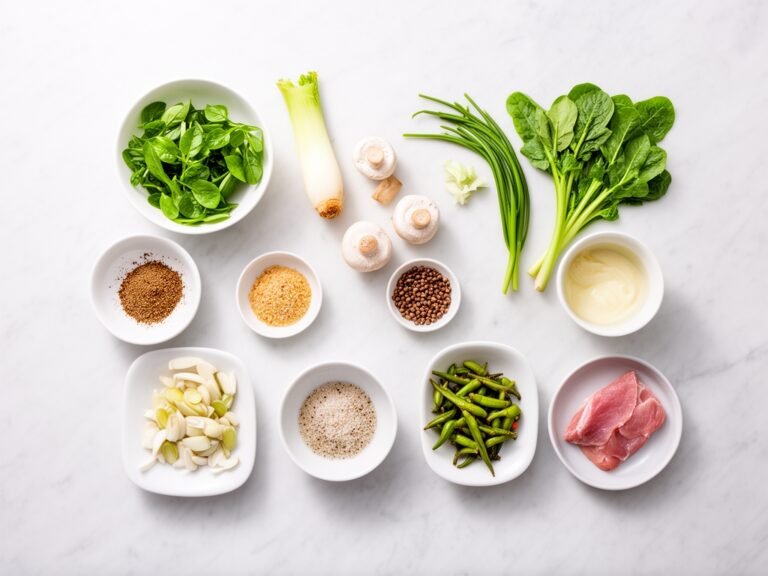
Creating exceptional chicken soup recipes starts with selecting the finest ingredients available. The foundation of any great chicken soup recipe depends on quality components that work in harmony to develop deep, satisfying flavors. When shopping for ingredients to make chicken soup recipes, focus on fresh, whole foods rather than processed alternatives. Each ingredient plays a specific role in building the flavor profile and nutritional value that makes these recipes so beloved.
The protein base for chicken soup recipes matters tremendously. Boneless, skinless chicken breasts offer lean protein and quick cooking times, making them ideal for weeknight chicken soup recipes. However, chicken thighs provide richer flavor and more moisture, creating exceptionally tender results in your chicken soup recipes. For the most flavorful chicken soup recipes, consider using a combination of both cuts, or even a whole chicken if you have time for extended simmering. The choice between these options depends on your schedule and flavor preferences when preparing chicken soup recipes.
Vegetables form the aromatic and nutritional backbone of outstanding chicken soup recipes. Carrots provide natural sweetness and vibrant color, while celery adds subtle herbaceous notes that define classic chicken soup recipes. Onions develop sweetness through cooking and create the flavor foundation for chicken soup recipes. Fresh herbs like thyme, parsley, and dill elevate your chicken soup recipes from ordinary to extraordinary. Quality chicken broth matters significantly—homemade broth creates superior results in chicken soup recipes compared to store-bought versions, though low-sodium commercial broth works beautifully when time is limited.
Ingredients:
– 2 pounds boneless, skinless chicken breasts or 1 whole chicken
– 6 cups low-sodium chicken broth
– 4 large carrots, peeled and sliced into bite-sized pieces
– 4 celery stalks, chopped into half-inch pieces
– 1 large yellow onion, diced
– 6 cloves garlic, minced
– 2 bay leaves
– 3 sprigs fresh thyme
– 2 sprigs fresh rosemary
– ¼ cup fresh parsley, roughly chopped
– 2 tablespoons fresh dill, finely chopped
– 1 tablespoon fresh lemon juice
– 1 teaspoon kosher salt
– ½ teaspoon freshly ground black pepper
– 2 tablespoons extra virgin olive oil
– Optional: ½ teaspoon turmeric powder for additional anti-inflammatory benefits
Substitution Notes: For creamy chicken soup recipes, add one cup of half-and-half or whole milk after cooking. Egg noodles or wide pasta can be added during the final cooking stages for heartier chicken soup recipes. Potatoes create natural creaminess as they break down, making them excellent additions to lighter chicken soup recipes. Feel free to swap vegetables based on seasonal availability—mushrooms, fennel, leeks, and cabbage all work wonderfully in chicken soup recipes.
Equipment Needed
Creating perfect chicken soup recipes requires the right kitchen tools and cookware. A large Dutch oven or heavy-bottomed stockpot is essential for making chicken soup recipes, as these vessels distribute heat evenly and prevent scorching during the long simmering process. The size matters—you need adequate room for chicken soup recipes to simmer without boiling over. Quality cookware ensures consistent results every time you prepare chicken soup recipes.
Beyond the primary pot, several other tools enhance your chicken soup recipes experience. A sharp chef’s knife makes quick work of vegetable prep, while a cutting board provides a safe workspace. Two forks are essential for shredding cooked chicken in your chicken soup recipes. A wooden spoon helps stir without damaging your cookware, and a ladle makes serving your finished chicken soup recipes easy and elegant. A fine-mesh strainer helps remove solids if you prefer a clearer broth for your chicken soup recipes. A meat thermometer ensures chicken reaches safe internal temperature in your chicken soup recipes.
Equipment List:
– Large Dutch oven or stockpot (6-8 quart capacity)
– Sharp chef’s knife and cutting board
– Wooden spoon for stirring
– Two forks for shredding chicken
– Ladle for serving
– Fine-mesh strainer
– Meat thermometer
– Measuring cups and spoons
– Tongs for removing chicken
Prep Time & Cook Time
Prep Time: 15-20 minutes
Cook Time: 30-35 minutes
Total Time: 45-55 minutes
Servings: 8-10 servings
Difficulty Level: Easy
Preparation and timing significantly impact your chicken soup recipes success. The initial prep work for chicken soup recipes takes just fifteen to twenty minutes, making this an accessible recipe for busy schedules. Actual cooking time for chicken soup recipes remains relatively short because we’re using boneless chicken breasts that cook quickly. Total time from start to finish for chicken soup recipes rarely exceeds one hour, making this perfect for weeknight dinners. If you’re using a whole chicken for your chicken soup recipes, extend cooking time to forty-five minutes to ensure the meat becomes tender enough to shred easily.
Step-by-Step Instructions for Making Chicken Soup Recipes
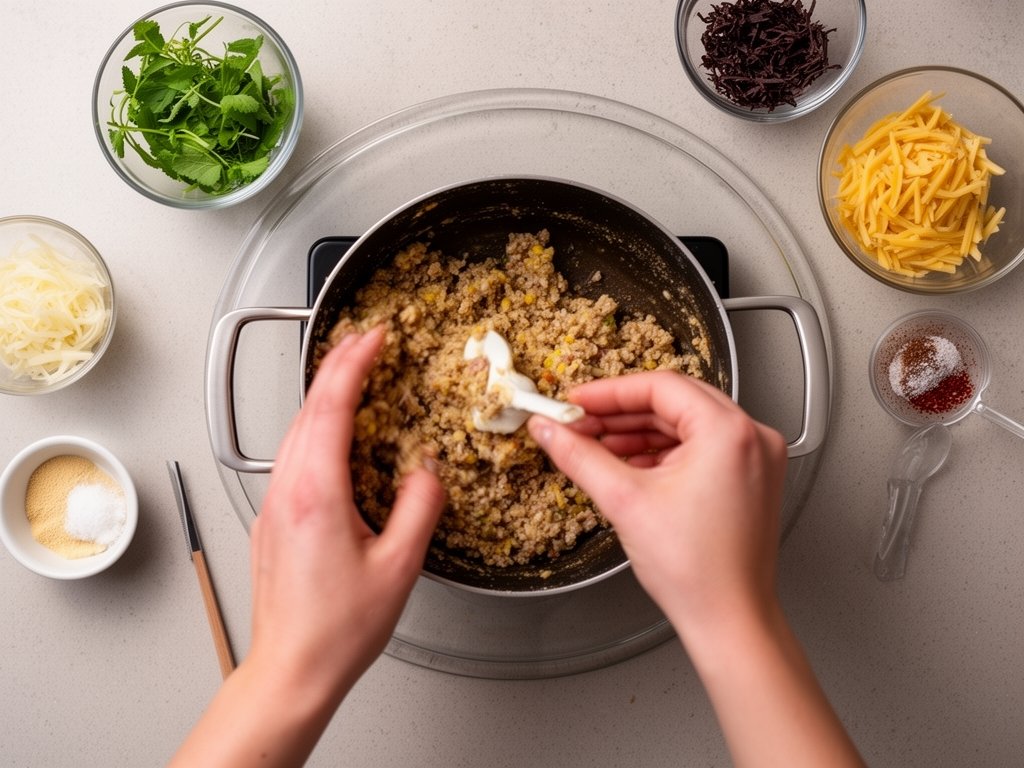
Creating delicious chicken soup recipes requires attention to detail and proper technique throughout the cooking process. These detailed instructions ensure your chicken soup recipes turn out perfectly every single time. Follow each step carefully, and don’t rush the simmering stage—this is where the magic happens in chicken soup recipes. The layering of flavors develops as ingredients gently cook together, creating the complex taste profile that makes these recipes so memorable.
Understanding each step transforms you from following directions to truly mastering chicken soup recipes. Take time to notice how flavors develop and how textures change as your chicken soup recipes cook. This knowledge allows you to adjust seasonings and cooking times based on your preferences, making your chicken soup recipes uniquely yours. The following instructions work beautifully whether you’re making chicken soup recipes for one person or feeding a large family.
Step 1: Prepare Your Vegetables
Begin making your chicken soup recipes by washing and preparing all vegetables. Peel carrots and slice them into bite-sized pieces approximately half an inch thick. Chop celery into similar-sized pieces to ensure even cooking throughout your chicken soup recipes. Dice the onion into small pieces that will soften quickly and distribute flavor evenly. Mince garlic finely so it distributes throughout your chicken soup recipes without overwhelming any single spoonful. Having all vegetables prepared before cooking streamlines the process for your chicken soup recipes and prevents scrambling once heat is applied.
Step 2: Heat Your Cookware
Place your large Dutch oven or stockpot over medium-high heat for your chicken soup recipes. Add two tablespoons of extra virgin olive oil, allowing it to heat for approximately one minute until it shimmers slightly. Proper temperature ensures ingredients cook correctly in your chicken soup recipes. Preheating your cookware prevents sticking and promotes even cooking throughout your chicken soup recipes. Don’t skip this step—it makes a noticeable difference in the final results of your chicken soup recipes.
Step 3: Sauté the Aromatics
Add diced onions to your heated oil and cook for three to four minutes, stirring occasionally, until they become translucent and fragrant in your chicken soup recipes. The onions form the flavor foundation for your chicken soup recipes, so don’t rush this step. Add minced garlic and cook for another minute, stirring constantly to prevent burning. The garlic should become fragrant but not brown, which would create bitterness in your chicken soup recipes. This aromatic base creates the delicious depth that distinguishes exceptional chicken soup recipes from mediocre versions.
Step 4: Add Remaining Vegetables
Stir in your prepared carrots and celery, cooking for approximately three minutes while stirring occasionally. This brief cooking period begins breaking down the vegetable cell walls, allowing them to release their flavors into your chicken soup recipes. The vegetables won’t be fully cooked at this point—they’ll finish cooking during the simmering stage of your chicken soup recipes. This approach ensures vegetables maintain some texture rather than becoming mushy in your chicken soup recipes. The aroma intensifying in your kitchen signals that your chicken soup recipes are developing beautifully.
Step 5: Add Broth and Seasonings
Pour in your six cups of low-sodium chicken broth, stirring gently to combine with the vegetables. Add bay leaves, thyme sprigs, rosemary sprigs, and the optional turmeric powder if you’re making anti-inflammatory chicken soup recipes. Season with one teaspoon of kosher salt and half a teaspoon of freshly ground black pepper. The seasoning can be adjusted later, so err on the side of slightly under-seasoning your chicken soup recipes at this stage. Stir everything together thoroughly to ensure even distribution of seasonings throughout your chicken soup recipes.
Step 6: Bring to a Boil
Increase heat to high and bring your chicken soup recipes to a rolling boil. Watch carefully—this typically takes five to seven minutes depending on your stove and pot size. Once boiling, you’ll notice small foam rising to the surface of your chicken soup recipes. This foam consists of impurities and proteins that rise during heating. Some cooks prefer skimming this foam for clearer broth in their chicken soup recipes, while others leave it for additional nutrients. Either approach works beautifully for chicken soup recipes.
Step 7: Add Chicken
Carefully place your chicken breasts into the boiling broth for your chicken soup recipes. The chicken should be mostly submerged, though it’s okay if small portions peek above the liquid. The broth will cool slightly when cold chicken enters, which is normal in chicken soup recipes. Stir gently to ensure the chicken doesn’t stick to the bottom of your pot, which could happen in some chicken soup recipes if not monitored. The chicken begins cooking immediately upon contact with the hot broth.
Step 8: Reduce Heat and Simmer
Once the broth returns to a gentle boil, reduce heat to low and partially cover your pot. The chicken in your chicken soup recipes should simmer gently—not vigorously boil—for fifteen to twenty minutes depending on thickness. Gentle simmering keeps your chicken soup recipes tender and prevents the chicken from becoming tough and stringy. Check the chicken after fifteen minutes by inserting a meat thermometer into the thickest part—it should read 165°F for fully cooked chicken in your chicken soup recipes. Don’t skip this check, as undercooked chicken in your chicken soup recipes poses food safety risks.
Step 9: Remove and Shred Chicken
Using tongs, carefully remove the cooked chicken from your chicken soup recipes and transfer it to a cutting board. Allow it to cool for two to three minutes until you can handle it comfortably. Using two forks, gently shred the chicken into bite-sized pieces for your chicken soup recipes. Pull the forks in opposite directions, allowing the natural grain of the meat to separate into tender strands. Properly shredded chicken distributes evenly throughout your chicken soup recipes, creating consistent texture in every spoonful.
Step 10: Return Chicken to Pot
Add the shredded chicken back into your simmering broth for your chicken soup recipes. Stir gently to distribute the chicken evenly throughout. The chicken is already fully cooked, so this step simply reintroduces it to the flavorful broth where it will absorb additional taste. Let everything simmer together for another five minutes to allow flavors to meld in your chicken soup recipes. This brief additional cooking time creates more cohesive, integrated flavors in your chicken soup recipes.
Step 11: Add Fresh Herbs
Remove your pot from heat and stir in the fresh parsley and dill for your chicken soup recipes. Fresh herbs lose delicate flavors when exposed to prolonged heat, so adding them at the end preserves their bright, fresh taste in your chicken soup recipes. The residual heat will gently warm the herbs without cooking them aggressively. Fresh herbs provide vibrant color and sophisticated flavor notes that elevate your chicken soup recipes from simple to special.
Step 12: Finish with Lemon Juice
Squeeze fresh lemon juice into your chicken soup recipes, starting with one tablespoon and adjusting to taste. Lemon juice brightens all the flavors in your chicken soup recipes without adding calories or sodium. It cuts through the richness of the broth and emphasizes the fresh vegetable flavors in your chicken soup recipes. Taste your chicken soup recipes and adjust salt, pepper, and lemon juice as needed. Professional cooks know that finishing touches transform good chicken soup recipes into exceptional ones.
Step 13: Final Seasoning Check
Taste your chicken soup recipes carefully and make any final adjustments. Add more salt if the flavors taste muted, more pepper if you prefer additional spice, or more lemon if you want brighter flavors in your chicken soup recipes. Remember that flavors intensify as your chicken soup recipes cool, so slightly under-season rather than over-seasoning. A perfectly seasoned batch of chicken soup recipes should taste balanced and satisfying without any single flavor dominating.
Step 14: Remove Bay Leaves and Herb Sprigs
Fish out the bay leaves and herb sprigs from your chicken soup recipes using a slotted spoon or small strainer. These aromatics have released their flavors into your chicken soup recipes and are no longer needed. Removing them creates a cleaner presentation and prevents anyone from accidentally biting into tough herb stems while enjoying your chicken soup recipes. Take a moment to appreciate the beautiful finished product before serving your chicken soup recipes.
Step 15: Serve and Enjoy
Ladle your finished chicken soup recipes into bowls, ensuring each serving contains chicken, vegetables, and plenty of flavorful broth. Serve immediately while your chicken soup recipes are hot and steaming. Optional garnishes like fresh parsley, croutons, or a drizzle of quality olive oil can elevate the presentation of your chicken soup recipes. The aroma and appearance of properly prepared chicken soup recipes make them as appealing to the senses as they are to the palate.
Nutritional Information
Chicken soup recipes deliver impressive nutritional benefits that support overall health and wellness. Each serving of these recipes provides approximately 150-200 calories, making them suitable for various dietary goals and preferences. The protein content in chicken soup recipes typically ranges from fifteen to twenty grams per serving, supporting muscle maintenance and satiety. This macronutrient balance makes chicken soup recipes an excellent choice for those seeking nourishing meals without excessive calories.
The vegetables in chicken soup recipes contribute essential vitamins and minerals that your body needs daily. Carrots provide beta-carotene, which converts to vitamin A and supports eye health and immune function. Celery contains vitamin K, crucial for bone health and blood clotting. Onions and garlic contain compounds with anti-inflammatory and antimicrobial properties that have been valued in traditional medicine for centuries. When you prepare chicken soup recipes, you’re not just creating something delicious—you’re building a nutritional powerhouse.
The broth in chicken soup recipes offers collagen and gelatin, which support joint health, skin elasticity, and gut integrity. Chicken broth contains amino acids like glycine and proline that your body uses to build connective tissue and support immune function. The extended simmering time in chicken soup recipes extracts these beneficial compounds from bones and connective tissue, creating a nutrient-dense liquid base. This is why traditional chicken soup recipes have been used in cultures worldwide as healing food for centuries.
Estimated Nutritional Values Per Serving:
– Calories: 175
– Protein: 18g
– Carbohydrates: 12g
– Dietary Fiber: 2g
– Fat: 6g
– Saturated Fat: 1g
– Cholesterol: 40mg
– Sodium: 850mg
– Vitamin A: 8,500 IU
– Vitamin C: 8mg
– Iron: 1.5mg
– Calcium: 45mg
These values represent a baseline and may vary depending on specific ingredient choices and portion sizes in your chicken soup recipes.
Serving Suggestions & Variations
Chicken soup recipes shine when paired thoughtfully with complementary sides and variations. Serve your chicken soup recipes with crusty bread for dipping, allowing guests to soak up every drop of flavorful broth. A simple green salad with vinaigrette provides fresh contrast to the warm, comforting nature of chicken soup recipes. Grilled cheese sandwiches pair beautifully with chicken soup recipes, creating a classic comfort food combination that appeals to both children and adults. These serving combinations elevate chicken soup recipes from simple lunch to complete, satisfying meal.
For creamy variations of chicken soup recipes, stir in one cup of heavy cream or half-and-half after removing from heat. This transforms your chicken soup recipes into a luxurious, restaurant-quality dish perfect for special occasions. The cream mellows the herb flavors and adds richness that makes these chicken soup recipes feel indulgent. Add the cream slowly while stirring constantly to prevent curdling in your chicken soup recipes. Creamy chicken soup recipes work wonderfully for dinner parties or when you want something extra special.
Hearty chicken soup recipes benefit from the addition of egg noodles, rice, or potatoes. Add uncooked egg noodles during the final ten minutes of cooking, allowing them to soften while absorbing broth flavor. For potato variations, dice potatoes into small pieces and add them with the other vegetables so they cook through completely. These additions transform your chicken soup recipes into more substantial meals that satisfy heartier appetites. The starches in these additions also create natural creaminess as they break down, enriching the broth in your chicken soup recipes.
Seasonal variations keep chicken soup recipes exciting throughout the year. Spring chicken soup recipes might include fresh asparagus, peas, and herbs like tarragon and chervil. Summer versions could feature zucchini, tomatoes, and basil for lighter, brighter chicken soup recipes. Fall chicken soup recipes work beautifully with butternut squash, sage, and thyme for warming spice notes. Winter chicken soup recipes become heartier with root vegetables like parsnips, turnips, and extra herbs for deeper flavors. These seasonal chicken soup recipes ensure you never tire of this beloved dish.
International variations of chicken soup recipes offer exciting flavor explorations. Asian-inspired chicken soup recipes incorporate ginger, soy sauce, and sesame oil for umami depth. Mediterranean chicken soup recipes feature lemon, oregano, and olives for bright, herbaceous notes. Mexican-style chicken soup recipes include cumin, chili powder, and lime for bold, spicy flavors. These variations demonstrate the incredible versatility of chicken soup recipes and how easily they adapt to different culinary traditions. Try multiple variations to discover which chicken soup recipes become your household favorites.
Expert Tips & Tricks for Perfect Chicken Soup Recipes
Creating exceptional chicken soup recipes consistently requires knowledge and technique that separates good results from outstanding ones. Professional cooks understand that small details make tremendous differences in the final product. These expert tips transform your chicken soup recipes from acceptable to absolutely delicious, earning compliments from everyone who tastes them.
Tip 1: Use Quality Broth Foundation
The broth forms the foundation of exceptional chicken soup recipes, so invest in quality. Homemade broth made by simmering bones for eight to twelve hours creates the deepest, most complex flavors in chicken soup recipes. If using store-bought broth for your chicken soup recipes, choose low-sodium varieties so you can control salt levels. Taste the broth before adding it to your chicken soup recipes—if it tastes weak or flat, your finished dish will reflect that quality. Premium broth makes the difference between mediocre and magnificent chicken soup recipes.
Tip 2: Don’t Rush the Aromatics
Taking time to properly sauté onions, garlic, and other aromatics creates the flavor foundation for superior chicken soup recipes. Allow onions to cook until they become golden and sweet, developing complex caramelized notes that enrich your chicken soup recipes. This step takes just a few extra minutes but creates noticeable flavor improvements in your chicken soup recipes. Rushing through this stage results in raw onion flavor that persists throughout your chicken soup recipes, creating less pleasant results.
Tip 3: Simmer Gently, Never Boil
Gentle simmering creates tender chicken and clear broth in your chicken soup recipes, while vigorous boiling toughens meat and clouds the broth. Maintain a bare simmer where occasional bubbles break the surface—this is the ideal cooking method for chicken soup recipes. Gentle heat allows flavors to develop gradually and thoroughly, creating more complex, satisfying taste in your chicken soup recipes. This technique requires patience but rewards you with noticeably superior chicken soup recipes.
Tip 4: Taste and Adjust Throughout
Professional cooks taste their chicken soup recipes multiple times during cooking, adjusting seasonings as flavors develop. This practice prevents over-seasoning and allows you to fine-tune flavors to your preference in chicken soup recipes. Start with less salt than you think you need, tasting and adding gradually until flavors shine in your chicken soup recipes. This approach gives you more control and prevents the need to dilute over-salted chicken soup recipes with additional broth.
Tip 5: Add Fresh Herbs at the End
Delicate fresh herbs lose their bright flavors when exposed to prolonged cooking, so add them at the very end of your chicken soup recipes. This timing preserves the vibrant taste and color that fresh herbs bring to chicken soup recipes. If you prefer more herb flavor, add fresh herbs both during cooking and at the end—the cooked herbs contribute depth while fresh herbs provide brightness in your chicken soup recipes.
Tip 6: Shred Chicken Properly
Using two forks to shred chicken creates uniform pieces that distribute evenly throughout your chicken soup recipes. Pull the forks in opposite directions, following the natural grain of the meat for best results in your chicken soup recipes. Properly shredded chicken creates better texture and mouthfeel in your chicken soup recipes compared to roughly chopped pieces. Take time with this step—it affects how enjoyable your chicken soup recipes are to eat.
Tip 7: Cut Vegetables Uniformly
Cutting vegetables into similarly-sized pieces ensures even cooking throughout your chicken soup recipes. Vegetables of different sizes cook at different rates, resulting in some pieces mushy and others undercooked in your chicken soup recipes. Aim for approximately half-inch pieces for most vegetables in your chicken soup recipes. Uniform sizing creates more professional-looking, better-textured chicken soup recipes.
Tip 8: Make Double Batches
Chicken soup recipes freeze beautifully, making double batches incredibly practical. Prepare twice the quantity and freeze half in portion-sized containers for future meals. This approach makes chicken soup recipes convenient for busy weeks when cooking feels overwhelming. The flavors in chicken soup recipes actually improve slightly as they sit, making frozen batches taste wonderful when reheated. This strategy maximizes your cooking time investment.
Tip 9: Add Acid for Brightness
Finishing chicken soup recipes with lemon juice, lime juice, or vinegar brightens all the flavors without adding calories or sodium. Acid cuts through richness and emphasizes fresh vegetable flavors that might otherwise fade into the background of chicken soup recipes. Start with less acid than you think you need in your chicken soup recipes, tasting and adjusting gradually. Professional cooks understand that acid is the secret weapon that transforms good chicken soup recipes into exceptional ones.
Tip 10: Consider the Season
Adjust your chicken soup recipes based on seasonal ingredient availability and your body’s needs. Lighter, broth-based chicken soup recipes feel refreshing in warmer months, while creamy, hearty versions satisfy during cold weather. Using seasonal produce in your chicken soup recipes ensures ingredients are at peak freshness and flavor. This practice also supports local farmers and keeps your chicken soup recipes economical throughout the year.
Common Mistakes to Avoid
Understanding common pitfalls helps you avoid them when preparing chicken soup recipes. These mistakes often seem small but significantly impact the final quality of your chicken soup recipes. Learning from others’ experiences accelerates your mastery of chicken soup recipes.
Mistake 1: Overcooking the Chicken
Cooking chicken too long results in tough, dry, stringy meat that diminishes your chicken soup recipes. Boneless chicken breasts cook in just fifteen to twenty minutes, so don’t leave them simmering longer than necessary. Use a meat thermometer to verify doneness—165°F internal temperature indicates fully cooked chicken safe for your chicken soup recipes. Overcooked chicken in your chicken soup recipes cannot be salvaged, so monitoring cooking time carefully matters tremendously.
Mistake 2: Using Boiling Heat Throughout
Vigorous boiling throughout cooking clouds the broth and toughens chicken in your chicken soup recipes. Reduce heat to low once boiling and maintain a gentle simmer for the remainder of cooking your chicken soup recipes. This technique creates clearer broth and more tender chicken, significantly improving the quality of your chicken soup recipes. The difference between boiling and simmering is dramatic in the final results of your chicken soup recipes.
Mistake 3: Neglecting to Season Properly
Inadequate seasoning leaves chicken soup recipes tasting flat and disappointing despite quality ingredients. Season gradually throughout cooking, tasting frequently to ensure flavors develop properly in your chicken soup recipes. Remember that salt intensifies as liquid reduces, so slightly under-season early stages of your chicken soup recipes. Finishing with lemon juice and fresh herbs ensures bright, well-balanced flavors in your chicken soup recipes.
Mistake 4: Adding Vegetables Too Early
Adding delicate vegetables like leafy greens or soft herbs too early results in mushy, overcooked pieces in your chicken soup recipes. Add hardy vegetables like carrots and celery at the beginning, then add tender vegetables and fresh herbs near the end of cooking your chicken soup recipes. This timing ensures vegetables maintain appealing texture and vibrant color in your chicken soup recipes. Proper vegetable timing significantly improves the eating experience of your chicken soup recipes.
Mistake 5: Skipping the Aromatics Step
Rushing through or skipping the sautéing of onions and garlic compromises the flavor foundation of your chicken soup recipes. This step takes just a few minutes but creates noticeable improvements in taste and complexity of your chicken soup recipes. Properly caramelized aromatics develop sweetness and depth that cannot be achieved by adding them raw to broth in your chicken soup recipes. Never skip this crucial step when preparing chicken soup recipes.
Mistake 6: Using Low-Quality Ingredients
Subpar ingredients result in subpar chicken soup recipes, regardless of technique. Choose fresh vegetables, quality broth, and good chicken when preparing chicken soup recipes. The ingredient list is short, so each component matters significantly in the final result of your chicken soup recipes. Investing in better ingredients creates noticeably superior chicken soup recipes that justify the slight additional expense.
Mistake 7: Forgetting to Remove Aromatics
Leaving bay leaves and herb sprigs in finished chicken soup recipes creates unpleasant eating experiences when someone bites into tough plant material. Remove these aromatics before serving your chicken soup recipes using a slotted spoon or small strainer. This simple step ensures smooth, enjoyable consumption of your chicken soup recipes and prevents awkward moments at the dinner table.
Mistake 8: Not Adjusting for Altitude or Equipment
Cooking times and techniques vary based on altitude and equipment differences in your chicken soup recipes. High altitudes require longer cooking times for chicken soup recipes due to lower boiling points. Different stoves and pots heat differently, affecting how quickly your chicken soup recipes cook. Pay attention to visual and sensory cues rather than relying solely on timing when preparing chicken soup recipes, adjusting as needed for your specific situation.
Storage & Reheating Instructions
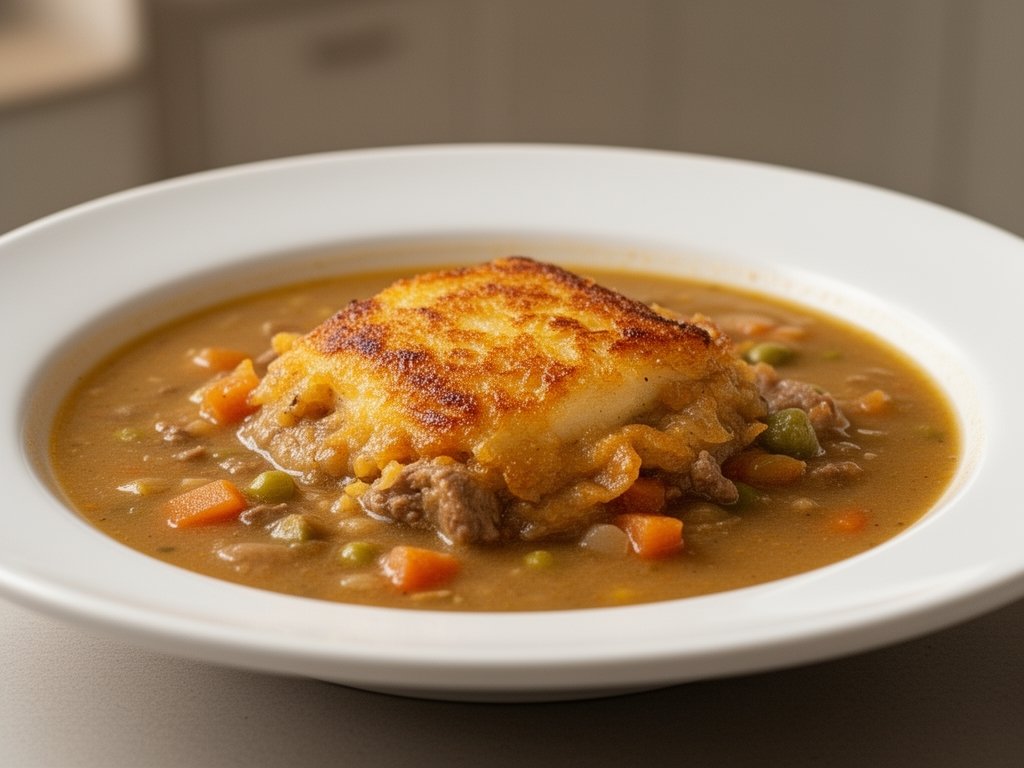
Proper storage ensures your chicken soup recipes remain safe and delicious for future enjoyment. Allow your finished chicken soup recipes to cool to room temperature before refrigerating—placing hot soup directly in the refrigerator can raise internal temperature and compromise food safety. Once cooled, transfer your chicken soup recipes to airtight containers, leaving about an inch of space at the top for expansion. Properly stored chicken soup recipes keep safely in the refrigerator for four to five days. Label containers with the date so you can track how long your chicken soup recipes have been stored.
Freezing extends the life of your chicken soup recipes considerably. Transfer cooled chicken soup recipes to freezer-safe containers, leaving adequate headspace for expansion as liquid freezes. Alternatively, freeze chicken soup recipes in ice cube trays for portion-controlled servings that thaw quickly. Properly frozen chicken soup recipes maintain quality for two to three months, though they remain safe indefinitely at zero degrees Fahrenheit. Thaw frozen chicken soup recipes in the refrigerator overnight before reheating for best results and food safety.
Reheating methods affect the quality of your thawed chicken soup recipes. On the stovetop, transfer your chicken soup recipes to a pot and heat over medium heat, stirring occasionally until steaming throughout. This method allows you to monitor the reheating process and adjust seasoning if needed in your chicken soup recipes. Microwave reheating works for individual portions of chicken soup recipes—heat in a microwave-safe bowl for two to three minutes, stirring halfway through. Slow cooker reheating works beautifully for larger quantities of chicken soup recipes, keeping them warm without overcooking. Regardless of method, never let your chicken soup recipes boil during reheating, as this can toughen the chicken and cloud the broth.
If your refrigerated chicken soup recipes have thickened, thin them with additional broth or water before reheating. This thickening occurs naturally as noodles and vegetables absorb liquid during storage of your chicken soup recipes. The soup hasn’t spoiled—it simply needs additional liquid to return to the desired consistency in your chicken soup recipes. Taste your chicken soup recipes after reheating and adjust seasonings as needed, as flavors may have muted slightly during storage.
Conclusion
Homemade chicken soup recipes represent comfort, nourishment, and care in edible form. These recipes deserve a permanent place in your cooking rotation, offering endless variations to suit any season, occasion, or preference. Whether you’re preparing chicken soup recipes for yourself, your family, or guests, you’re creating something meaningful that nourishes both body and soul.
The beauty of chicken soup recipes lies in their simplicity combined with their capacity to satisfy completely. With just a handful of quality ingredients and basic cooking techniques, you can create restaurant-quality results in your own kitchen. These recipes adapt beautifully to your preferences and available ingredients, making them endlessly customizable while maintaining their essential character.
Start making chicken soup recipes today and discover why this humble dish has remained beloved across cultures and generations. Your kitchen will smell amazing, your family will gather around the table eagerly, and you’ll feel the deep satisfaction that comes from creating something truly nourishing with your own hands. These recipes transform ordinary ingredients into extraordinary comfort, one delicious bowl at a time.
Frequently Asked Questions
Can I make chicken soup recipes with rotisserie chicken?
Absolutely! Rotisserie chicken works wonderfully in chicken soup recipes, saving significant prep time. Use approximately three cups of shredded rotisserie chicken in place of raw chicken breasts. Since rotisserie chicken is already cooked, add it during the final five minutes of cooking your chicken soup recipes, allowing it to warm through and absorb broth flavors. Rotisserie chicken creates convenient, flavorful chicken soup recipes perfect for busy weeknights.
How can I make creamy chicken soup recipes without dairy?
Coconut milk creates delicious creamy chicken soup recipes without dairy products. Substitute one cup of full-fat coconut milk for heavy cream or half-and-half in your chicken soup recipes. The coconut flavor complements the herbs beautifully, creating unique chicken soup recipes with Asian-inspired undertones. Alternatively, blend cooked potatoes or cauliflower with broth to create natural creaminess in dairy-free chicken soup recipes.
Can chicken soup recipes be made in a slow cooker?
Yes! Slow cooker chicken soup recipes work beautifully with some adjustments. Sauté aromatics on the stovetop first, then transfer them along with remaining ingredients to your slow cooker for chicken soup recipes. Cook on low for six to eight hours or high for three to four hours. Add fresh herbs and lemon juice during the final thirty minutes of cooking your slow cooker chicken soup recipes to preserve their bright flavors.
How long do chicken soup recipes last in the freezer?
Properly frozen chicken soup recipes maintain quality for two to three months at zero degrees Fahrenheit. While they remain technically safe indefinitely, texture and flavor gradually decline over time in frozen chicken soup recipes. Thaw frozen chicken soup recipes in the refrigerator overnight before reheating for best results and food safety when preparing your chicken soup recipes.
Can I make chicken soup recipes with bone-in chicken?
Absolutely! Bone-in chicken creates incredibly flavorful chicken soup recipes. Use one whole chicken or chicken pieces with bones for your chicken soup recipes. Extend cooking time to forty-five minutes to one hour, allowing meat to become tender enough to shred easily. The bones contribute collagen and minerals that enhance the nutritional value of your chicken soup recipes.
What’s the best way to reheat frozen chicken soup recipes?
Thaw frozen chicken soup recipes in the refrigerator overnight, then reheat on the stovetop over medium heat, stirring occasionally. This method allows you to monitor the reheating process and adjust seasonings in your chicken soup recipes as needed. Alternatively, reheat directly from frozen in a slow cooker on low for two to three hours, though this takes longer than thawing first for your chicken soup recipes.
Can I add pasta to chicken soup recipes?
Yes! Egg noodles, small pasta shapes, or rice all work beautifully in chicken soup recipes. Add uncooked pasta during the final ten to fifteen minutes of cooking, allowing it to soften while absorbing broth flavor in your chicken soup recipes. Alternatively, cook pasta separately and add it to individual bowls of chicken soup recipes, preventing mushiness that can occur with extended cooking in your chicken soup recipes.
How can I make chicken soup recipes spicier?
Add red pepper flakes, diced jalapeños, or hot sauce to chicken soup recipes for increased heat. Start with small amounts and adjust to taste, as heat intensifies during cooking and storage of your chicken soup recipes. Fresh ginger also adds warming spice notes that complement chicken beautifully in chicken soup recipes. These additions create flavorful variations that appeal to those preferring spicier chicken soup recipes.
Can I make chicken soup recipes ahead of time?
Yes! Chicken soup recipes actually improve as flavors meld and develop over time. Prepare them up to two days in advance, storing in the refrigerator until serving. This makes chicken soup recipes perfect for meal prep and entertaining, as you can focus on other tasks rather than cooking day-of. Reheat gently before serving your make-ahead chicken soup recipes.
What vegetables work best in chicken soup recipes?
Carrots, celery, onions, and garlic form the classic vegetable base for chicken soup recipes. Beyond these, mushrooms, zucchini, spinach, kale, green beans, peas, corn, and tomatoes all work wonderfully in chicken soup recipes. Root vegetables like parsnips, turnips, and sweet potatoes add heartiness to chicken soup recipes. Choose vegetables based on season and preference to create chicken soup recipes perfectly suited to your taste.